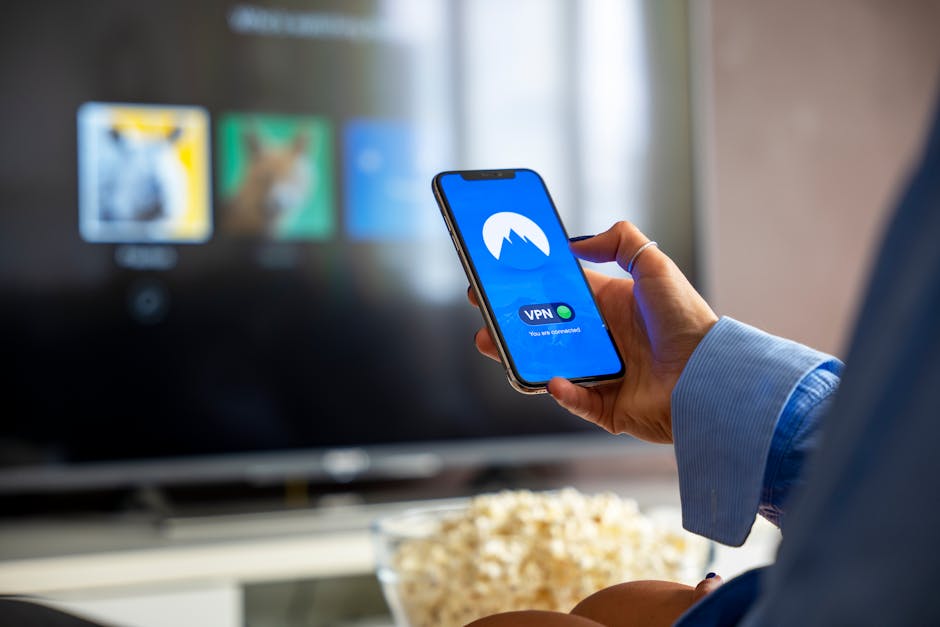
In the vast, interconnected tapestry of the internet, where every click, every search, and every interaction leaves a digital breadcrumb, the promise of "free" often sounds like a sweet symphony to our ears. We’re constantly bombarded with services offering something for nothing, and in the realm of online privacy, the allure of a free Virtual Private Network (VPN) is particularly strong. It whispers promises of anonymity, unrestricted access, and ironclad security, all without asking for a single penny in return. But as anyone with a decade of navigating the murky waters of cybersecurity can tell you, when something seems too good to be true, it almost always is.
For years, I've watched countless individuals, from casual browsers to those with a keen interest in digital freedom, fall into the trap of these seemingly benevolent services. They download an app, click 'connect,' and instantly feel a sense of relief, believing they've erected an impenetrable shield around their online activities. The reality, however, is far more sinister and, frankly, quite shocking. The very tools people rely on for privacy are often the ones actively undermining it, turning users into unwitting commodities in a massive, opaque data market. This isn't just about a slight inconvenience; it's about a fundamental betrayal of trust, a dangerous compromise of personal information, and a direct threat to your digital well-being.
The Siren Song of 'Zero Cost' And Its Hidden Price
Understanding why free VPNs are so problematic begins with a simple question of economics: how do they sustain themselves? Running a VPN service isn't cheap. It requires a vast global infrastructure of servers, robust encryption technology, a dedicated team of engineers for maintenance and development, and bandwidth that costs real money. Premium VPN providers charge a subscription fee to cover these operational expenses, ensuring they can deliver a quality, secure service. Free VPNs, by definition, don't have this revenue stream, which means they must find alternative, often ethically questionable, ways to keep the lights on and, more importantly, turn a profit.
The business model for many free VPNs is a masterclass in obfuscation, built on the principle that if you’re not paying for the product, then *you* are the product. This isn't a cynical take; it's a stark reality backed by numerous investigations and reports from cybersecurity experts and independent researchers. Your browsing habits, your location data, the apps you use, and even the content you access become valuable assets. These assets are then aggregated, analyzed, and sold to the highest bidder – often advertising networks, data brokers, or even less scrupulous entities looking to build comprehensive profiles on individuals. It’s a sophisticated form of surveillance capitalism, where your desire for privacy is leveraged to strip it away, all under the guise of providing a "free" service.
Consider the sheer volume of data flowing through these networks. Every single website visit, every search query, every email sent, every video streamed – it all passes through the free VPN's servers. If those servers are compromised, or if the provider itself is actively logging and selling this information, then your entire online life is exposed. It’s a chilling thought, especially when you realize that many users turn to VPNs precisely because they want to escape such pervasive tracking from their ISPs or other tech giants. The irony is bitter: you're swapping one potential surveillant for another, often far more opaque and less accountable one, all for the illusion of saving a few dollars a month.
The Illusion of Anonymity A Dangerous Deception
One of the primary reasons people seek out a VPN is the desire for anonymity. They want to browse the web without leaving a traceable IP address, to explore content without fear of their activities being linked back to them. Free VPNs often promise this very thing, yet consistently fail to deliver, sometimes even making users *less* anonymous than if they hadn't used a VPN at all. This isn't just about poor performance; it's about fundamental design flaws and intentional vulnerabilities that expose your true identity and location to the world.
"Many free VPN services are not just ineffective at protecting privacy; they are actively detrimental. They often lack proper encryption, suffer from DNS and IP leaks, and engage in data logging and selling, turning the user into the very product they claim to protect." - Cybersecurity Research Analyst, 2022 Report on VPN Vulnerabilities.
The most common and alarming issue is the prevalence of IP and DNS leaks. A VPN is supposed to tunnel all your internet traffic through an encrypted server, masking your real IP address and routing your DNS requests securely. However, many free VPNs have leaky implementations that inadvertently expose your real IP address to websites you visit, or route your DNS requests through your ISP's servers instead of their own secure ones. This means that despite seeing a VPN icon in your taskbar, your online activities are still traceable back to you. It's like putting on a disguise but leaving your driver's license prominently displayed on your forehead. The entire premise of anonymity is shattered, leaving you with a false sense of security that could have serious repercussions depending on your online activities.
Furthermore, the very act of using a free VPN often means granting extensive permissions to the application on your device. These permissions can range from accessing your network connections to reading your device's unique identifiers, even going as far as accessing your contacts or photo gallery in some egregious cases. While some permissions are necessary for a VPN to function, many free services demand far more than they reasonably need. This overreach allows them to collect even more personal data directly from your device, bypassing network traffic analysis and further enriching their profiles on you. It's a stark reminder that convenience often comes at the cost of control over your own digital footprint, and in the case of free VPNs, that cost is almost always your privacy.
Beyond Privacy Compromises The Malware Menace
The dangers of free VPNs extend far beyond mere data collection and privacy breaches; they often venture into the realm of outright malware and adware infection. This is perhaps one of the most insidious threats, as users download these applications believing they are enhancing their security, only to inadvertently invite malicious software directly onto their devices. It’s a Trojan horse scenario, where the appealing shell of a "free privacy tool" conceals a payload designed to exploit, disrupt, or even hijack your system for nefarious purposes.
Numerous studies have highlighted this disturbing trend. For instance, a 2016 study by CSIRO found that 38% of free Android VPN apps contained malware, while others injected malicious code or tracked user activities. More recent analyses continue to show a significant portion of free VPNs engaging in similar practices. This isn't just about annoying pop-up ads; it can involve spyware that monitors your keystrokes, ransomware that locks your files, or even botnet software that turns your device into a zombie in a larger network attack. Imagine downloading an app to protect yourself from hackers, only to find out that the app itself is the hacker. This is the reality for millions who unknowingly install compromised free VPNs.
The mechanism behind this is often integrated directly into the application itself or delivered through bundled software. When you install a free VPN, you might also be installing silently bundled adware that constantly bombards you with intrusive advertisements, or spyware that collects sensitive information like banking details or login credentials. These malicious components often run in the background, consuming system resources, slowing down your device, and draining your battery, all while silently siphoning off your data. The worst part is that these infections can be incredibly difficult to detect and remove, leaving your device vulnerable long after you’ve uninstalled the offending VPN app, perpetuating the risk and compromising your digital life for months or even years.
Performance Pitfalls A Frustrating User Experience
Even if you were to somehow overlook the profound privacy and security risks, the user experience offered by most free VPNs is often abysmal, making them practically useless for any meaningful online activity. The promise of bypassing geo-restrictions, streaming content, or simply browsing without slowdowns quickly crumbles under the weight of overcrowded servers, limited bandwidth, and intentional throttling. It’s a frustrating cycle of buffering, disconnections, and agonizingly slow page loads that quickly reminds you why "free" rarely equates to "quality" in the digital world.
The economic reality dictates that free VPN providers cannot afford to invest in the extensive server infrastructure and high-speed connections that premium services offer. Instead, they typically run a very limited number of servers, which quickly become oversaturated with a massive user base. This congestion inevitably leads to severe speed reductions, making tasks like streaming high-definition video virtually impossible. You’ll find yourself staring at a buffering circle more often than enjoying your content, defeating the entire purpose of using a VPN for entertainment. Even simple browsing can become a chore, with websites taking ages to load, turning what should be a seamless experience into a test of patience.
Furthermore, many free VPNs impose strict data caps, limiting the amount of traffic you can use per day or month. While a few hundred megabytes might suffice for checking emails, it’s woefully inadequate for streaming, downloading, or even extended browsing sessions. Once you hit that cap, your connection either slows to a crawl, or you’re completely cut off, forcing you to wait for the next billing cycle or, more realistically, to abandon the service altogether. This intentional limitation serves a dual purpose: it manages their limited resources and, crucially, acts as a persistent nudge to upgrade to a paid version, which is often still inferior to dedicated premium services. The constant frustration, coupled with the underlying security risks, makes the "free" option not just dangerous, but ultimately utterly impractical for anyone serious about their online experience.