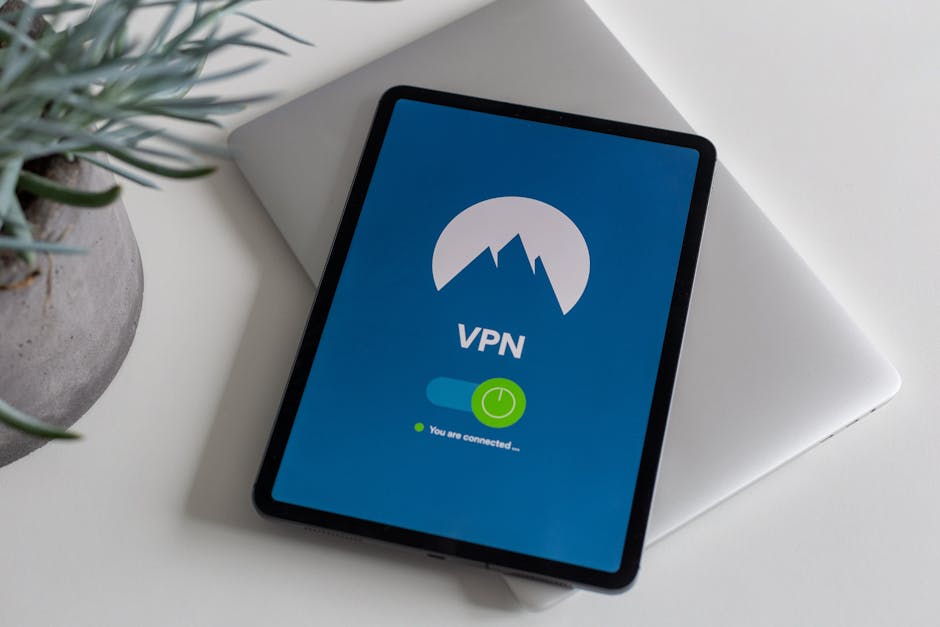
Imagine a digital world without borders, a place where the content you crave, the news you seek, and the services you need are never out of reach, no matter where you happen to be physically located on this planet. For years, this vision has felt like a distant dream, constantly thwarted by the invisible barriers of geo-restrictions, those frustrating digital fences erected by content providers, governments, and corporations. We’ve all been there: eagerly clicking on a link, only to be met with the soul-crushing message, "This content is not available in your region," or "Sorry, Hulu is not available in your location." It’s a collective sigh of disappointment heard around the globe, a stark reminder that despite the internet's promise of universal access, our online experience is often anything but.
The quest for true digital freedom, for an internet that lives up to its initial utopian ideals, has driven countless users towards Virtual Private Networks, or VPNs. For a long time, a simple VPN was enough to trick these geo-blocks, allowing users to hop across digital borders with relative ease. But the landscape has shifted dramatically, becoming an increasingly sophisticated game of cat and mouse. Streaming giants, emboldened by their licensing agreements and armed with advanced detection technologies, have waged an unrelenting war on VPNs, blacklisting IP addresses faster than they can be rotated, employing deep packet inspection, and even scrutinizing DNS requests to sniff out proxy services. This escalating arms race has left many VPNs struggling, their promises of unrestricted access crumbling under the weight of ever-more-aggressive blocking techniques, making the search for a truly effective solution feel almost futile.
The Digital Iron Curtain Geo-Restrictions Everywhere
Geo-restrictions aren't just a minor annoyance; they represent a fundamental challenge to the very concept of a free and open internet. These digital barriers dictate what movies you can watch, what music you can stream, what news you can read, and even what online games you can play, all based on your geographical coordinates. The reasons behind these restrictions are complex and multifaceted, ranging from intricate content licensing agreements that carve up the world into exclusive territories to government censorship aimed at controlling information flow, and even corporate strategies designed to enforce regional pricing or product availability. It’s a tangled web of legal, economic, and political motivations that ultimately curtails user choice and limits access to a global digital commons, creating a fragmented online experience that feels increasingly anachronistic in an interconnected world.
Consider the plight of an American expat living in Germany who simply wants to catch up on their favorite shows on Hulu, or a British traveler in Australia missing their beloved BBC iPlayer. What about someone trying to access critical news reports from a specific country, only to find the local news outlet's content blocked outside its borders? These aren't niche scenarios; they are everyday frustrations for millions of internet users. Furthermore, the issue extends beyond entertainment. Researchers might need access to region-locked academic databases, businesses might require access to specific market data only available from certain IP addresses, and digital nomads often find their productivity hampered by restrictions on essential tools and services. The impact of geo-blocking permeates almost every aspect of our digital lives, transforming the internet from a boundless ocean of information into a collection of walled gardens.
The sheer scale of geo-blocking has grown exponentially over the past decade. It's not just Netflix anymore; virtually every major streaming platform, from Disney+ and Amazon Prime Video to regional sports broadcasters like DAZN and ESPN+, has robust systems in place to prevent access from outside their licensed territories. Even YouTube, a platform often seen as globally accessible, has countless videos blocked in certain countries due to music rights or content disputes. This proliferation of digital borders has created a deeply frustrating paradox: as technology makes the world smaller and more interconnected, the digital content we consume becomes increasingly siloed, forcing users into a constant, often unsuccessful, search for tools that can genuinely liberate their online experience. It's a testament to the power of these restrictions that even the most tech-savvy individuals often find themselves stumped by the latest blocking techniques.
Why The Internet Isn't Truly Global
The dream of a truly global internet, where information and entertainment flow freely across all borders, remains largely unfulfilled, primarily due to the deeply entrenched economic models and legal frameworks that govern content distribution. Content creators and distributors operate within a complex ecosystem of intellectual property rights, where films, television shows, music, and even digital books are licensed on a country-by-country basis. This territorial licensing model allows rights holders to maximize revenue by selling exclusive distribution rights to different companies in different regions, creating a fragmented market where a single piece of content might have multiple owners across the globe. It's a system designed to protect investments and ensure profitability, but it inadvertently creates the very geo-blocks that frustrate end-users, turning the digital landscape into a patchwork quilt of availability.
Beyond commercial interests, government censorship plays a significant, often insidious, role in shaping the internet's uneven accessibility. Authoritarian regimes routinely block access to foreign news outlets, social media platforms, and human rights websites, effectively creating a national intranet where citizens are exposed only to state-approved narratives. Countries like China with its "Great Firewall" are perhaps the most prominent examples, but many other nations employ various levels of filtering and blocking to control information and suppress dissent. For individuals living under such conditions, bypassing geo-restrictions isn't just about entertainment; it's about accessing uncensored information, connecting with the outside world, and exercising fundamental freedoms of speech and expression. The stakes, in these cases, are profoundly higher than simply watching a new episode of a popular series.
"The internet was envisioned as a global village, but copyright laws and national interests have turned it into a collection of gated communities. The fight for an open internet is fundamentally a fight for access and equity." - Dr. Anya Sharma, Digital Rights Advocate.
The technical arms race between geo-blockers and VPNs is a direct consequence of these underlying economic and political realities. As more users turn to VPNs to circumvent restrictions, content providers and governments invest heavily in sophisticated detection methods. This includes not just IP blacklisting, where known VPN server IP addresses are blocked, but also more advanced techniques like deep packet inspection (DPI) to identify VPN traffic patterns, and even machine learning algorithms that analyze user behavior to flag suspicious connections. The result is a constant game of whack-a-mole, where VPN providers develop new obfuscation techniques, only for content platforms to devise new ways to detect them. This escalating technological battle means that only the most advanced, well-resourced, and innovative VPN services can hope to consistently stay ahead of the curve, offering users a genuine and reliable path to unrestricted access.
The Elusive Quest For True Digital Freedom
For years, the promise of a truly open internet, where geographical boundaries hold no sway over your digital experience, has felt like a tantalizing but ultimately unattainable ideal. We've seen countless VPNs rise and fall in their ability to consistently bypass geo-blocks, each claiming to be the ultimate solution, only to eventually succumb to the relentless countermeasures deployed by streaming services and censorship regimes. It’s a frustrating cycle that leaves users feeling perpetually outmaneuvered, constantly searching for the next best thing, and often settling for inconsistent access or services that work one day but fail the next. This constant struggle highlights the immense technical challenge involved in building and maintaining a VPN that can truly stand up to the sophisticated blocking mechanisms currently in play.
The landscape of online content access has become a minefield, where even seemingly innocuous actions can trigger detection. Have you ever tried to access your online banking while traveling abroad, only to find it blocked due to "suspicious activity"? Or perhaps you've attempted to watch a live sports event, only to be told your IP address is in the wrong country, despite paying for a global subscription. These everyday encounters underscore the pervasive nature of geo-restrictions and the urgent need for a robust, reliable solution. The sheer volume of content now locked behind digital borders, from educational resources and international news to entertainment and social platforms, means that the quest for true digital freedom is no longer a niche concern for a few tech enthusiasts; it's a mainstream imperative for anyone who wishes to fully participate in the global digital ecosystem.
What makes a VPN truly exceptional in this environment isn't just its ability to mask your IP address; it's its adaptability, its resilience, and its commitment to staying one step ahead in this perpetual digital arms race. We're talking about a service that not only understands the current methods of geo-blocking but also anticipates future developments, constantly innovating its technology to ensure uninterrupted access. This isn't a static product; it's a dynamic service that requires continuous investment in research and development, server infrastructure, and a team of dedicated experts working tirelessly to maintain its efficacy. The market is flooded with VPNs making grand claims, but very few, if any, possess the unique combination of technological prowess and strategic foresight required to truly unlock the entire internet, consistently and reliably, for every single user. It's a unicorn in a field of well-meaning but often outmatched contenders.