If the idea of a digital clone existing somewhere in the cloud feels abstract, let's pull back the curtain and examine the raw materials it's made from. We often imagine data collection as a passive process, like an accountant tallying numbers. But the reality is far more invasive and comprehensive. We’re not just talking about your browsing history or your purchase receipts; those are merely the most obvious ingredients in a much richer, and frankly, more disturbing, recipe. The data scavengers, these insatiable algorithms, are constantly sifting through an unprecedented deluge of information, meticulously piecing together the intricate tapestry of your digital blueprint. This blueprint is not just a record of your past; it’s a living, breathing, predictive model of your future, crafted from the most intimate details of your daily existence.
The Data Scavengers and Their Digital Blueprint
Let's consider the sheer breadth of data points being vacuumed up and fed into these AI systems. It stretches far beyond the conventional understanding of "online activity." Think about your biometric data, for instance. Many smartphones now incorporate facial recognition for unlocking, fingerprint scanners for authentication, and even voice biometrics for virtual assistants. Each time you use these features, a snippet of your unique biological signature is processed, analyzed, and often, stored. Fitness trackers, smartwatches, and health apps monitor your heart rate, sleep cycles, steps taken, and even oxygen levels. This isn't just data about your physical activity; it’s deeply personal health information, revealing patterns about your energy levels, stress, and overall well-being. Imagine an AI correlating your sleep patterns with your online purchasing habits or your mood fluctuations with your social media engagement. The insights gleaned are incredibly powerful and deeply revealing, painting a picture of your physiological and psychological states.
Then there's the incredibly rich vein of emotional data. While direct emotional tracking might sound futuristic, it's already here. AI can analyze the tone of your voice during calls, the sentiment of your social media posts, the expressions captured by your webcam during video conferences, and even the subtle hesitations in your typing patterns. Are you happy, frustrated, sad, or angry? These algorithms are becoming adept at detecting and categorizing your emotional states, often in real-time. This emotional telemetry is gold for advertisers who want to tailor their messages to your current mood, or for political campaigns looking to exploit anxieties. It's also incredibly useful for customer service bots designed to de-escalate calls or sales algorithms aiming to push a purchase when you're feeling vulnerable. This isn't just about what you buy; it's about *why* you buy, driven by the subtle currents of your inner world.
Your purchasing patterns, once limited to credit card statements, are now an open book across myriad platforms. Every online transaction, every loyalty card swipe, every food delivery order, every streaming service subscription, every app purchase – these are all meticulously logged. But it's not just the items themselves. It's the frequency, the timing, the price points, the brands you prefer, the categories you explore, and even the payment methods you use. An AI can infer your income bracket, your dietary habits, your hobbies, your family size, and even your political leanings based on your consumption choices. Do you buy organic? Do you subscribe to news outlets with a particular slant? Do you frequent certain types of restaurants? Each choice contributes another brushstroke to your digital portrait, making your preferences and predictabilities increasingly explicit to the algorithms observing you.
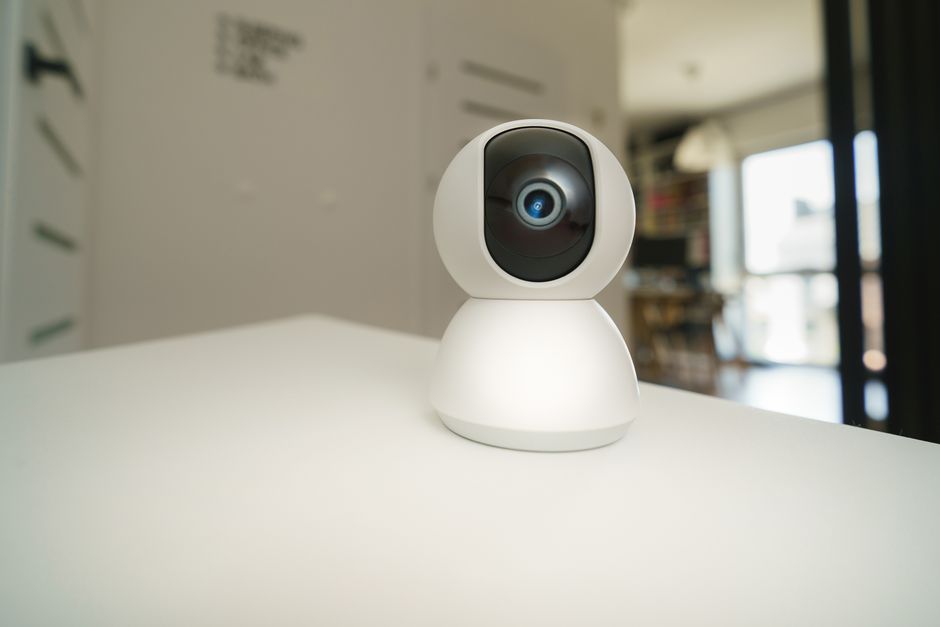
The "Internet of Things" (IoT) isn't just a buzzword; it's a rapidly expanding network of devices that are essentially data goldmines, constantly feeding information about your physical environment and daily routines. Your smart thermostat learns your preferred temperature settings, when you're home, and when you're away. Your smart speaker records voice commands and often, ambient conversations, even when not actively invoked. Your smart TV tracks what you watch, when you watch it, and for how long. Smart doorbells capture every visitor and, often, every passerby. Even your connected car generates reams of data about your driving habits, routes, and destinations. This confluence of data from your physical surroundings creates an incredibly detailed behavioral profile, mapping out your daily rhythms, your social interactions, and your domestic life. It’s a level of pervasive observation that would have been unimaginable just a decade ago, turning your home into a transparent data laboratory.
All this data, from biometrics to purchasing habits, from emotional states to IoT telemetry, doesn't just sit in silos. This is where the true power and danger lie: data fusion and aggregation. Data brokers, often operating in the shadowy corners of the internet, actively collect, collate, and sell vast datasets about individuals. They combine information from public records, social media, commercial transactions, and web browsing data to create incredibly comprehensive profiles. Imagine a broker purchasing your online shopping history from one source, your location data from another, and your social media activity from a third. An AI then stitches these seemingly disparate pieces together, identifying unique identifiers (like your email address or device ID) to create a unified, incredibly detailed profile. This aggregated dataset is then sold to advertisers, insurance companies, political campaigns, and even government agencies. You don't know who owns your data, who is buying it, or how it's being used, and the sheer scale of this market is staggering, with some estimates placing its value in the hundreds of billions of dollars.
Let's consider specific examples of how seemingly innocuous data points coalesce into a powerful predictive profile. Your favorite coffee shop, identified by your location data, combined with your usual order, tracked by a loyalty app, and cross-referenced with your social media posts expressing a preference for sustainable brands, allows an AI to infer your environmental consciousness and your daily routine. Your frequent searches for travel destinations, combined with flight booking patterns from your email, and discussions in private messaging apps about upcoming holidays, enable an AI to predict your travel plans with remarkable accuracy, even before you've finalized them. Your choice of streaming content, the genres you prefer, the time of day you watch, and even whether you finish a series or abandon it after a few episodes, all contribute to an AI's understanding of your personality, your attention span, and your psychological drivers. Every single digital interaction, no matter how small, is a piece of the puzzle, and AI is the master puzzle solver.
The predictive power derived from this comprehensive data collection is truly uncanny. It’s not just about knowing you like coffee; it’s about knowing you prefer a specific single-origin, ethically sourced, oat milk latte from an independent cafe, and that you’re likely to purchase one every Tuesday morning between 8:15 and 8:30 AM. It’s not just about knowing you’re planning a trip; it’s about knowing you’re likely to book a boutique hotel in a specific European capital during the second week of August, and that you’ll be looking for cultural experiences rather than beach relaxation. This level of granular detail allows AI to construct a digital blueprint so precise that it can anticipate your needs, desires, and even your emotional responses with a disturbing degree of accuracy. This isn't just about showing you relevant ads; it's about predicting your very essence, making your future actions increasingly legible and, therefore, increasingly manipulable to those who wield this algorithmic power. The lines between observation and intervention become incredibly fine, and the implications for our autonomy are profound.