The relentless march of technology has transformed our physical spaces into data collection points, and nowhere is this more evident than in the very places we go to shop, dine, or simply exist. The modern retail environment, once a bastion of tactile experience and human interaction, has become a sophisticated laboratory for behavioral analysis. It’s a place where every step, every glance, and every interaction can be logged, measured, and monetized. This isn’t about a lone security camera deterrent; it’s about a pervasive, multi-layered system designed to understand and influence your purchasing decisions, often without you even realizing you’re part of the experiment. The sheer scale of this surveillance, from the moment you cross the threshold of a store to the instant you leave, is truly astonishing, blurring the lines between customer service and invasive monitoring.
The Panopticon of the Retail Aisles
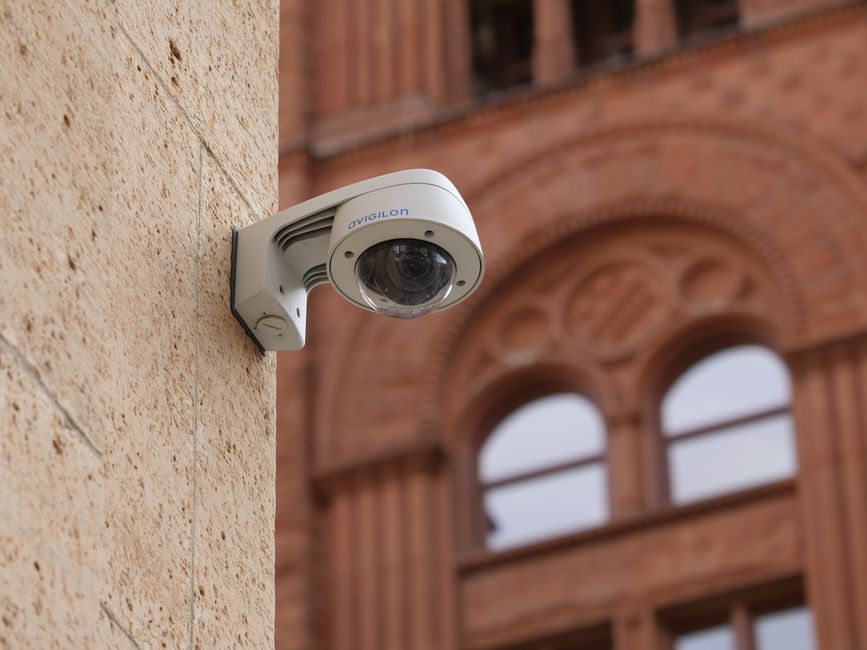
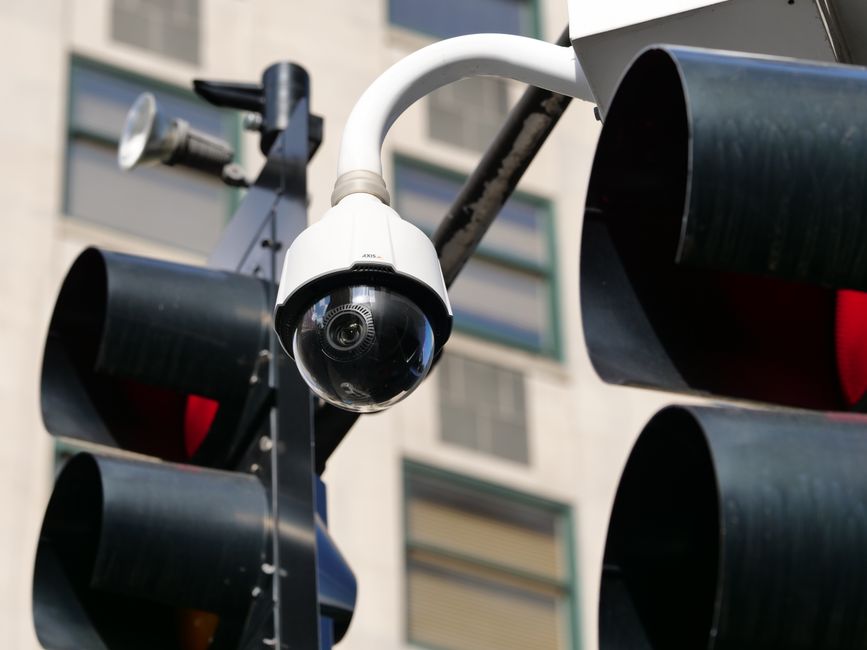
Step into almost any modern retail store, and you're immediately under a form of surveillance that goes far beyond traditional CCTV. While security cameras have been a fixture for decades, their capabilities have evolved dramatically. Today, many surveillance systems in retail environments are equipped with advanced computer vision and artificial intelligence, transforming passive recording into active data collection. These cameras can do more than just record a shoplifter; they can track your path through the store, measure how long you spend in front of a particular display, identify your age and gender (often with debatable accuracy), and even analyze your emotional state based on facial expressions. Companies like Affectiva and NEC have developed technologies capable of such analysis, promising retailers unprecedented insights into consumer behavior. Imagine a system that can tell a store manager that customers are consistently confused by a certain product display, or that a new marketing campaign is generating positive emotional responses. This kind of data allows for hyper-optimization of store layouts, product placements, and even staffing levels, all geared towards maximizing sales. It’s a silent, constant observation that treats every shopper as a data point, every visit as a research opportunity.
Beyond facial recognition and demographic analysis, retailers are employing a host of other sensors to map your physical journey. Heat mapping technologies, for instance, use infrared sensors to detect body heat, creating visual representations of customer density and movement patterns within a store. This allows managers to identify "hot spots" where customers congregate and "cold spots" where merchandise might be overlooked. Coupled with Wi-Fi and Bluetooth tracking, this creates an incredibly detailed picture of foot traffic, dwell times, and conversion rates. Some stores even experiment with gaze tracking, using discreet cameras to determine where customers are looking on shelves or at advertisements. The goal is to understand what captures attention, what drives interest, and ultimately, what prompts a purchase. This level of granular insight allows for a highly personalized, albeit often unsettling, shopping experience. The convenience of a perfectly laid out store comes at the cost of relinquishing your anonymity, as your every movement and glance are recorded and analyzed to refine the commercial machine.
Your Smart Home, Their Data Mine
The surveillance doesn't stop when you return to the supposed sanctuary of your home. The proliferation of smart home devices, promising convenience and connectivity, has inadvertently turned our private spaces into rich data collection environments. Your smart TV, far from being a simple display, often comes equipped with microphones and cameras, capable of listening to your conversations and observing your living room. Voice assistants like Amazon Alexa, Google Assistant, and Apple Siri are designed to be always listening for their wake words, but the extent of the data they collect and how it's used often extends beyond those explicit commands. Remember the controversies where smart speaker recordings were reviewed by human contractors? These devices, while incredibly useful for setting timers or playing music, are also powerful data vacuums, collecting audio snippets, preferences, and even background noise, all of which can be analyzed to build a profile of your household. The convenience factor often overshadows the privacy implications, leading many to unknowingly invite sophisticated surveillance technology directly into their most intimate spaces.
And it's not just voice assistants. Smart refrigerators can track your grocery habits, compiling lists of what you buy and when. Smart doorbells with integrated cameras record every visitor, every delivery, and every passerby, often uploading this footage to cloud servers. Smart thermostats learn your routines and preferences, while smart lightbulbs can track your presence in a room. Each of these devices, individually, might seem innocuous, but when aggregated, they paint an incredibly detailed picture of your daily life within your home: when you wake up, when you leave, when you return, who visits, what you watch, what you eat, and even the ambient sounds of your household. The data collected by these IoT (Internet of Things) devices is often shared with third-party partners, analyzed for marketing purposes, or even accessed by law enforcement with a warrant. This interconnected web of sensors within our homes transforms our personal sanctuaries into nodes in a vast data network, where convenience is often a Trojan horse for pervasive, always-on monitoring. It’s a stark reminder that in the age of IoT, privacy must be actively designed for, not simply assumed.
"The promise of convenience often comes with an unspoken cost: the forfeiture of privacy. Every smart device we invite into our homes becomes another potential ear or eye for data hungry corporations." - Maria Sanchez, Privacy Advocate and Tech Journalist.
The Unseen Data Brokers and Your Offline Persona
While individual companies track you in specific contexts – a store, your home, your commute – the true architects of your comprehensive offline profile are the data brokers. These shadowy entities operate largely behind the scenes, buying, selling, and aggregating vast quantities of personal information from a myriad of sources. They are the ultimate stitchers of your digital and physical selves, taking disparate data points – your loyalty card purchases, your public records, your magazine subscriptions, your online browsing history, your app usage, and even your offline location data – and weaving them into incredibly detailed dossiers. These dossiers contain everything from your estimated income and political leanings to your health conditions, hobbies, and even your likelihood to respond to certain types of advertising. Companies like Acxiom, Experian, and LexisNexis Risk Solutions are just a few of the giants in this multi-billion dollar industry, operating with little public scrutiny or regulatory oversight.
The data brokers' business model thrives on connecting the dots. They might purchase your credit card transaction history from a payment processor, link it to your name and address obtained from public records, and then cross-reference that with your online browsing habits purchased from ad tech companies. The result is a granular understanding of who you are, what you want, and how you behave, both online and off. This information is then sold to marketers, political campaigns, insurance companies, and even government agencies. For example, an insurance company might use data broker information to assess your risk profile based on your purchasing habits (e.g., do you buy a lot of unhealthy food? Do you frequent high-risk areas?). Political campaigns can micro-target voters based on their offline activities and inferred beliefs. The frightening aspect is that this entire ecosystem operates without your direct consent, and often, without your knowledge. You don't sign up for a data broker's service; they simply collect data *about* you, creating a digital ghost that haunts your every move and defines your perceived identity in the eyes of countless corporations. It's a system designed to be opaque, making it incredibly difficult for individuals to understand what data is held about them, let alone correct inaccuracies or opt out.
The Transactional Footprint You Can't Erase
Every time you swipe a credit card, use a debit card, or even tap your phone for a payment, you're leaving a detailed transactional footprint. These digital breadcrumbs are a goldmine for companies seeking to understand consumer behavior. Payment processors and banks collect vast amounts of data on your purchases: where you shop, what you buy, how much you spend, and how frequently you make these transactions. While this data is ostensibly used for fraud prevention and financial services, it's also a primary source for data brokers and marketing analytics firms. Imagine the insights gleaned from knowing you regularly buy organic produce at a specific health food store, or that you frequently dine at high-end restaurants, or that you consistently purchase specific brands of clothing. This information, when aggregated and analyzed, provides an incredibly accurate picture of your lifestyle, your income bracket, and your consumer preferences. This data can then be used to target you with highly specific advertisements, tailor product recommendations, or even influence the types of offers you receive from various businesses. It's a subtle yet powerful form of surveillance, where your financial transactions become a window into your personal life.
Loyalty programs, while offering tempting discounts and rewards, are another primary conduit for collecting this transactional data. That supermarket loyalty card, the coffee shop app, or the airline miles program – each represents an agreement to trade your purchasing data for perceived savings or benefits. When you scan that card or app, your entire basket of goods, the time of your visit, and your spending habits are meticulously logged and linked to your unique profile. This data allows retailers to understand your shopping patterns, predict your future purchases, and create highly personalized promotions. They can identify your preferred brands, your dietary habits, and even life events (like purchasing baby products, indicating a new parent). While the immediate benefit of a discount might seem appealing, the long-term cost is a complete surrender of your shopping anonymity. This data is often then shared with or sold to third-party marketing firms and data brokers, further enriching your comprehensive profile. The trade-off is rarely explicitly laid out, leaving consumers unaware of the true value of the data they are relinquishing for a few cents off their groceries. It’s a classic example of "if you’re not paying for the product, you are the product," extended into the physical realm of commerce.