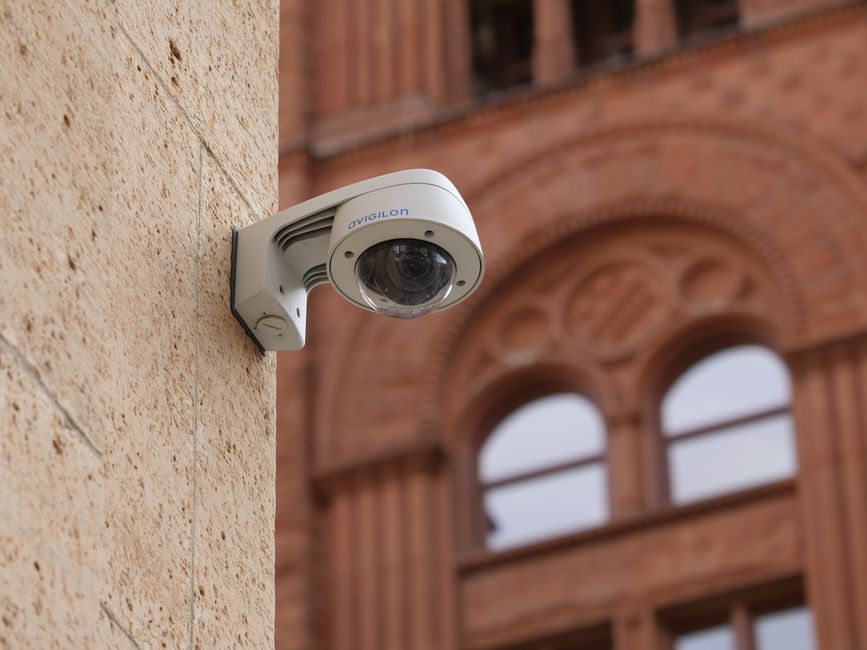
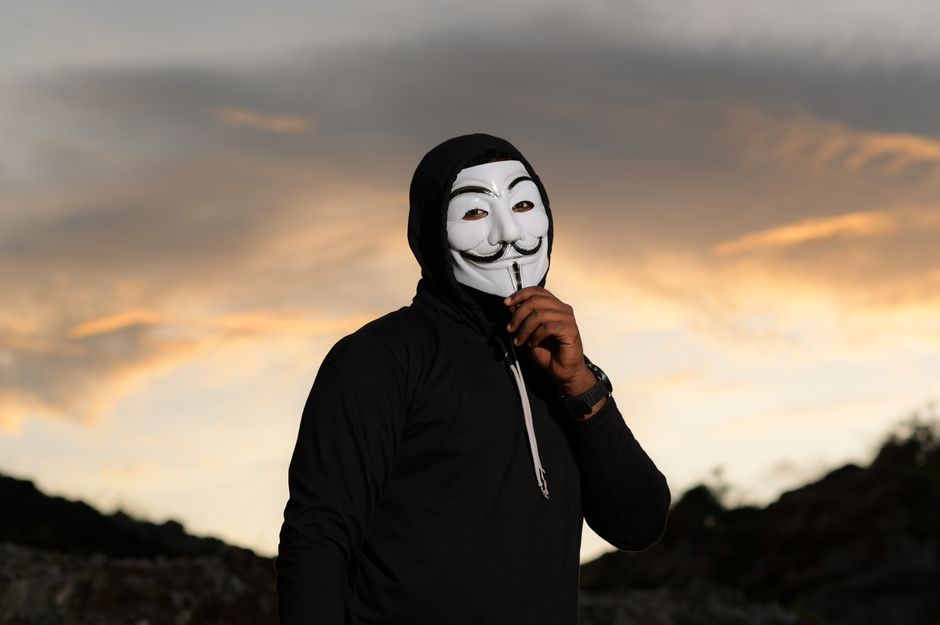
The unsettling hum of the internet, once a symphony of connection and information, has morphed for many into a subtle, persistent drone – the sound of being watched. We live in an age where our digital footprints aren't just tracks in the sand; they're meticulously mapped, analyzed, and often monetized by a sprawling network of corporations and government agencies. From the ads that eerily predict our next purchase to the increasingly sophisticated data retention laws pushed by various nations, the notion of true online privacy often feels like a quaint relic from a bygone era. It's a sobering reality that the very tools designed to connect us have become instruments of unprecedented surveillance, making the hunt for genuine digital anonymity more critical than ever before.
Many, seeking a quick fix for this pervasive feeling of being observed, turn to the siren song of "free" VPNs. The promise is tempting: anonymity, security, and unrestricted access, all without opening your wallet. But here’s a hard truth, one that seasoned cybersecurity experts whisper with a knowing grimace: there's no such thing as a free lunch, especially not in the complex, resource-intensive world of virtual private networks. These so-called saviors often operate on a fundamentally flawed business model, one that frequently involves collecting and selling your very data – the same data you hoped to protect. They might inject ads, track your browsing habits, or even harbor malicious software, turning you into the product rather than the protected user. It’s a classic bait-and-switch, a dangerous illusion of privacy that leaves you more exposed than if you’d simply browsed unprotected.
The real battle for digital freedom isn't just about encrypting your connection; it's about trust. In a world where every click, every search, every interaction can be logged, stored, and potentially weaponized, the integrity of your VPN provider is paramount. This is where the concept of a 'zero-log' VPN becomes not just a feature, but a non-negotiable cornerstone of genuine online protection. A true zero-log VPN doesn't just promise not to keep records of your online activities; it's built from the ground up with that philosophy embedded in its architecture, its jurisdiction, and its operational procedures. It means no connection logs, no activity logs, no IP address logs, and certainly no timestamps of your online presence. It’s a radical commitment to user anonymity, often backed by independent audits and a transparent track record that separates the truly privacy-focused providers from the pretenders.
Understanding the gravity of mass surveillance requires a glance back at history, particularly the revelations brought to light by Edward Snowden in 2013. His disclosures laid bare the staggering scope of programs like PRISM, MUSCULAR, and TEMPORA, revealing how intelligence agencies globally were systematically collecting vast amounts of data on ordinary citizens, often without their knowledge or consent. This wasn't just about targeting suspected criminals; it was about vacuuming up metadata, communications, and internet activities on an unprecedented scale. The sheer audacity and technical capability of these operations sent shockwaves around the world, fundamentally altering public perception of online privacy and igniting a fierce debate about the balance between national security and individual liberties. It became chillingly clear that simply trusting the internet's default settings was no longer an option for anyone concerned about their digital autonomy.
The landscape has only grown more complex since then, with governments passing increasingly intrusive legislation, such as data retention directives in Europe, the UK's Investigatory Powers Act, and various national security laws that compel internet service providers (ISPs) and even VPNs to hand over user data under specific circumstances. This legal framework, coupled with the ever-advancing capabilities of surveillance technology, creates a formidable challenge for anyone trying to maintain a semblance of privacy online. It’s a digital arms race, where state-sponsored actors and large corporations wield immense power, making the choice of your privacy tools not just a convenience, but a strategic decision. This article isn't just a review; it's a call to arms, an exploration of the elite guard of VPNs that have proven, through rigorous audits and real-world tests, their unwavering dedication to shielding your digital life from the relentless gaze of mass surveillance. We're going to dive deep into the five zero-log VPNs that actually stand up to scrutiny, offering you a genuine sanctuary in the increasingly monitored expanse of the internet.
The Unseen Threat How Mass Surveillance Erodes Our Freedoms
The concept of mass surveillance isn't some dystopian sci-fi plot anymore; it's a pervasive reality that subtly, yet profoundly, shapes our digital lives and, by extension, our real-world freedoms. Imagine a world where every book you read, every conversation you have, every place you visit is recorded and analyzed. That’s essentially the digital reality we navigate daily. Governments, driven by national security concerns, and corporations, fueled by profit motives, have developed sophisticated ecosystems to collect, store, and process our data on an unprecedented scale. This isn't just about catching criminals; it's about predictive analytics, behavioral profiling, and the chilling potential for control. When you know you're being watched, even if you have nothing to hide, it inevitably alters behavior, stifles dissent, and erodes the very foundations of free expression and democratic discourse. The chilling effect is real, and it’s a silent assassin of liberty.
The erosion of privacy under mass surveillance extends far beyond individual inconvenience. It impacts journalists protecting sources, activists organizing protests, and even ordinary citizens engaging in private conversations or researching sensitive topics. The fear of being monitored can lead to self-censorship, where individuals hesitate to express unpopular opinions or explore controversial ideas online, knowing that their digital footprint could be scrutinized, misinterpreted, or used against them. This chilling effect isn't hypothetical; numerous studies and anecdotal accounts from around the globe confirm that people modify their online behavior when they perceive surveillance. This ultimately impoverishes public discourse, limits the free exchange of ideas, and makes it harder for societies to grapple with complex issues, as diverse perspectives are suppressed.
Consider the sheer volume and granularity of data being collected. It's not just your search history; it’s your location data from your smartphone, your shopping habits, your social media interactions, the metadata of your phone calls, and even biometric data. This mosaic of information, when pieced together by powerful algorithms, creates an incredibly detailed and often disturbingly accurate profile of who you are, what you believe, and what you might do next. This kind of predictive policing or targeted advertising might seem benign on the surface, but the underlying mechanism – constant, pervasive monitoring – is fundamentally antithetical to the principles of individual autonomy and dignity. It turns citizens into subjects of continuous observation, stripping away the private space essential for personal growth, independent thought, and genuine freedom.
The Deceptive Allure of 'Free' VPNs A Faustian Bargain for Your Data
The promise of a "free" VPN is undeniably enticing, particularly for those new to the world of online privacy or operating on a tight budget. Who wouldn't want top-tier security and anonymity without spending a dime? However, as the old adage goes, if you're not paying for the product, you *are* the product. This rings particularly true in the VPN industry, where the operational costs – server infrastructure, bandwidth, development, maintenance, and customer support – are substantial. A provider offering a service for free must find alternative revenue streams, and more often than not, these streams involve compromising user privacy. It’s a Faustian bargain where your data becomes the currency, traded away for the illusion of security.
Many free VPNs openly admit in their lengthy, often unread privacy policies that they collect user data. This data can range from browsing history and connection timestamps to device information and even your real IP address. Once collected, this information is frequently sold to third-party advertisers, data brokers, or even less scrupulous entities. Imagine the very entity you trusted to shield your online activities is actively profiting from exposing them. It’s a betrayal of trust on a fundamental level. Furthermore, free VPNs often come with significant security vulnerabilities. They might use outdated encryption protocols, lack essential features like a kill switch, or even inject malware and tracking cookies directly into your browser, turning your device into a playground for malicious actors. The irony is stark: seeking privacy, you inadvertently invite greater intrusion.
Beyond the data collection and security risks, free VPNs typically suffer from severe performance limitations. Their servers are often overcrowded, leading to agonizingly slow speeds, constant disconnections, and frustrating buffering when trying to stream content. Bandwidth caps are common, limiting your usage, and many free services are notorious for displaying intrusive ads, further degrading the user experience and introducing additional vectors for tracking. These limitations aren't just minor inconveniences; they’re deliberate strategies to push users towards their paid tiers or to make the free service so unappealing that users either abandon the concept of a VPN entirely or grudgingly accept the data harvesting. Ultimately, relying on a free VPN for genuine protection against mass surveillance is akin to building a house of cards in a hurricane – it offers a fleeting sense of security before inevitably collapsing, leaving you more exposed than ever.
The Imperative of 'Zero-Log' Trusting Your Digital Guardian
In the treacherous waters of online privacy, the concept of a 'zero-log' VPN is not merely a marketing buzzword; it is the bedrock upon which genuine digital security is built. It signifies an unwavering commitment from a provider to collect absolutely no data that could be used to identify you or track your online activities. This isn't just about feeling safe; it's about actual, verifiable safety. In an era where governments can issue subpoenas and intelligence agencies can demand data, a VPN that keeps no logs literally has nothing to hand over, even under duress. This fundamental principle transforms the VPN from a simple encryption tool into a true shield against mass surveillance, ensuring that your digital footprint remains precisely that – a footprint, not a detailed biography.
However, the term "zero-log" itself has become somewhat diluted by providers who make vague claims without substance. This is where independent audits and real-world scrutiny become absolutely critical. A reputable zero-log VPN doesn't just state its policy; it proves it. This often involves inviting independent cybersecurity firms to audit their infrastructure, examine their code, and verify their logging practices. These audits aren't just a formality; they are rigorous examinations that delve into server configurations, network traffic, and internal policies to ensure that no identifying data is being collected, stored, or transmitted. Without such third-party verification, a "zero-log" claim remains just that – a claim, offering little assurance against the sophisticated tactics of surveillance.
Moreover, the jurisdiction of a VPN provider plays a pivotal role in the strength of its no-logs policy. Countries with robust privacy laws and no mandatory data retention laws, like the British Virgin Islands, Panama, or Switzerland, offer a safer haven for VPN companies committed to privacy. These jurisdictions often provide legal protection against data demands from foreign governments, acting as an additional layer of defense for user anonymity. Contrast this with providers operating in countries part of intelligence-sharing alliances (like the 5, 9, or 14 Eyes), where legal frameworks might compel them to log data or cooperate with surveillance efforts. Choosing a zero-log VPN isn't just about finding a service that promises privacy; it's about meticulously vetting its technical architecture, its legal domicile, and its proven track record. It’s about placing your trust in a digital guardian that has demonstrated, beyond reasonable doubt, its capacity and commitment to truly protect you from the ever-watchful eyes of mass surveillance.