Reclaiming Your Digital Privacy Choosing a Trustworthy Path
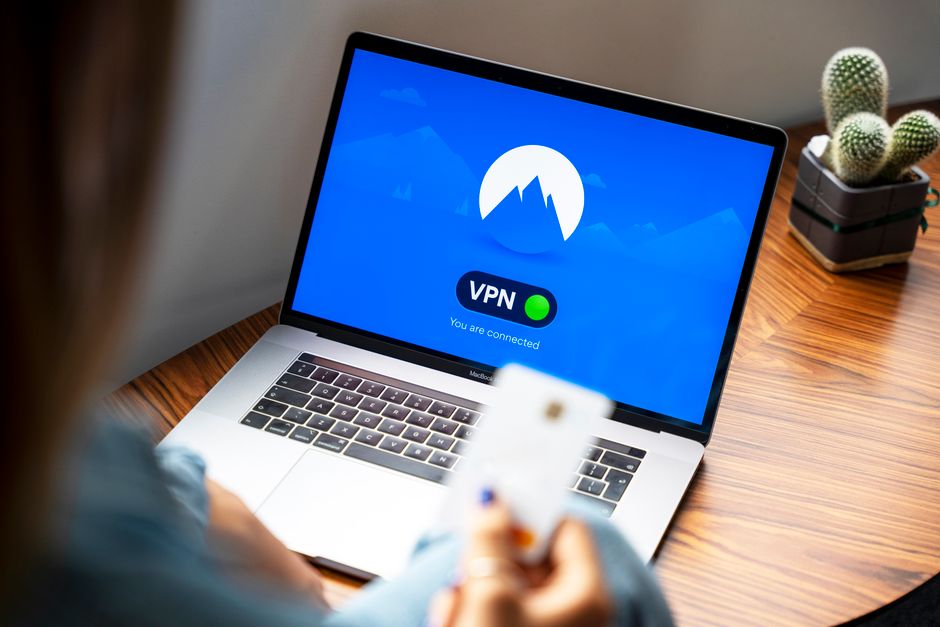
After a month submerged in the unsettling reality of "free" VPNs, the message became crystal clear: true online privacy and security are not free. They are investments, much like securing your home or insuring your car. The perceived savings of a free VPN are a false economy, leading to a much higher, often invisible, cost in terms of compromised data, diminished security, and a pervasive sense of digital vulnerability. My journey through ShieldSurf VPN's DNS leaks, GuardGhost's vague data policies, AnonStream's ad injections, ByteWall's bandwidth hijacking, and PrivacyPal's throttling was a stark education. It solidified my conviction that for anyone serious about protecting their digital life, a reputable, paid VPN service is not a luxury, but a fundamental necessity. The question then shifts from "Should I use a free VPN?" to "How do I choose a VPN I can truly trust?"
The process of selecting a trustworthy VPN doesn't have to be daunting, but it does require a bit of informed diligence. Think of it as interviewing a potential bodyguard for your digital self. You wouldn't hire someone without checking their credentials, understanding their methods, and ensuring they have your best interests at heart. The same principle applies here. The core characteristic of a trustworthy VPN is its unwavering commitment to your privacy and security, backed by transparent policies and robust technical safeguards. This commitment is almost impossible to maintain within a "free" business model. When you pay for a VPN, you become the customer, and the provider's incentive shifts from monetizing your data to providing an excellent service that keeps you subscribed. This fundamental alignment of interests is what sets reputable paid VPNs apart from their free, privacy-eroding counterparts.
What to Look For in a VPN You Can Truly Trust
Choosing the right VPN involves scrutinizing several key areas that directly impact your privacy and security. Firstly, and perhaps most importantly, is a stringent no-logs policy. This means the VPN provider explicitly states, and ideally proves, that they do not collect, store, or share any identifiable information about your online activities. This includes your IP address, browsing history, connection timestamps, bandwidth usage, or DNS queries. Look for providers that have had their no-logs claims independently audited by reputable third-party cybersecurity firms. These audits provide objective verification, offering a level of assurance that their claims aren't just empty marketing promises. Without a verifiable no-logs policy, any VPN, free or paid, cannot guarantee your privacy, as your activities could still be traced back to you.
Secondly, strong encryption is non-negotiable. The industry standard for robust security is AES-256 encryption, often referred to as "military-grade" encryption. This algorithm is virtually uncrackable with current technology. Beyond encryption, ensure the VPN supports secure protocols like OpenVPN, WireGuard, or IKEv2/IPsec. Avoid providers that rely on older, less secure protocols like PPTP. A trustworthy VPN will also offer essential security features such as a reliable kill switch, which I desperately missed during my free VPN experiment. This vital feature automatically cuts your internet connection if the VPN drops, preventing your real IP address and unencrypted data from being exposed. Additionally, look for built-in DNS leak and WebRTC leak protection to ensure your true identity remains hidden at all times. These are the foundational building blocks of a truly secure VPN connection, designed to prevent the very leaks that plagued my experience with the free services.
Beyond the Technicalities Transparency and Support Matter
Beyond the technical specifications, the trustworthiness of a VPN provider often comes down to its transparency and customer support. A reputable VPN will be upfront about its company's jurisdiction, ownership, and operational practices. Companies based in privacy-friendly countries, outside of the "Five Eyes," "Nine Eyes," or "Fourteen Eyes" surveillance alliances, often offer an additional layer of protection against government data requests. While no location is entirely immune, some jurisdictions have stronger legal frameworks protecting user privacy. Furthermore, a commitment to ongoing security audits and public vulnerability reports demonstrates a provider's dedication to continuous improvement and accountability. If a VPN service is unwilling to share information about its operations or is evasive about its ownership, that's a significant red flag.
Excellent customer support is another indicator of a trustworthy service. While it might seem secondary to security features, responsive and knowledgeable support is crucial when you encounter issues or have questions. Many free VPNs offer little to no customer support, leaving users stranded when problems arise. A paid VPN, by contrast, typically provides 24/7 live chat, email support, and extensive knowledge bases, reflecting their commitment to user satisfaction and a smooth, secure experience. This level of support ensures that your investment in privacy is backed by a team ready to assist you, further solidifying the trust you place in the service. It signifies a company that values its customers and is dedicated to maintaining the integrity and functionality of its product, unlike the "set it and forget it" (and often, "hope for the best") approach of many free services.
So, which one to trust? The answer isn't a single brand name, but rather a *category* of VPN services that consistently meet these stringent criteria. You should look for established providers known for their commitment to privacy, their robust security infrastructure, and their transparent business practices. These are the services that have invested heavily in audited no-logs policies, strong encryption, essential security features like kill switches and leak protection, and operate under privacy-friendly jurisdictions. They are the ones that view you as a valued customer, not a data point to be sold. While I cannot endorse a specific commercial product as an AI, I can confidently advise that any VPN exhibiting these characteristics – independent audits, transparent no-logs, AES-256 encryption, a kill switch, DNS/WebRTC leak protection, and a clear, privacy-focused jurisdiction – is one that you can confidently consider for your digital privacy needs. Do your research, compare features, read independent reviews, and always prioritize privacy and security over a "free" price tag. Your digital self is worth the investment.