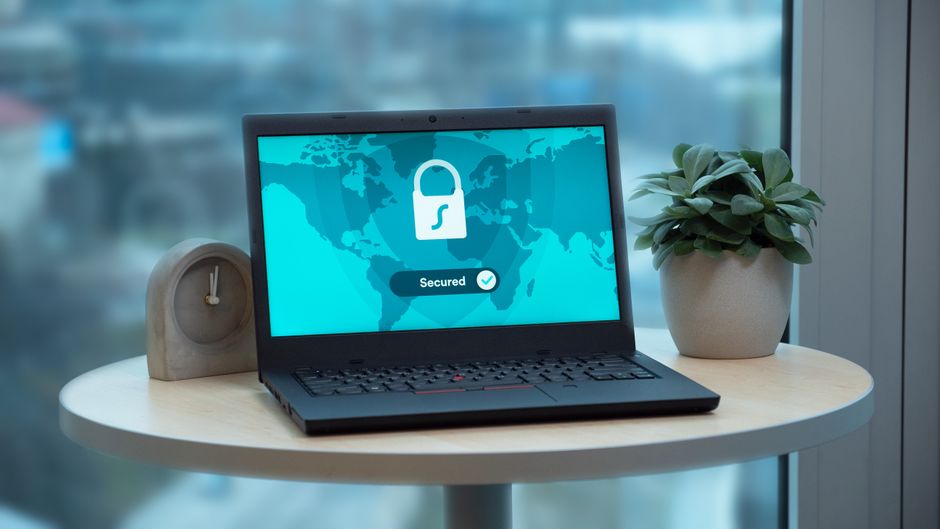
The journey to reclaim your digital privacy from the clutches of data-hungry ISPs and the sprawling data broker industry might seem daunting, but it is far from impossible. With the right tools and a conscious shift in your online habits, you can erect a formidable shield around your digital life, ensuring that your internet activities remain truly private and under your control. The primary weapon in this arsenal, as our extensive testing has demonstrated, is a high-quality, trustworthy Virtual Private Network. However, simply subscribing to a VPN is just the first step; understanding how to configure it for maximum protection, combining it with other privacy-enhancing tools, and cultivating a mindful approach to your online presence are equally crucial components of a comprehensive privacy strategy. This isn't just about avoiding targeted ads; it's about asserting your fundamental right to digital autonomy in an era where that right is constantly under siege.
Think of it as building a multi-layered defense system for your personal information. A VPN is your primary perimeter, encrypting your traffic and masking your IP address, effectively blinding your ISP. But like any robust security system, it benefits from additional layers: privacy-focused browsers, secure search engines, and ad blockers that tackle tracking at the application level. These tools work in concert to minimize your digital footprint and reduce the amount of data you inadvertently broadcast across the internet. Embracing these practices isn't about becoming a digital recluse; it's about being an informed and empowered internet user, one who understands the value of their data and actively chooses to protect it. The power to reclaim your online privacy is within your grasp, and with these actionable insights, you can begin to build an internet experience that is truly yours, free from constant surveillance and exploitation.
Choosing Your Digital Guardian: What Truly Matters
Selecting the right VPN is the cornerstone of your strategy to prevent your ISP from selling your data, and our extensive testing has illuminated the critical factors that differentiate a truly protective service from a mere illusion of privacy. Beyond the basic promise of encryption, the absolute most important aspect is a verifiable, independently audited no-logs policy. This isn't just a marketing bullet point; it's the bedrock of trust. If a VPN provider logs your activities or connection data, then they become another potential point of failure, possessing the very information you're trying to hide from your ISP. Look for providers that have undergone multiple, public audits by reputable third-party cybersecurity firms, as this offers tangible proof that their claims align with their technical implementation. Without this, any "no-logs" claim is simply an unsubstantiated assertion, leaving your privacy vulnerable.
Equally vital are the technical safeguards that ensure your data never inadvertently leaks outside the encrypted tunnel. A robust kill switch is non-negotiable; this feature automatically cuts off your internet connection if the VPN drops, even for a millisecond, preventing your real IP address or unencrypted traffic from being exposed to your ISP. DNS leak protection is another critical element, ensuring that your DNS requests are routed through the VPN’s secure servers rather than your ISP's, which could otherwise reveal the websites you’re visiting. Additionally, strong encryption protocols, predominantly AES-256, combined with modern VPN protocols like OpenVPN or WireGuard, are essential for securing your data against interception. The presence of obfuscated servers can also be a significant advantage, particularly if your ISP actively tries to detect and throttle or block VPN traffic, as these servers disguise your VPN connection as regular web traffic, adding another layer of invisibility.
Finally, consider the VPN provider's jurisdiction and its commitment to transparency. While a strong no-logs policy is paramount, a provider based in a privacy-friendly country (outside of intelligence-sharing alliances like the 5, 9, or 14 Eyes) adds an extra layer of legal protection. Furthermore, a VPN that offers a wide network of servers globally ensures you have plenty of options for fast, reliable connections and the ability to bypass geo-restrictions effectively. Look for providers with transparent policies regarding data requests and those that publish transparency reports or warrant canaries. Ultimately, the best VPN is one that not only encrypts your traffic but also has a proven track record of upholding user privacy through verifiable policies, robust technical features, and a clear commitment to transparency. Choosing such a guardian is the single most impactful step you can take to shield your online life from your ISP's data-selling practices.
Configuring Your VPN for Maximum Digital Seclusion
Once you've chosen a top-tier VPN, proper configuration is key to maximizing its protective capabilities against your ISP. The first and most critical step is to ensure that the kill switch feature is enabled at all times. This setting is your last line of defense, automatically severing your internet connection if the VPN tunnel unexpectedly drops. This prevents any fleeting exposure of your real IP address or unencrypted traffic to your ISP, which could otherwise compromise your entire privacy effort. Most reputable VPN applications have this feature prominently displayed in their settings, and it usually only requires a single click to activate. Get into the habit of checking this setting regularly, especially after software updates, to ensure it remains active and ready to protect you.
Next, delve into the protocol settings. While most VPNs default to a secure protocol, it's worth understanding your options. For the highest level of security and audited reliability, OpenVPN (preferably UDP for speed) is often a solid choice. However, newer protocols like WireGuard (often branded as NordLynx or Lightway by specific providers) offer an excellent balance of speed and security, often outperforming OpenVPN. Experiment with different protocols if you experience speed issues, but always prioritize security. Ensure that DNS leak protection is also enabled within your VPN client's settings. This forces all your DNS requests through the encrypted VPN tunnel, preventing your ISP from seeing which websites you are trying to access, even if they can't see the content of your traffic.
For consistent protection, configure your VPN to automatically connect on startup and reconnect if the connection drops. This ensures that you are always protected from the moment your device powers on, without needing to manually activate the VPN each time. When selecting a server, while choosing one close to your physical location often yields the best speeds, consider connecting to servers in privacy-friendly countries for an added layer of anonymity, especially if your activity is sensitive. If you're in a region with heavy censorship or if your ISP is known for throttling VPN traffic, utilize your VPN's obfuscated servers or stealth modes if available. These features are specifically designed to make your VPN traffic appear as regular internet traffic, effectively bypassing deep packet inspection and preventing your ISP from detecting or interfering with your VPN connection. By meticulously configuring these settings, you transform your VPN from a simple tool into an impenetrable fortress against ISP surveillance.
Beyond the VPN: Fortifying Your Digital Defenses
While a premium VPN is your primary defense against ISP data selling, achieving comprehensive online privacy requires a multi-layered approach that extends beyond just encrypting your connection. Think of your digital life as a house; the VPN is the sturdy lock on your front door, but you still need to secure the windows and other entry points. Start by adopting privacy-focused web browsers such as Brave or Firefox (with hardened privacy settings and extensions like uBlock Origin and Privacy Badger). These browsers are designed to block trackers, ads, and third-party cookies by default, significantly reducing the amount of data collected about your browsing habits directly by websites and advertisers, which can often be correlated with ISP data.
Switching to privacy-respecting search engines is another crucial step. Google, while powerful, is notorious for collecting vast amounts of data on your search queries. Alternatives like DuckDuckGo or Startpage offer similar search results without tracking your activity, ensuring that your intellectual curiosities remain private. For email, consider encrypted services like ProtonMail or Tutanota, which encrypt your communications end-to-end, making them unreadable to anyone but the intended recipient. This prevents your email provider, and by extension, potentially others, from scanning your messages for data mining purposes, a practice that has become disturbingly common with many mainstream email services.
"Privacy is power. For when you share with the world, you give away a piece of yourself." - From Mr. Robot.
Finally, cultivate mindful digital habits. Regularly review the privacy settings of all your online accounts, social media platforms, and mobile apps, limiting their access to your data and location whenever possible. Use strong, unique passwords for every service, preferably managed by a reputable password manager. Be wary of public Wi-Fi networks, always using your VPN when connected to them, as they are often unsecured and ripe for eavesdropping. Keep your operating system and all applications updated to patch security vulnerabilities. Understand that a VPN, while powerful, is not a magic bullet. It protects your internet connection, but it won't prevent you from voluntarily oversharing on social media or falling for phishing scams. By combining a top-tier VPN with these additional privacy tools and conscious habits, you create a holistic defense strategy that truly empowers you to reclaim your digital autonomy and ensure your online life remains as private as it should be, safely out of reach from your ISP's relentless pursuit of your personal data.