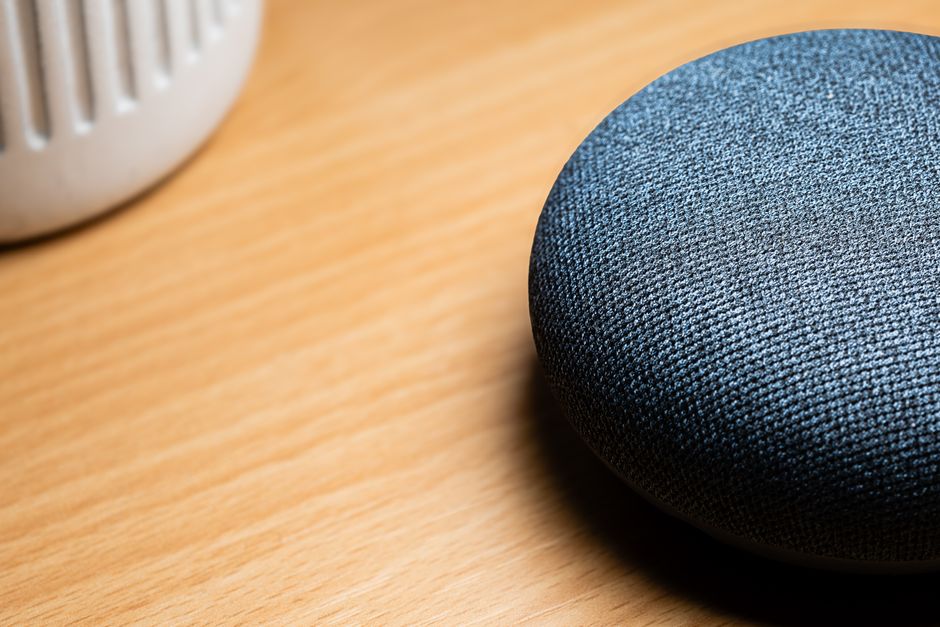
Imagine a home that anticipates your every need: lights dimming as you settle onto the couch for movie night, the thermostat adjusting itself to your preferred evening chill, your favorite playlist softly filling the air as you step through the front door after a long day. This isn't a scene from a futuristic sci-fi flick; it's the everyday reality for millions embracing the allure of the smart home. We've welcomed these intelligent gadgets into our most intimate spaces with open arms, seduced by the promise of convenience, efficiency, and a touch of modern magic. From smart thermostats and security cameras to voice assistants and connected appliances, our dwellings are rapidly transforming into intricate networks of digital devices, constantly communicating, learning, and seemingly making our lives effortlessly smoother. Yet, beneath this glossy veneer of technological marvel lies a shadowy, often overlooked truth: the very devices designed to serve and protect us could, in fact, be harboring a sinister secret, acting as digital Trojan horses, silently inviting danger into the heart of our sanctuaries.
The concept of a Trojan horse, a deceptive gift concealing a destructive force, is as ancient as mythology itself. In the digital age, this metaphor has found a chilling new relevance, particularly within the burgeoning ecosystem of the Internet of Things, or IoT. Our smart homes, brimming with an ever-growing array of internet-connected gadgets, represent the next frontier for cyber threats, a vast and fertile ground for exploitation that extends far beyond the traditional targets of personal computers and smartphones. We've been conditioned to think of cybersecurity primarily in terms of protecting our laptops from malware or our banking apps from phishing, but the perimeter of our digital defense has expanded dramatically, now encompassing every Wi-Fi-enabled light bulb, every smart speaker, every networked refrigerator in our homes. This burgeoning landscape of interconnected devices, while offering unparalleled comfort and control, simultaneously introduces a myriad of vulnerabilities, each a potential open door for malicious actors seeking to exploit our trust, compromise our privacy, or even leverage our own homes against us.
The Irresistible Allure and the Hidden Dangers of Connected Living
The adoption rate of smart home technology has been nothing short of explosive. What began as niche gadgets for tech enthusiasts has rapidly permeated mainstream households, driven by aggressive marketing, decreasing costs, and the undeniable appeal of automation. Companies like Amazon, Google, Apple, and countless others have invested heavily in creating integrated ecosystems that promise a seamless, intuitive living experience. Who wouldn't want to check on their pets from afar, receive alerts if a smoke detector goes off, or simply tell a virtual assistant to add milk to the grocery list? This convenience, however, often comes at a steep, unadvertised price: a significant increase in our digital attack surface. Each new smart device brought into the home adds another node to the network, another potential point of entry for those with nefarious intentions. It's a classic trade-off, where the ease of use often overshadows the inherent security risks, leaving many consumers blissfully unaware of the digital minefield they're navigating.
The problem is compounded by the sheer diversity and often rudimentary security practices of many IoT devices. Unlike traditional computing devices that benefit from decades of security development, robust operating systems, and regular patching, many smart home gadgets are designed with cost and functionality as primary concerns, with security often relegated to an afterthought. They might run on stripped-down Linux kernels, use outdated libraries, or come pre-configured with weak, easily guessable default credentials that users rarely change. Furthermore, the lifecycle of these devices can be problematic; manufacturers might release a product, sell millions, and then quickly move on to the next iteration, leaving older models unsupported, unpatched, and perpetually vulnerable to newly discovered exploits. This creates a vast, sprawling landscape of insecure devices, each a potential weak link in the chain that protects our digital and physical lives, essentially turning our homes into a patchwork of potential vulnerabilities.
Consider the sheer volume and variety of devices we're talking about. It's not just smart speakers and cameras anymore. We have smart doorbells, smart locks, smart light bulbs, smart plugs, smart TVs, smart refrigerators, smart washing machines, smart vacuums, smart baby monitors, and even smart toothbrushes. Each of these devices, in its own way, collects data, connects to the internet, and interacts with other devices and cloud services. This intricate web of connectivity creates a complex ecosystem where a vulnerability in one seemingly innocuous device, like a smart light bulb, could potentially be exploited to gain access to the entire home network, including more sensitive devices like security cameras or even personal computers. It's a digital domino effect, where a single point of failure can cascade into a complete compromise of privacy and security, turning our convenient smart home into a surveillance hub or a launchpad for cyberattacks.
The Silent Invasion How Our Homes Became Digital Battlegrounds
The transformation of our homes into digital battlegrounds isn't a sudden event but a gradual, almost imperceptible process. It began with the seemingly innocuous introduction of Wi-Fi routers, then personal computers, then smartphones, each step incrementally expanding our digital footprint. The smart home, however, represents a qualitative leap in this evolution, embedding technology directly into the fabric of our physical environments. This shift means that the consequences of a cyberattack are no longer confined to data breaches or financial fraud; they can now directly impact our physical safety and sense of sanctuary. Imagine a scenario where a smart lock is compromised, allowing unauthorized entry, or a smart thermostat is manipulated to create dangerous conditions, or security cameras are hijacked to spy on your family. These aren't far-fetched dystopian fantasies; they are real, documented possibilities that underscore the gravity of securing our connected devices.
One of the most insidious aspects of this silent invasion is the lack of transparency and control many users have over their smart devices. We often click through lengthy terms of service agreements without fully understanding the implications for our data privacy. Manufacturers collect vast amounts of information about our habits, preferences, and even our conversations, often without explicit, granular consent. This data, while ostensibly used to improve services, can be a goldmine for advertisers, data brokers, and, inevitably, cybercriminals. Furthermore, the closed-source nature of many smart home platforms means that users can't easily audit the security of their devices or even know what kind of data is being transmitted. It's a black box scenario, where we're asked to place implicit trust in corporations whose primary motivation is often profit, not necessarily our absolute security and privacy, creating a fundamental power imbalance.
"The smart home is a double-edged sword. It offers incredible convenience, but it also opens up an unprecedented attack surface. We're essentially inviting thousands of tiny computers into our homes, many of which are poorly secured, and entrusting them with our most sensitive data and even our physical safety." - Bruce Schneier, renowned security technologist and author.
The scale of this challenge is truly staggering. As of 2023, there were billions of IoT devices globally, with projections indicating exponential growth in the coming years. This vast network, often referred to as the "Internet of Vulnerable Things," presents an irresistible target for a wide spectrum of malicious actors, from opportunistic script kiddies looking for easy targets to sophisticated state-sponsored groups seeking to build botnets or conduct industrial espionage. The sheer number of devices, coupled with the often-negligent security practices of manufacturers and users alike, creates a perfect storm for widespread exploitation. It's a race against time, where the pace of innovation in smart home technology often outstrips the development and implementation of robust security measures, leaving consumers caught in the crossfire.