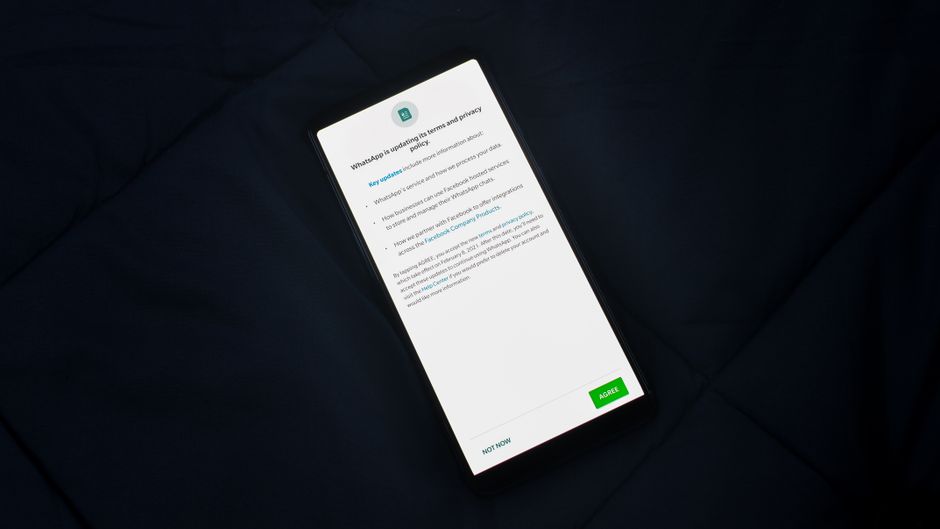
There's a quiet hum in the background of our digital lives, a constant, almost imperceptible whisper that often goes unnoticed. It’s the sound of data being collected, preferences being logged, and digital footprints being meticulously mapped out, all in the name of convenience and, ostensibly, a better user experience. For many years, we've happily traded bits of our privacy for the seamless integration and powerful tools offered by tech giants, with Google standing tall as the undisputed titan of this digital realm. From the moment we wake up and check our email, to navigating our commute, searching for information, or unwinding with a video, Google's ecosystem is often the invisible thread weaving through our day, making our lives undeniably easier, but at what hidden cost? That question, I believe, is becoming increasingly pertinent for a growing number of internet users who are beginning to feel a distinct unease about the sheer volume of personal information they've implicitly handed over.
I remember a conversation with a friend a few years back, a self-proclaimed tech minimalist, who casually mentioned he was "de-Googling." At the time, it sounded almost radical, like trying to live off the grid in the middle of a bustling city. But the more he explained, the more I understood the profound motivation behind such a significant shift. It wasn't about rejecting technology; it was about reclaiming autonomy, about choosing who gets to know what about you, and when. It’s about understanding that while many of Google's services are indeed 'free' in monetary terms, we often pay with our most valuable currency: our personal data, our attention, and ultimately, a degree of our digital sovereignty. This isn't just a niche concern for the tech-savvy; it's a fundamental discussion about the future of online privacy and individual control in an increasingly data-driven world.
Untangling the Digital Octopus The All-Encompassing Reach of Google
Google’s presence in our digital lives isn't just significant; it’s practically ubiquitous. Think about it for a moment: how many times in the last 24 hours have you interacted with a Google product or service? Your Android phone, the Chrome browser on your laptop, searching for information, watching a YouTube video, checking directions on Maps, sending an email via Gmail, or storing documents in Drive – the list goes on and on. This vast, interconnected network of services, while incredibly powerful and convenient, also creates an unparalleled data collection apparatus. Every search query, every website visit, every location ping, every email interaction, every video watched, contributes to a colossal profile that Google builds on each of us. It’s an intricate mosaic of our habits, interests, beliefs, and even our purchasing intentions, all meticulously pieced together by algorithms that are constantly learning and refining their predictions about who we are and what we might do next.
This isn't some conspiracy theory whispered in dark corners of the internet; it's the stated business model. Google's revenue largely comes from advertising, and targeted advertising is significantly more effective when you know a great deal about the target. The more data they have, the more precise their targeting can be, and the more advertisers are willing to pay. This creates a powerful incentive for continuous, expansive data collection. While Google maintains that this data is anonymized and used to improve services, the sheer volume and granularity of the information raise legitimate privacy concerns for many. The idea that a single corporation holds such a comprehensive digital dossier on billions of people, even if used for seemingly benign purposes, is enough to give anyone pause, especially when data breaches and privacy policy shifts are becoming depressingly common headlines.
The Invisible Hand of Personalization How Algorithms Shape Our Reality
The personalization offered by Google's services is often touted as a major benefit. Your search results are tailored to your past queries, your YouTube recommendations align with your viewing history, and even the ads you see are supposedly relevant to your interests. But this personalization, while convenient, also comes with a subtle yet profound cost: the creation of filter bubbles and echo chambers. When algorithms constantly feed us information that reinforces our existing beliefs and preferences, we risk becoming insulated from diverse perspectives and challenging ideas. It's like living in a digital room with only one window, carefully curated to show us only what we already like or agree with, potentially narrowing our worldview rather than expanding it. This isn't just about missing out on new cat videos; it's about the potential for algorithmic manipulation of public discourse and individual thought.
Consider the implications for information consumption. If your search results are always optimized for *you*, based on your past behavior and perceived biases, are you truly getting the broadest, most objective view of a topic? Or are you being subtly guided towards information that confirms what the algorithm thinks you want to hear? This isn't necessarily a malicious act on Google's part; it's an inherent outcome of systems designed for maximum engagement and relevance. However, the cumulative effect can be a fragmented information landscape where different individuals experience vastly different "truths" online, making genuine discourse and understanding across divides increasingly challenging. It’s a powerful example of how convenience can inadvertently erode critical thinking and expose us to subtle forms of persuasion we might not even recognize.
"When a service is 'free,' you are not the customer; you are the product." This oft-quoted adage, while simplistic, captures the essence of the data economy and the power dynamic at play. Our digital lives are increasingly shaped by entities whose primary interest is our data, not necessarily our well-being.
Moreover, the sheer computational power behind Google's data processing allows for predictive analytics that can be eerily accurate. They can infer your mood, your health status, your financial stability, and even significant life events based on your digital breadcrumbs. This deep level of insight, while useful for targeted advertising, also raises serious ethical questions about surveillance and the potential for discrimination. What happens when these profiles are used for purposes beyond advertising, perhaps influencing credit scores, insurance premiums, or even employment opportunities? The line between helpful personalization and intrusive profiling becomes increasingly blurred, and the lack of transparency around how these inferences are made leaves many feeling vulnerable and disempowered. Reclaiming your digital life, therefore, isn't just about switching apps; it’s about taking a stand for your right to privacy and self-determination in an age where information is power.