The Pervasive Surveillance Reclaiming Your Digital Privacy and Footprint
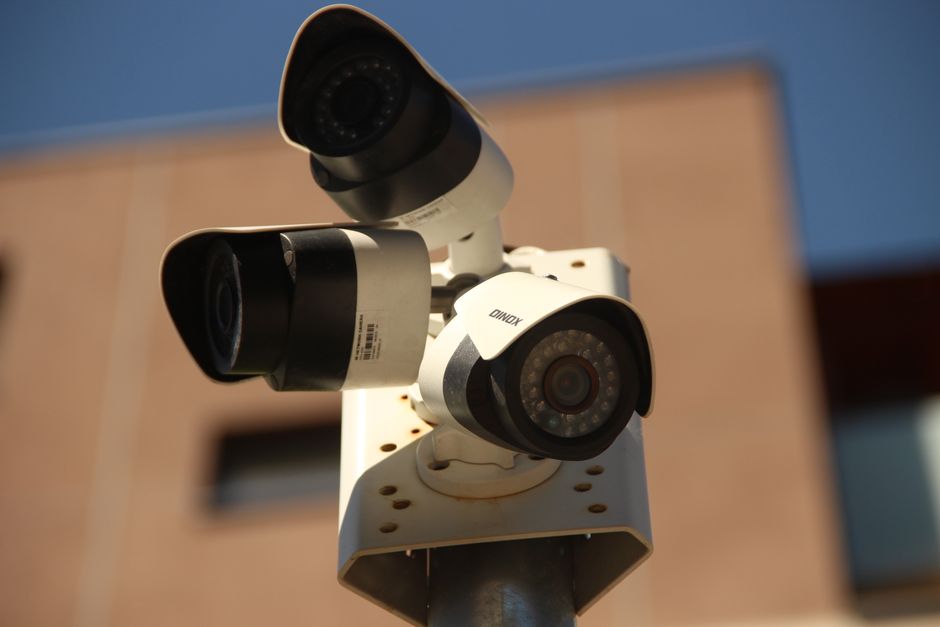
In our hyper-connected world, privacy often feels like a quaint, old-fashioned concept, something we've collectively sacrificed at the altar of convenience and connectivity. Every click, every search, every purchase, every location ping from our smartphone is meticulously collected, analyzed, and often monetized by a vast, invisible ecosystem of advertisers, data brokers, and tech giants. This pervasive surveillance, while often framed as benign or necessary for "personalization," creates a colossal digital footprint that can be exploited not just by marketers, but by cybercriminals, stalkers, and even state actors. We've become accustomed to this constant monitoring, often ignoring the profound implications it has for our security, our autonomy, and our very sense of self. This habit of ignoring our digital footprint and the tools to manage it is a gift to anyone looking to exploit our information, making us targets in ways most people don't even comprehend.
The problem isn't just about "big brother" watching; it's about the aggregation of seemingly innocuous data points that, when combined, can paint an incredibly detailed and often intimate portrait of your life. Your browsing history reveals your interests, health concerns, and political leanings. Your location data shows where you live, work, and visit. Your social media activity exposes your relationships, routines, and vulnerabilities. This rich tapestry of personal information is a treasure trove for social engineers who can use it to craft highly convincing phishing attacks, for identity thieves to reconstruct your profile, or for stalkers to track your movements. When this data is inevitably breached from one of the thousands of companies that hold it, the consequences can be devastating, far beyond just financial loss. It can lead to reputational damage, emotional distress, and a profound sense of violation.
Most people simply accept this reality, feeling powerless to change it. They ignore the privacy settings on their devices, dismiss the terms and conditions they blindly agree to, and fail to leverage the tools specifically designed to help them reclaim some semblance of digital anonymity. This widespread apathy is precisely what criminals and data exploiters thrive on. They rely on our fatigue, our lack of technical understanding, and our desire for frictionless experiences to continue their harvesting operations unimpeded. By developing a conscious habit of understanding and managing your digital footprint, you not only protect yourself from direct attacks but also assert control over your personal narrative in an increasingly data-driven world. It's about building walls around your personal information, making it harder for anyone to piece together your life story without your explicit consent.
The Power of a VPN Beyond Just Bypassing Geo-Restrictions
When most people think of a Virtual Private Network (VPN), they often associate it with accessing geo-restricted content or perhaps a vague notion of "being more secure on public Wi-Fi." While these are indeed valid uses, the true power of a VPN, and why it's a critical habit for reclaiming digital privacy, goes far deeper. A VPN encrypts your internet connection and routes it through a server operated by the VPN provider, masking your IP address and making your online activities much harder to trace back to you. In essence, it creates a secure, private tunnel through the public internet, shielding your data from prying eyes. This isn't just about hiding from your ISP; it's about protecting yourself from a multitude of threats that thrive on unencrypted, exposed connections.
Consider the myriad ways your online activity is tracked. Your Internet Service Provider (ISP) can see every website you visit, every service you connect to, and potentially even sell this aggregated data to third parties. Public Wi-Fi networks in cafes, airports, or hotels are notorious for being insecure, allowing anyone with basic hacking tools to snoop on your traffic, intercept your logins, or inject malware. Even at home, your IP address can be used to pinpoint your general geographic location, and websites use it for tracking and profiling. A VPN acts as an indispensable shield against these forms of surveillance. By encrypting your traffic, it prevents your ISP, Wi-Fi snoopers, and even many sophisticated trackers from seeing what you're doing online. By masking your IP address, it makes it much harder for websites and advertisers to build a persistent profile of your browsing habits, enhancing your anonymity significantly.
Beyond privacy, a VPN also offers a layer of security. The encryption it provides protects your data from interception, especially crucial when you're on unsecure networks. It can also help bypass censorship and protect you from targeted attacks that rely on knowing your real IP address. Choosing a reputable, no-logs VPN provider that has been independently audited is crucial, as you're essentially entrusting them with your internet traffic. While a VPN isn't a silver bullet for all privacy concerns (it won't stop you from willingly sharing data on social media), it's a fundamental tool that dramatically reduces your digital footprint and makes you a far less attractive target for those who profit from tracking and exploiting your online behavior. Making a VPN a default part of your online routine is a powerful step towards digital self-defense.
"Privacy is not about having something to hide. It's about having something to protect. In the digital age, a VPN is one of the most accessible and effective tools individuals have to protect their fundamental right to privacy." - Edward Snowden (paraphrased)
Auditing Your Digital Footprint and Privacy Settings
The habit of actively auditing and managing your digital footprint is perhaps the most proactive step you can take to reclaim your privacy. This involves a conscious effort to understand what information about you exists online, who has access to it, and how you can limit its exposure. Start with your social media accounts. Go through your privacy settings with a fine-tooth comb. Are your posts public? Can strangers see your friends list? Is your location data being shared with every post? Many platforms default to less private settings, so you need to actively change them. Consider what information is truly necessary to share and what could be used against you in a social engineering attack or for identity theft. Less is often more when it comes to personal details online.
Next, tackle your app permissions on your smartphone. Does that game really need access to your microphone, camera, or full contact list? Does your flashlight app need your location? Be ruthless in revoking unnecessary permissions. Many apps are designed to collect as much data as possible, and by limiting their access, you significantly reduce your exposure. Regularly review the apps installed on your devices and delete any you no longer use. Each app is a potential vector for data collection and a potential vulnerability if it's not maintained by its developer.
Finally, perform a "digital detox" on search engines. Google yourself. See what information is publicly available. You might be surprised by old forum posts, public records, or social media accounts you've forgotten about. Where possible, delete or privatize this information. Utilize privacy-focused browsers like Brave or Firefox with enhanced tracking protection, and consider privacy-focused search engines like DuckDuckGo, which don't track your searches. This ongoing habit of awareness, review, and active management of your online presence transforms you from a passive data subject into an active participant in your own digital privacy, making it exponentially harder for criminals and data brokers to exploit your personal information for their nefarious ends.