The sheer ubiquity of UPnP, combined with its fundamental design flaws and often sloppy implementations by router manufacturers, paints a bleak picture for the average internet user. It's not just a theoretical risk; it's a persistent, well-documented vulnerability that cybersecurity professionals have been warning about for years. Think of your router as the main gatekeeper to your digital castle. A robust firewall is like a strong, locked gate with vigilant guards. UPnP, in essence, is a hidden, unlocked side door that anyone inside the castle can open for their friends, or enemies, without the gatekeeper's knowledge or permission. This isn't just about an attacker potentially seeing your Netflix history; it's about them gaining access to sensitive financial documents, private communications, or even taking control of your smart home devices, creating a tangible threat to your personal safety and financial security. The scale of this problem is not to be underestimated; it affects millions globally, from individual homes to small businesses.
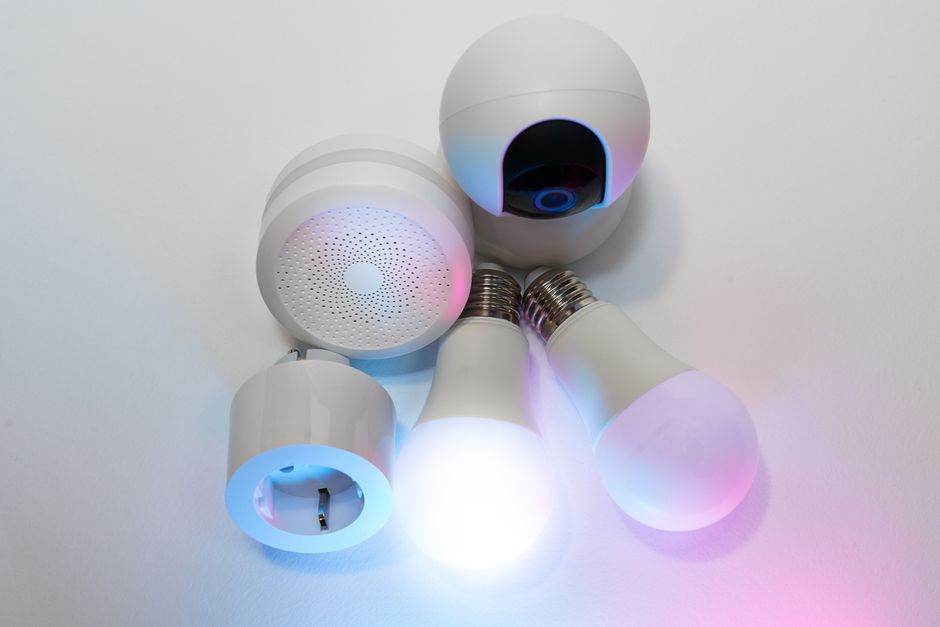
One of the most alarming aspects is how UPnP amplifies the risk associated with the growing number of insecure IoT devices. Many smart home gadgets are notorious for their weak security posture, often shipped with default, easily guessable credentials, unpatched firmware, and minimal security features. When these devices are connected to a network with UPnP enabled, they become a critical weak link. An attacker who compromises a single vulnerable smart bulb or a poorly secured smart thermostat can then leverage that device to issue UPnP requests to the router, opening up pathways to more valuable targets within the network. It’s a classic example of a "pivot attack," where a low-value target is used as a springboard to access higher-value assets. This makes your entire smart home ecosystem, designed for convenience and automation, a potential minefield of security risks, all facilitated by a protocol designed to make things easy.
The Echoes of Past Breaches and Expert Warnings
The history of UPnP is littered with examples of its exploitation and dire warnings from the cybersecurity community. For instance, the aforementioned Rapid7 study from 2013 was a watershed moment, revealing that millions of devices were exposing UPnP services to the internet, many with critical vulnerabilities. This wasn't just about the protocol itself; it was also about the shoddy implementation in countless consumer-grade routers and devices. These vulnerabilities ranged from information disclosure to remote code execution, meaning attackers could not only gather data about your network but also potentially take full control of your router. While many of the most egregious software bugs have been addressed in newer firmware versions, the core risk—the ability for any internal device to unilaterally open firewall ports—remains a fundamental design flaw that no patch can truly fix without disabling the feature entirely.
Cybersecurity experts have consistently branded UPnP as a significant security liability. Dr. Steven Murdoch, a leading researcher in cybersecurity, has often highlighted how UPnP undermines fundamental network security principles by allowing devices to bypass the firewall without user consent. He, and many others in the field, advocate for its disablement wherever possible, emphasizing that the convenience it offers is rarely worth the substantial security risk. Imagine a security consultant walking into your home and finding a secret back door that anyone inside can open for anyone outside, without you knowing. They would immediately tell you to seal it shut. That's precisely the advice given regarding UPnP. It fundamentally shifts control of your network's perimeter from you, the owner, to any device connected to your network, including potentially compromised ones, which is a recipe for disaster in the modern threat landscape.
Even major router manufacturers, albeit sometimes subtly, acknowledge the risks. While they often ship devices with UPnP enabled by default to ensure ease of use and minimize support calls, their advanced security guides or whitepapers often recommend disabling it for enhanced security, especially in business environments. This contradiction highlights the tension between user convenience and robust security. For home users, who often lack the technical expertise to understand these nuances, the default setting becomes the de facto secure setting, which is a dangerous assumption. The reality is that the default configuration of many routers, with UPnP active, offers a significantly weaker security posture than what is truly necessary to protect a modern home network from the myriad of online threats that exist today, from opportunistic hackers to sophisticated malware campaigns.
When Your Gaming Console Becomes a Gateway for Crime
Let's consider a common scenario: online gaming. Many gamers rely on UPnP for a seamless multiplayer experience, as it automatically configures the necessary port forwards for their console (Xbox, PlayStation, PC) to connect to game servers and other players. This can improve connection quality and reduce latency, which is critical in fast-paced competitive games. However, this convenience comes with a hidden cost. If a gaming console or PC is compromised, perhaps through a malicious game mod, a downloaded cheat, or even a vulnerability in the console's operating system, that compromised device can then leverage UPnP to open ports on your router. This transforms your gaming setup into an unwitting accomplice in a cyberattack, potentially allowing attackers to access other devices on your network, steal personal data, or even use your internet connection for illicit activities, all while you're focused on scoring the next headshot.
The danger extends beyond just gaming. Media servers like Plex or Kodi, network-attached storage (NAS) devices, and various home automation hubs often utilize UPnP for remote access or easier setup. While these applications provide immense utility, their reliance on UPnP means that any vulnerability in these specific applications or devices can be magnified. If an attacker gains control of your NAS, for example, they might use UPnP to open a port, not just to access the NAS itself from outside, but to establish a persistent backdoor into your network. From there, they could potentially access sensitive documents, photos, or even encrypt your entire NAS drive with ransomware, demanding a hefty payment for its release. The convenience of streaming your home movies to your phone while on vacation suddenly pales in comparison to the nightmare of losing all your irreplaceable digital memories to a cybercriminal exploiting a well-intentioned, but ultimately flawed, network protocol.
The critical takeaway here is that UPnP operates under the assumption that all devices on your local network are trustworthy and secure. In today's interconnected world, where IoT devices are often rushed to market with minimal security testing and consumers frequently neglect basic security hygiene, this assumption is fundamentally flawed. A single weak link – a cheap smart plug, an unpatched IP camera, or even a compromised laptop – can exploit UPnP to compromise the security of your entire home network. This makes your router, which should be your strongest defense, a willing participant in its own subversion, opening doors for threats that would otherwise be blocked by its robust firewall. It's a fundamental architectural flaw that puts convenience ahead of security, and it's a mistake we collectively need to stop making if we truly value our digital privacy and safety.