Reclaiming Your Digital Destiny Navigating the Unseen Currents
The realization that your data's security extends far beyond your personal devices and into a sprawling, interconnected web of third parties can be unsettling, even overwhelming. It shatters the comforting illusion of isolated control and forces us to confront a far more complex reality. However, acknowledging this profound truth is the crucial first step toward regaining a semblance of control over your digital destiny. While achieving complete anonymity or absolute data control in this pervasive ecosystem might be an unattainable ideal, there are concrete, actionable steps you can take to significantly reduce your exposure, minimize the flow of your data to unseen hands, and make more informed choices about your online interactions. It requires a shift in mindset, moving from a reactive defensive posture on your own devices to a proactive, ecosystem-aware approach to digital privacy and security.
One of the most empowering actions you can undertake is to embark on a comprehensive audit of your digital footprint, an often-daunting but incredibly revealing process. This isn't just about reviewing your social media privacy settings, though that's a good start. It involves systematically identifying where your personal data might reside across the internet. Begin by searching for your name, email addresses, and phone numbers on various search engines and data broker opt-out sites. Many data brokers, while not legally required to delete your data in all jurisdictions, do offer opt-out mechanisms – though navigating them can be a tedious, persistent battle. Websites like HaveIBeenPwned.com can also reveal if your email addresses or passwords have been exposed in known data breaches, providing a critical starting point for understanding your historical exposure. This detective work, while time-consuming, provides invaluable insight into the sheer volume of information about you that exists outside your direct control.
Beyond identifying existing data, it's equally important to be more discerning about the new data you generate and share. Every new app, every online service, every "free" tool comes with a hidden cost: your data. Before signing up for anything, take a moment – yes, a real moment, not just a fleeting glance – to review the privacy policy. Look for clauses about third-party sharing, data retention periods, and how your data might be used for advertising or profiling. If the policy is vague, overly broad, or simply too long to reasonably digest, consider whether the service is truly worth the potential privacy cost. This selective approach, while perhaps slowing down your digital interactions slightly, empowers you to make conscious decisions about who gets access to your information, rather than passively allowing its dissemination. Remember, in the digital economy, if you're not paying for the product, you are often the product being sold.
Building a More Resilient Digital Perimeter with Strategic Tools
While the myth of the personal perimeter is dangerous, it doesn't negate the importance of securing your immediate digital environment. In fact, these foundational steps become even more critical when you understand the broader data ecosystem. Think of it as reinforcing the walls of your house, even as you become aware of the vulnerabilities in the neighborhood. Implementing robust, multi-layered security measures for your devices and accounts is paramount. This includes using a strong, unique password for every single online account, preferably generated and managed by a reputable password manager. Enabling two-factor authentication (2FA) or multi-factor authentication (MFA) on every service that offers it is no longer optional; it's an absolute necessity. Even if your password is compromised through a third-party breach, MFA can often prevent unauthorized access to your accounts. These seemingly basic steps form the bedrock upon which any broader data privacy strategy must be built.
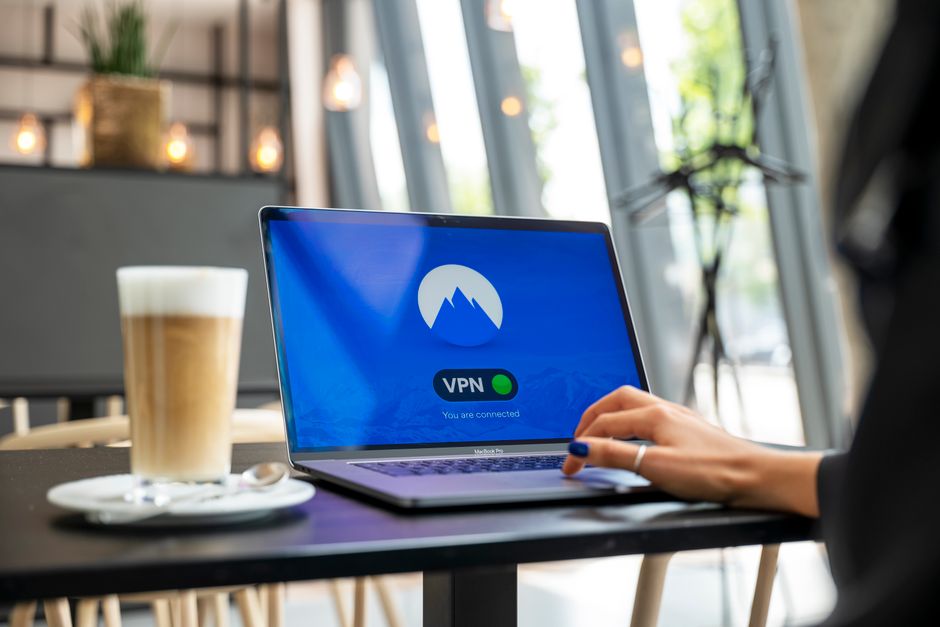
Leveraging privacy-enhancing technologies strategically can significantly curtail the amount of data flowing into the vast third-party ecosystem. A high-quality Virtual Private Network (VPN) is not a silver bullet, but it's an indispensable tool in your arsenal. A VPN encrypts your internet traffic and routes it through a server operated by the VPN provider, effectively masking your IP address from websites and third-party trackers. This makes it much harder for data brokers and advertisers to build a comprehensive profile of your online activities based on your network identity. However, choose your VPN provider carefully; a trustworthy VPN company will have a strict no-logs policy, be audited by independent third parties, and be transparent about its operations. Remember, you're entrusting your traffic to them, so due diligence is crucial. Beyond VPNs, consider using privacy-focused browsers like Brave or Firefox with enhanced tracking protection, and install browser extensions like uBlock Origin or Privacy Badger to block trackers and ads at the source, preventing much of that insidious data collection before it even begins.
Furthermore, adopting encrypted messaging apps (Signal, Wire) for sensitive communications and being mindful of the permissions you grant to apps on your smartphone are vital. Many apps routinely request access to your contacts, location, microphone, or camera, often without a clear functional justification. Regularly review your app permissions and revoke access where it's not strictly necessary for the app's core functionality. For instance, a flashlight app doesn't need access to your photos, and a game doesn't need your location 24/7. These seemingly small actions collectively reduce the surface area for data collection and limit the information that can be harvested by third parties, directly impacting the granularity of the profiles data brokers can build about you. It's about being an active participant in your privacy, rather than a passive observer of your data's journey.
Exercising Your Rights and Demanding Accountability
In certain parts of the world, significant strides have been made in empowering individuals with legal rights over their data. The General Data Protection Regulation (GDPR) in the European Union and the California Consumer Privacy Act (CCPA) in the United States are landmark legislations that grant consumers specific rights, including the right to access the data companies hold about them, the right to request its deletion, and the right to opt-out of its sale. While navigating these processes can be complex and time-consuming, especially when dealing with multiple entities, it is a crucial mechanism for taking back some control. Don't hesitate to exercise these rights; send data access requests to companies you suspect hold your information, and formally request the deletion of your data where applicable. The more individuals demand these rights, the more pressure it puts on companies to comply efficiently and transparently, ultimately fostering a more privacy-respecting digital environment.
Beyond individual action, collective advocacy plays a pivotal role in shaping the future of online privacy. Support organizations that champion stronger data protection laws and advocate for greater transparency from data brokers and third-party vendors. Engage with policymakers, write to your representatives, and participate in public discussions about data privacy. The current regulatory landscape is often lagging behind the rapid technological advancements in data collection and processing, and it's only through sustained public pressure that meaningful legislative change will occur. This broader engagement is essential because while individual actions can mitigate personal risk, systemic problems require systemic solutions. We need clearer laws that define data ownership, impose stricter limits on data sharing, and hold companies accountable for the security of all data they handle, regardless of whether it's first-party or third-party data.
Ultimately, the most powerful tool we possess is awareness. By understanding that the number one cybersecurity myth is the illusion of isolated security – the belief that our data’s safety rests solely on our own immediate actions and devices – we can fundamentally shift our approach to digital privacy. It’s about recognizing that our digital identities are not neatly contained within our personal perimeters but are instead fragments scattered across a vast, interconnected digital landscape. This awareness empowers us to not only fortify our own defenses but also to question, challenge, and demand greater accountability from every entity that touches our personal information. It’s a journey of continuous learning and proactive engagement, a commitment to becoming informed participants in the digital world rather than unwitting subjects in a grand, unseen data experiment. The data landscape is complex, but by understanding its true nature, we can begin to reclaim our digital autonomy, one informed decision at a time.