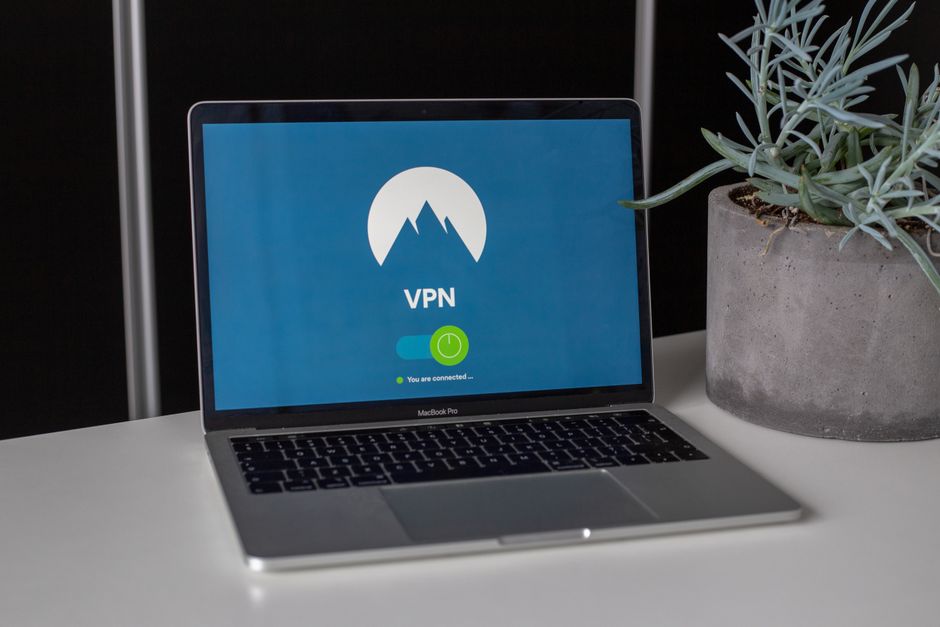
In a digital landscape increasingly fraught with surveillance, data breaches, and targeted advertising, the promise of online privacy feels like a dwindling resource. We navigate a world where every click, every search, every interaction leaves a breadcrumb trail, meticulously collected and analyzed by unseen entities. It’s no wonder then that a solution offering a cloak of invisibility, a shield against prying eyes, would be embraced with open arms. Enter the Virtual Private Network, or VPN, a technology designed to encrypt your internet traffic and mask your IP address, effectively creating a secure tunnel for your online activities. This sounds like an absolute godsend, doesn't it? A simple app, often just a click away, promising freedom, anonymity, and security.
The appeal is undeniable, particularly when that protection comes with a price tag of absolutely nothing. 'Free' VPNs proliferate app stores and search results, beckoning users with the siren song of effortless, cost-free digital liberation. They promise to safeguard your sensitive data, bypass geo-restrictions, and keep your online movements truly private, all without demanding a single penny from your wallet. It sounds almost too good to be true, and as the old adage wisely cautions, if something seems too good to be true, it almost certainly is. The dark underbelly of these seemingly benevolent services is a labyrinth of compromised privacy, hidden agendas, and often, outright malicious practices that can leave you far more exposed than if you had never used a VPN at all.
The Siren Song of Zero-Cost Security
The human inclination to seek out free alternatives is a powerful economic driver, and in the digital realm, it becomes a potent psychological lure. Why pay for a service when a functionally similar one is available at no cost? This question resonates deeply with millions, particularly those who are new to the concept of online privacy tools or who operate on a tight budget. The marketing often plays directly into these desires, using evocative language about digital freedom and anonymity, painting a picture of a benevolent service provider fighting for the common user against the monolithic forces of corporate and governmental surveillance. It’s a compelling narrative, one that has successfully drawn countless individuals into downloading and relying on these free services for their daily online activities.
However, this perceived benevolence masks a fundamental economic truth: running a robust, secure, and fast VPN service costs money. Significant money. There are server farms to maintain, bandwidth to purchase, developers to pay, customer support to staff, and constant security audits to conduct. These are not trivial expenses, and a legitimate, high-quality VPN provider invests heavily in these areas to ensure the integrity and performance of their service. So, when a service offers all of this for free, a critical question immediately arises: how are they sustaining themselves? Where is the revenue coming from if not from user subscriptions? This is where the illusion begins to unravel, revealing the intricate web of alternative monetization strategies that often come at the direct expense of user privacy and security.
Many users, perhaps out of a lack of technical understanding or simply an optimistic trust in digital services, don't pause to consider this crucial financial model. They assume that perhaps the service is funded by donations, or that it's a loss leader for some other, unspecified venture, or even that it’s simply a benevolent gift to the internet community. This naivety is precisely what many nefarious free VPN providers bank on. They understand that the average user prioritizes convenience and cost-savings over a deep dive into privacy policies or server infrastructure. This trust, once granted, becomes a commodity, a vulnerability that can be exploited in ways that are far more insidious than simply showing a few ads.
Unmasking the True Cost of 'Free' Digital Protection
The uncomfortable truth is that in the world of 'free' online services, if you aren't paying for the product, you *are* the product. This isn't a cynical take; it's a foundational principle of the digital economy. Free VPNs, just like free social media platforms or free email services, must find ways to generate revenue to cover their operational costs and ideally, turn a profit. And when direct subscription fees are off the table, the most valuable asset they have access to is you, the user, and more specifically, your data and your device's resources. This shift in the business model fundamentally alters the relationship between the service provider and the user, transforming what should be a privacy guardian into a potential data harvester.
The monetization strategies employed by free VPNs are varied and often opaque, ranging from the relatively benign to the overtly malicious. At the milder end of the spectrum, some might inject ads into your browsing experience, a nuisance but not necessarily a direct privacy threat beyond the tracking involved in ad delivery. However, the spectrum quickly darkens. Many free VPNs engage in extensive data collection, logging your browsing habits, the websites you visit, the apps you use, your location data, and even sensitive device information. This data, once collected, becomes a highly valuable asset that can be sold to third-party advertisers, data brokers, or even less scrupulous entities looking to build comprehensive profiles of internet users. Your digital footprint, which you sought to erase or obscure, is instead being meticulously mapped and monetized by the very service you trusted to protect it.
This monetization isn't always immediately apparent. It doesn't always manifest as a pop-up asking for your credit card. Instead, it operates in the background, silently siphoning off your digital essence, piece by piece. The cost isn't financial in the traditional sense; it's a cost paid in the currency of privacy, autonomy, and security. It means that your online behavior, once thought to be shielded, is instead being packaged and sold, contributing to the very surveillance economy you were trying to escape. This hidden transaction, this silent agreement where your data is exchanged for a seemingly free service, represents the true, and often devastating, cost of 'free' digital protection, rendering it not just ineffective, but actively detrimental to your privacy posture.