Real-World Triumphs and Tribulations Navigating the Digital Minefield
The theoretical underpinnings of firewalls and VPNs are fascinating, but the true impact of this digital cat-and-mouse game becomes evident when we look at real-world scenarios. It’s in the daily struggles of individuals seeking information, the strategic maneuvers of corporations protecting their data, and the quiet victories of activists bypassing oppressive regimes that the 'digital escape key' truly earns its name. From journalists reporting from hostile territories to students accessing educational resources blocked by school filters, the application of VPNs to circumvent digital barriers is incredibly diverse and often profoundly impactful. These aren't just technical curiosities; they are stories of resilience, ingenuity, and the persistent human drive for access to information and connection, illustrating how a piece of software can become a vital tool for freedom and opportunity.
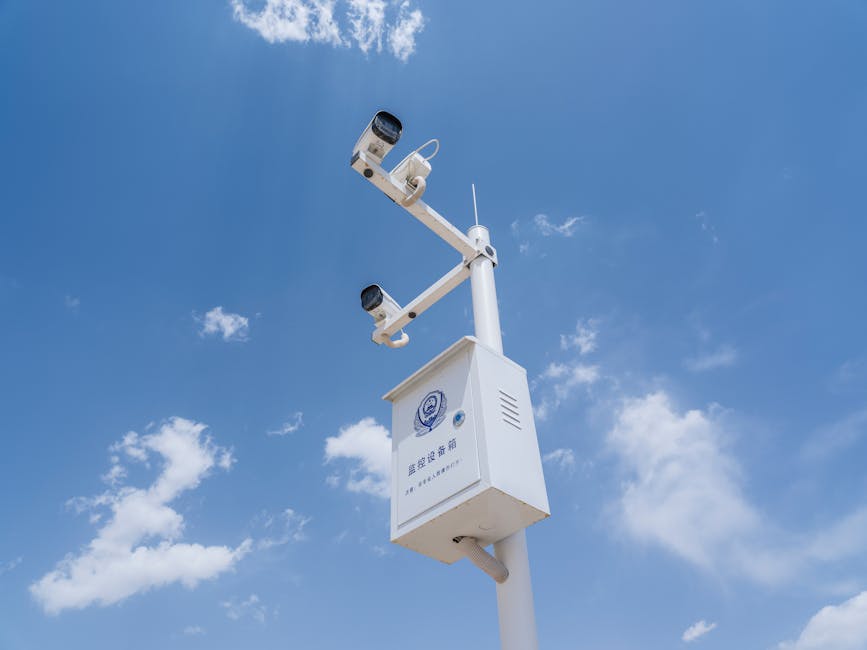
Consider the plight of citizens living under authoritarian regimes where internet censorship is a daily reality. Countries like China, Iran, and North Korea employ vast, technologically advanced firewalls to block access to social media, international news, encrypted messaging apps, and even certain academic resources. For individuals in these regions, a robust VPN with strong obfuscation capabilities isn't a luxury; it's a lifeline. It allows them to connect with the outside world, access uncensored news, communicate securely with loved ones, and engage in online activism without fear of immediate detection. I recall a conversation with a dissident journalist who described their VPN as "the air I breathe in the digital world," highlighting its critical role in their ability to report truthfully and maintain connections with their sources. The stakes are incredibly high, with the threat of severe penalties for those caught bypassing these digital walls, yet the need for unvarnished truth often outweighs the considerable risks, underscoring the profound importance of these tools.
The corporate world, while less dramatic, also presents compelling cases for firewall circumvention. Many companies, in an effort to boost productivity and prevent data exfiltration, implement stringent firewalls that block access to cloud storage services, personal email, and even certain development tools. While the intent might be benign, it can often stifle innovation and create unnecessary friction for employees who need legitimate access to these resources for their work. A developer, for example, might need to access GitHub or a specific API that the corporate firewall mistakenly flags as a security risk. A VPN, used responsibly and in accordance with company policy (if permitted), can provide a secure conduit to these necessary tools, allowing employees to perform their jobs efficiently without compromising network security. It’s about finding that delicate balance between control and enablement, ensuring that security measures don't inadvertently become barriers to legitimate work, thus impacting overall efficiency and morale within the organization.
Bypassing Geo-Blocks The Global Entertainment Frontier
Perhaps the most common, and certainly the most relatable, application of a VPN for bypassing digital barriers is the circumvention of geo-restrictions. We've all encountered the dreaded "This content is not available in your region" message when trying to stream a movie, listen to music, or access a specific website. These geo-blocks are primarily a result of licensing agreements and copyright laws, which dictate where certain content can be distributed. For example, a streaming service might only have the rights to show a particular movie in the United States, even though it's available worldwide. This creates a fragmented internet experience, where your access to entertainment and information is determined not by your subscription or your interests, but by your geographical coordinates, a truly frustrating vestige of an older, less connected world.
"Geo-blocking is a relic of an analog distribution model trying to survive in a digital age. VPNs are simply a technological response to an artificial limitation, allowing users to access content they often legally own or subscribe to, regardless of their physical location." - Sarah K. Miller, Digital Rights Advocate.
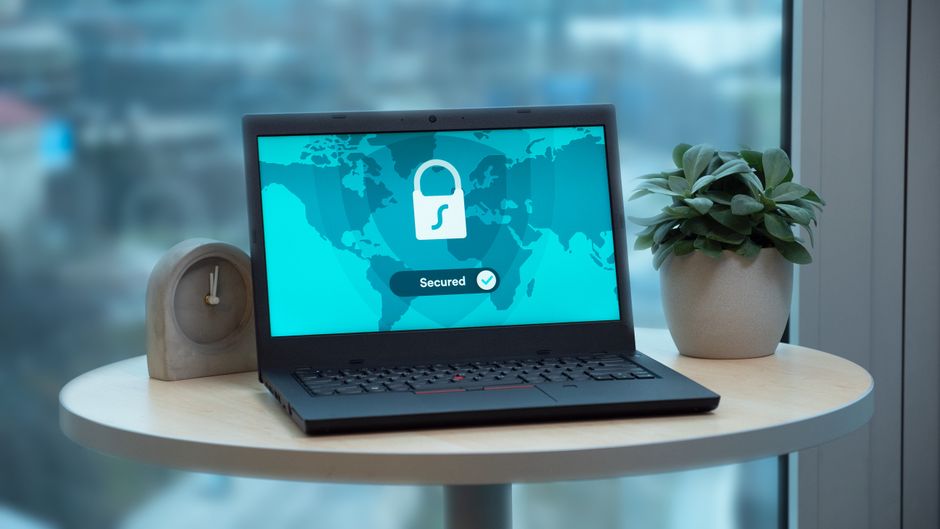
A VPN acts as your virtual teleportation device in this scenario. By connecting to a VPN server in a different country, you effectively trick the content provider into believing you are physically located in that region. So, if you're in Europe and want to watch a show only available on a U.S. streaming platform, you simply connect to a VPN server in the United States. Your IP address changes to a U.S. one, and suddenly, the streaming service grants you access. This isn't just about entertainment; it extends to accessing international news archives, research papers, and even online shopping deals that might be region-specific. The sheer volume of content made available through this simple act of digital relocation is staggering, turning a geographically constrained internet into a truly global one, at least from your perspective. It’s a powerful illustration of how a simple technological solution can overcome complex, commercially driven digital boundaries.
However, the battle against geo-blocks is also a dynamic one. Streaming services and content providers are constantly developing more sophisticated VPN detection mechanisms. They employ various techniques, such as blacklisting known VPN server IP addresses, analyzing DNS requests, and even checking for discrepancies between your IP address and your browser's language settings. This means that not all VPNs are equally effective at bypassing every geo-restriction. Premium VPN providers invest heavily in maintaining large networks of constantly refreshed IP addresses and implementing advanced obfuscation techniques to stay ahead of these detection efforts. It’s a continuous arms race, where users and VPN providers strive to maintain access, while content distributors work to enforce their regional agreements, creating a fascinating and ever-evolving landscape of digital access and restriction. Choosing the right VPN, therefore, becomes paramount in successfully navigating this complex global entertainment frontier, ensuring your digital escape key remains functional and effective.