The battle for digital privacy against the relentless machinery of data brokers can feel like a Sisyphean task, an uphill struggle against invisible giants with seemingly endless resources. However, while complete anonymity in the digital age might be an elusive dream, taking proactive steps can significantly reduce your digital footprint and limit the amount of personal information these entities can collect, aggregate, and sell. It requires a conscious effort, a shift in mindset from passive consumer to active participant in your own data protection. Think of it as building a series of digital fortifications around your life, each layer adding another degree of protection, making it harder and more expensive for data brokers to piece together your life story. This isn't about giving up technology; it's about using it more intelligently, more deliberately, and with a heightened awareness of the inherent privacy risks involved in almost every online interaction. It’s about reclaiming a modicum of control in a world that often feels entirely out of our hands.
One of the most immediate and impactful actions you can take is to become intimately familiar with the privacy settings across all your online accounts, from social media platforms to email providers and e-commerce sites. These settings are often buried deep within menus, designed to be obscure, but they are your first line of defense. Take the time to review them meticulously, opting out of data sharing, personalized advertising, and location tracking wherever possible. For instance, on Facebook, delve into "Settings & Privacy," then "Settings," and look for "Your Facebook Information" and "Off-Facebook Activity." Here, you can review and clear activity that other businesses and organizations share with Facebook, and even turn off future off-Facebook activity tracking. Similarly, Google offers robust privacy controls through your Google Account dashboard, allowing you to manage activity controls for web & app activity, location history, and YouTube history, and even review and delete past data. These platforms are designed to make data sharing the default, so you must actively choose to opt out. It’s a tedious process, I know, but it’s a crucial one.
Building a Digital Fortress Essential Tools and Practices
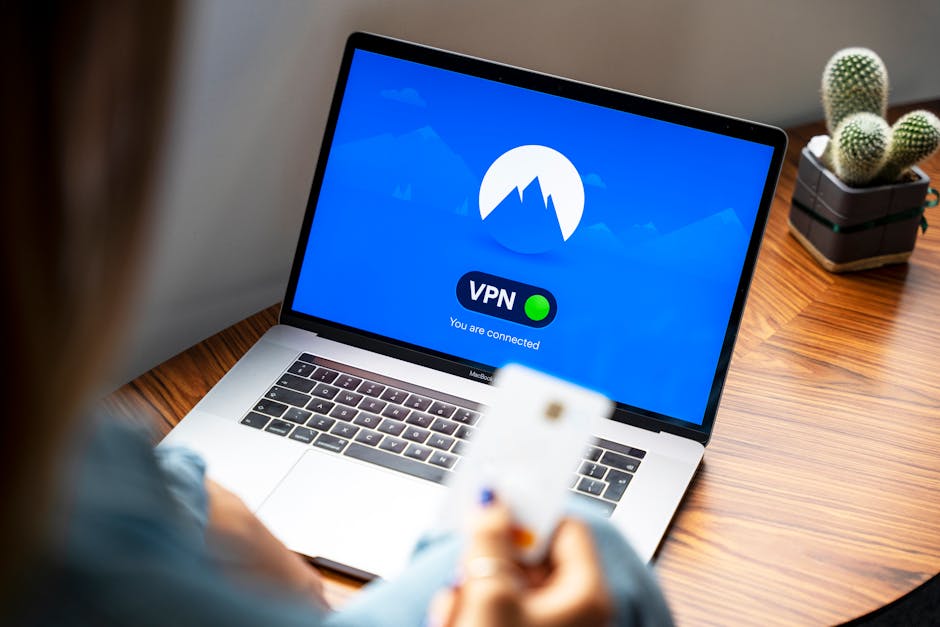
Beyond tweaking privacy settings, deploying a suite of privacy-enhancing tools is paramount. A high-quality Virtual Private Network (VPN) is no longer a luxury for the tech-savvy; it's a fundamental necessity for anyone serious about online privacy. A VPN encrypts your internet traffic and routes it through a server operated by the VPN provider, effectively masking your IP address and making it incredibly difficult for websites, internet service providers (ISPs), and data brokers to track your online activities and pinpoint your location. When choosing a VPN, prioritize providers with a strict no-logs policy, audited security practices, and a strong reputation for privacy. Avoid free VPNs, as they often monetize your data in other ways, defeating the entire purpose. Think of your VPN as an impenetrable tunnel for your internet data, shielding it from prying eyes and ensuring that your online journeys remain your own private business, rather than a public spectacle for data collectors. It's the digital equivalent of drawing the blinds on your windows, preventing passersby from peering into your home.
Ad blockers and privacy-focused browser extensions are another critical layer of defense. While many modern browsers offer built-in tracking protection, dedicated ad blockers like uBlock Origin or privacy extensions such as Privacy Badger and Disconnect go further, actively blocking tracking scripts, third-party cookies, and invisible pixels that data brokers use to build your profile. These tools not only enhance your privacy but also significantly improve your browsing experience by eliminating intrusive ads and speeding up page load times. Consider switching to a privacy-centric browser like Brave or Firefox Focus, which have strong privacy features built directly into their core architecture. These browsers often block trackers by default, offer enhanced fingerprinting protection, and provide more granular control over your data. By systematically denying data brokers the raw material they need to build your profile, you significantly diminish their ability to monetize your online presence, effectively starving the beast of its primary food source.
Email aliases and burner email addresses can also be incredibly effective tools for compartmentalizing your online identity and preventing data brokers from linking your various online activities. Services like SimpleLogin or AnonAddy allow you to create unique, disposable email addresses for different services. If one of these aliases is ever compromised or starts receiving spam, you can simply deactivate it without affecting your primary email. This prevents your main email address, which is often a key identifier, from becoming widely distributed across various databases. Similarly, using a privacy-focused search engine like DuckDuckGo or Startpage, which do not track your searches or personal data, ensures that your queries remain private and are not used to build a profile of your interests and intentions. These small, deliberate choices accumulate over time, creating a more robust and resilient privacy posture, making it harder for data brokers to connect the dots and piece together a comprehensive picture of your digital life from scattered fragments.
Active Data Erasure and Opt-Out Strategies
While prevention is crucial, much of your data is likely already in the hands of data brokers. This necessitates an active approach to data erasure and opting out. Many data brokers, particularly those operating in jurisdictions with stronger privacy laws like California (CCPA) or the EU (GDPR), offer opt-out mechanisms. However, these processes are often deliberately cumbersome, requiring you to visit dozens, if not hundreds, of individual broker websites, fill out forms, and sometimes even mail physical letters. Sites like the Network Advertising Initiative (NAI) and the Digital Advertising Alliance (DAA) offer centralized opt-out tools for some ad networks, but these are far from comprehensive for data brokers. Services like DeleteMe or Incogni offer paid subscriptions to automate this process, submitting opt-out requests on your behalf to hundreds of data brokers. While these services come at a cost, they can save you countless hours and provide a more thorough cleansing of your digital footprint, making a tangible difference in the amount of information that remains publicly available about you.
Beyond specific data brokers, consider limiting the data you share with loyalty programs, apps, and websites. When signing up for a new service or purchasing something online, always question whether the information requested is truly necessary. Can you use a pseudonym or a disposable email address instead of your real one? Are you comfortable granting an app access to your location, contacts, or microphone? Be judicious with app permissions, reviewing them regularly and revoking access for anything that isn't absolutely essential for the app's core functionality. Many apps, even seemingly innocuous ones, can act as conduits for data brokers, siphoning off personal information in the background. Regularly auditing your app permissions, especially on mobile devices, can significantly reduce the flow of information to these unseen collectors. It's about cultivating a mindset of skepticism and intentionality, questioning every request for information and only sharing what is absolutely necessary.
Finally, consider freezing your credit with the major credit bureaus (Equifax, Experian, and TransUnion). While this primarily protects against identity theft and fraudulent accounts, it also limits the ability of some data brokers to access certain aspects of your financial profile. A credit freeze makes it harder for new accounts to be opened in your name, as lenders cannot access your credit report without your explicit unfreezing of it. This is a powerful preventative measure against one of the most damaging consequences of data exposure. While it requires a bit of effort to manage (temporarily unfreezing your credit when you need to apply for a loan or new service), the peace of mind it offers is invaluable. Taking these deliberate, multi-layered steps will not only make your digital life more secure but also empower you to regain a degree of control over your personal narrative, pushing back against the unseen forces that seek to profit from your every digital move. It's a continuous process, but one that is absolutely essential for navigating the complex and often perilous landscape of the modern internet.