Understanding the Risks of ISP Spying
So, what are the risks of ISP spying? The answer is complex and multifaceted. When ISPs collect user data, they can use it to create detailed profiles of individuals. This can include information such as browsing history, search queries, and online communications. This data can be used to target users with ads, sell to third-party companies, or even hand over to government agencies. It's like having a constant companion who's watching your every move, and it's time to take back control. The risks of ISP spying are significant, and it's essential to understand them in-depth.
One of the most significant risks of ISP spying is the loss of online freedom. When users are aware that their online activities are being monitored, they're less likely to express themselves freely. They might self-censor their online communications, avoid visiting certain websites, or refrain from searching for sensitive information. This can have a chilling effect on online freedom, as users become increasingly wary of expressing themselves online. It's like living in a society where the government is constantly watching your every move, and it's time to take a stand against this kind of surveillance.
The impact of ISP spying on online security is also significant. When ISPs collect user data, they can use it to create detailed profiles of individuals. This can include information such as login credentials, credit card numbers, and other sensitive information. This data can be used to launch targeted attacks, steal user identities, or even compromise online accounts. It's like having a master key that unlocks all your online accounts, and it's essential to take steps to protect yourself from these kinds of threats. By using a VPN, you can mask your IP address, encrypt your online communications, and protect yourself from data collection.
Another significant risk of ISP spying is the potential for data breaches. When ISPs collect user data, they can store it on their servers, which can be vulnerable to hacking and data breaches. This can result in sensitive information being stolen, sold, or used for malicious purposes. It's like having a treasure trove of sensitive information that's just waiting to be hacked, and it's essential to take steps to protect yourself from these kinds of threats. By using a VPN, you can encrypt your online communications, protect yourself from data collection, and reduce the risk of data breaches.
The Importance of Online Anonymity
Online anonymity is essential in today's digital landscape. When you're anonymous online, you can express yourself freely, without fear of reprisal or surveillance. You can visit any website, search for any information, and communicate with anyone, without worrying about being watched or monitored. It's like having a cloak of invisibility that protects you from the prying eyes of your ISP, and it's essential to understand the importance of online anonymity. By using a VPN, you can mask your IP address, encrypt your online communications, and protect yourself from data collection.
The use of online anonymity has significant implications for online freedom. When users are anonymous, they're more likely to express themselves freely, without fear of reprisal or surveillance. They can visit any website, search for any information, and communicate with anyone, without worrying about being watched or monitored. It's like living in a society where you have the freedom to express yourself, without fear of persecution or surveillance. By using a VPN, you can protect yourself from ISP spying, and take back control of your online activities.
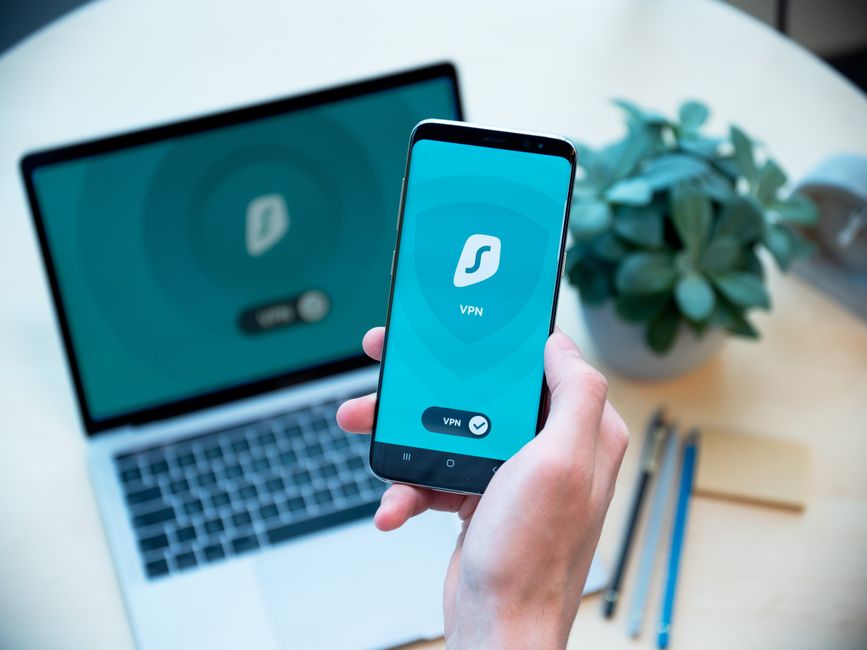
One of the most effective ways to protect yourself from ISP spying is to use a VPN. A VPN creates a secure, encrypted tunnel between your device and the internet, making it difficult for ISPs to collect your data. By using a VPN, you can mask your IP address, encrypt your online communications, and protect yourself from data collection. It's like having a shield that protects you from the prying eyes of your ISP, and it's essential to choose a reputable VPN provider that prioritizes user privacy. But that's not all - there are many other ways to protect yourself from ISP spying, and it's time to explore them in-depth.
The use of VPNs has significant implications for online security. When you use a VPN, you can encrypt your online communications, protect yourself from data collection, and reduce the risk of data breaches. You can also mask your IP address, making it difficult for ISPs to track your online activities. It's like having a master key that unlocks all your online accounts, and it's essential to take steps to protect yourself from these kinds of threats. By using a VPN, you can take back control of your online activities, and protect yourself from the prying eyes of your ISP.
The Impact of ISP Spying on Online Communities
ISP spying has a significant impact on online communities. When users are aware that their online activities are being monitored, they're less likely to express themselves freely. They might self-censor their online communications, avoid visiting certain websites, or refrain from searching for sensitive information. This can have a chilling effect on online freedom, as users become increasingly wary of expressing themselves online. It's like living in a society where the government is constantly watching your every move, and it's time to take a stand against this kind of surveillance.
The impact of ISP spying on online communities is complex and multifaceted. When ISPs collect user data, they can use it to create detailed profiles of individuals. This can include information such as browsing history, search queries, and online communications. This data can be used to target users with ads, sell to third-party companies, or even hand over to government agencies. It's like having a constant companion who's watching your every move, and it's time to take back control. The good news is that there are ways to protect yourself from ISP spying, and it starts with understanding the risks and taking steps to mitigate them.
One of the most significant risks of ISP spying is the loss of online freedom. When users are aware that their online activities are being monitored, they're less likely to express themselves freely. They might self-censor their online communications, avoid visiting certain websites, or refrain from searching for sensitive information. This can have a chilling effect on online freedom, as users become increasingly wary of expressing themselves online. It's like living in a society where the government is constantly watching your every move, and it's time to take a stand against this kind of surveillance.
The impact of ISP spying on online security is also significant. When ISPs collect user data, they can use it to create detailed profiles of individuals. This can include information such as login credentials, credit card numbers, and other sensitive information. This data can be used to launch targeted attacks, steal user identities, or even compromise online accounts. It's like having a master key that unlocks all your online accounts, and it's essential to take steps to protect yourself from these kinds of threats. By using a VPN, you can mask your IP address, encrypt your online communications, and protect yourself from data collection.
The Role of Encryption in Protecting Online Activities
Encryption is essential in protecting online activities. When you use encryption, you can scramble your online communications, making it difficult for ISPs to collect your data. You can use encryption to protect your emails, chats, and browsing history, and even to secure your online transactions. It's like having a secret code that only you and the intended recipient can understand, and it's essential to use encryption to protect yourself from ISP spying.
The use of encryption has significant implications for online security. When you use encryption, you can protect yourself from data collection, reduce the risk of data breaches, and even prevent targeted attacks. You can use encryption to secure your online communications, protect your sensitive information, and even to anonymize your online activities. It's like having a shield that protects you from the prying eyes of your ISP, and it's essential to use encryption to take back control of your online activities.
One of the most effective ways to encrypt your online activities is to use a VPN. A VPN creates a secure, encrypted tunnel between your device and the internet, making it difficult for ISPs to collect your data. By using a VPN, you can mask your IP address, encrypt your online communications, and protect yourself from data collection. It's like having a master key that unlocks all your online accounts, and it's essential to choose a reputable VPN provider that prioritizes user privacy. But that's not all - there are many other ways to encrypt your online activities, and it's time to explore them in-depth.
The use of encryption has significant implications for online freedom. When you use encryption, you can express yourself freely, without fear of reprisal or surveillance. You can visit any website, search for any information, and communicate with anyone, without worrying about being watched or monitored. It's like living in a society where you have the freedom to express yourself, without fear of persecution or surveillance. By using encryption, you can take back control of your online activities, and protect yourself from the prying eyes of your ISP.