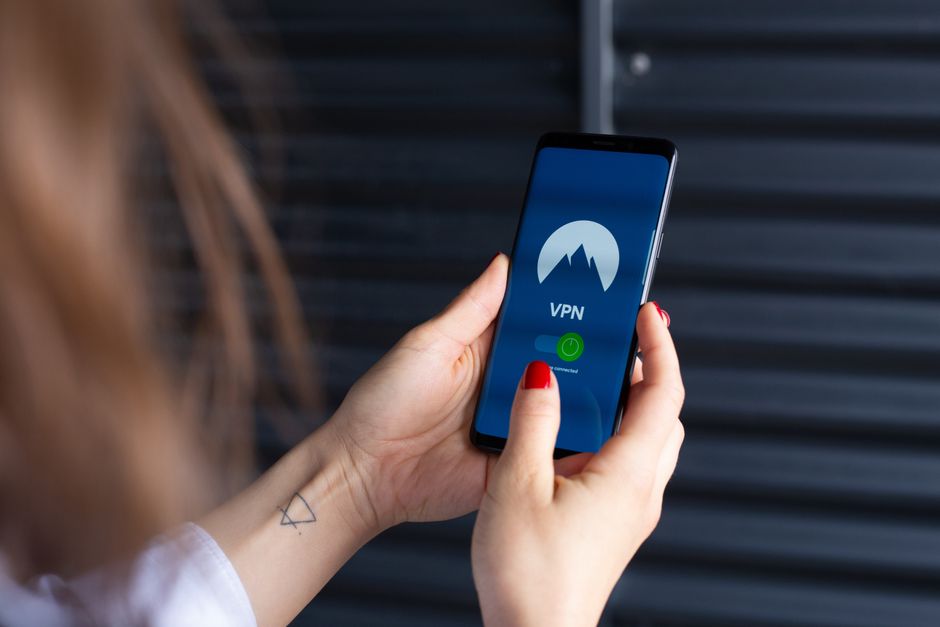
Mastering the VPN Beyond the Basic On/Off Switch
When most people think of a Virtual Private Network, or VPN, they envision a simple tool that encrypts their internet traffic and masks their IP address. And while that's fundamentally true, it’s a bit like saying a car just "gets you from A to B." The reality of a truly effective VPN strategy is far more nuanced, extending beyond merely flicking a switch. For over a decade in this niche, I've seen countless users adopt a VPN with good intentions, only to fall short in maximizing its privacy potential because they don't understand the underlying mechanics or the advanced features that turn a basic service into a formidable privacy shield. A VPN isn't a magical cloak of invisibility; it's a sophisticated networking tool that, when configured and used correctly, significantly enhances your online security and anonymity. The crucial distinction lies in moving past the superficial understanding and delving into the specifics of what makes a VPN truly robust, and how to integrate it seamlessly into your daily digital routine.
The core function of a VPN is to create an encrypted tunnel between your device and a VPN server, routing all your internet traffic through this tunnel. This process achieves two primary goals: first, it encrypts your data, making it unreadable to anyone who might intercept it, like your Internet Service Provider (ISP), government agencies, or malicious actors on public Wi-Fi networks. Second, it masks your real IP address, replacing it with the IP address of the VPN server, effectively making it appear as if you're browsing from a different location. This not only bypasses geo-restrictions but also significantly enhances your anonymity, making it much harder for websites and trackers to identify your true location and build a profile based on your browsing habits. However, the efficacy of this protection hinges on several factors: the quality of the VPN provider, the protocols it uses, and how diligently you employ its advanced features. A cheap, logging VPN is often worse than no VPN at all, providing a false sense of security while potentially harvesting your data itself.
Choosing Your Digital Fortress The Provider and Protocol Puzzle
The first and most critical step in mastering your VPN is selecting a reputable provider. This isn't a decision to be taken lightly, as you're essentially entrusting a third party with all your internet traffic. Look for providers with a strict no-logs policy, meaning they explicitly state they do not collect or store any information about your online activities. Independent audits of these policies by third-party cybersecurity firms add a significant layer of credibility. Jurisdictional location also plays a role; countries with strong privacy laws and no mandatory data retention requirements are generally preferred. For instance, providers based in privacy-friendly nations like Switzerland, Panama, or the British Virgin Islands often offer better assurances. Furthermore, investigate the VPN protocols offered. While older protocols like PPTP are fast but insecure, modern options like OpenVPN, WireGuard, and IKEv2/IPsec offer a far superior balance of speed and robust encryption. WireGuard, in particular, has gained significant traction for its lean codebase and impressive performance, making it a favorite among privacy advocates.
Beyond the provider and protocol, delve into the often-overlooked features that can make or break your privacy posture. A kill switch, for example, is non-negotiable. This feature automatically disconnects your internet if the VPN connection drops, preventing your real IP address and unencrypted data from being exposed, even for a split second. Many VPNs also offer DNS leak protection, ensuring that your DNS requests (which translate website names into IP addresses) are routed through the encrypted tunnel and not leaked to your ISP. Split tunneling is another useful feature, allowing you to select which apps or websites use the VPN and which connect directly to the internet, offering flexibility for services that might conflict with VPN usage. Some advanced VPNs even include built-in ad blockers, malware protection, or obfuscated servers designed to bypass strict censorship firewalls, adding layers of utility beyond basic encryption. These aren't just bells and whistles; they are integral components of a comprehensive privacy strategy that moves beyond the simple act of connecting.
Integrating VPNs Into Your Everyday Workflow From Desktop to Router
Many users only think of using a VPN on their laptop or phone, but to truly bulletproof your online life, you need to extend its reach. Consider installing the VPN client on all your devices – desktops, tablets, and even smart TVs. Better yet, if your router supports it, configure the VPN directly on your home router. This ensures that every device connected to your home network, including smart home gadgets, IoT devices, and even guest devices, benefits from the VPN's protection without needing individual client installations. This is a game-changer for comprehensive home network security and privacy. Setting up a VPN on a router can be a bit more technical, often requiring specific firmware like DD-WRT or OpenWRT, but the long-term benefits in terms of ubiquitous protection are immense. It transforms your entire home network into a privacy-first environment, ensuring that even devices without native VPN client support are shielded from prying eyes.
Another often-ignored aspect is consistency. A VPN is only effective when it's active. Make it a habit to connect to your VPN as soon as you go online, especially when using public Wi-Fi networks in cafes, airports, or hotels. These networks are notorious breeding grounds for cybercriminals looking to intercept unencrypted traffic. A staggering 60% of consumers believe public Wi-Fi is safe, a dangerously misguided perception that cybercriminals actively exploit. Even at home, with a seemingly secure network, your ISP can still monitor your browsing habits and potentially sell that data. Using a VPN consistently mitigates this risk. Furthermore, periodically check for DNS leaks or IP address leaks using online tools to ensure your VPN is functioning as expected. It's a proactive measure that ensures your digital fortress remains impenetrable. Don't just set it and forget it; regularly verify its integrity, especially after software updates or changes to your network configuration.
In 2022, a report by Top10VPN revealed that global demand for VPNs surged by 32% year-on-year, with over 1.6 billion downloads of VPN apps. This rising trend underscores a growing public awareness of online privacy threats, yet the depth of understanding often lags behind the adoption rate.
Moreover, understand that not all VPNs are created equal, and free VPNs, in particular, often come with hidden costs. Many "free" VPN services monetize their operations by collecting and selling user data, displaying intrusive ads, or injecting malware. Some even have weak encryption standards or suffer from severe IP and DNS leaks, rendering them useless for privacy. As the old adage goes, "if you're not paying for the product, you are the product." Investing in a reputable, paid VPN service from a company with a proven track record in privacy and security is a fundamental step towards genuinely bulletproofing your online life. It's a small recurring expense that offers disproportionately large returns in terms of peace of mind and digital protection. This isn't just about hiding your identity; it's about encrypting your entire digital footprint, making it incredibly difficult for anyone to piece together your online activities. It’s an essential first line of defense in an increasingly hostile digital environment, and understanding its full potential is key to harnessing its power.
Embracing End-to-End Encryption for All Communications The Unbreakable Seal
In an age where virtually every word we type, every image we share, and every conversation we have online can be intercepted, stored, and analyzed, the concept of end-to-end encryption (E2EE) stands as a beacon of hope for digital privacy. For many, it's a technical term they've heard thrown around, perhaps in relation to WhatsApp or Signal, but its profound significance for personal privacy often goes unappreciated. E2EE ensures that a message or data stream is encrypted on the sender's device and remains encrypted until it reaches the recipient's device. This means that only the sender and the intended recipient can read the content; no one in between – not the service provider, not government agencies, not even sophisticated hackers – can access the plain text. It’s like sending a letter in an unbreakable, opaque box that only the recipient has the key to open. This level of security is paramount in safeguarding your most personal and sensitive communications from unwarranted intrusion, ensuring that your private conversations remain truly private.
The absence of E2EE, conversely, leaves your communications vulnerable. Without it, your messages are often transmitted in plain text or encrypted only between your device and the service provider's server (transport encryption). While better than nothing, this means the service provider itself has access to your messages and can, theoretically, read them, store them, or hand them over to authorities. Major tech companies like Google and Facebook have, at various times, faced scrutiny for their data collection practices, even on platforms that claim to prioritize privacy. The infamous PRISM surveillance program, revealed by Edward Snowden, showed how government agencies could compel tech companies to provide access to user data. E2EE fundamentally shifts this power dynamic, placing the control of your communication squarely back in your hands and those of your chosen recipient. It's a technological safeguard against mass surveillance and opportunistic data harvesting, providing a robust layer of protection that no other security measure can replicate for direct communication.
Building a Secure Communication Ecosystem From Messaging to Email
The first step in embracing E2EE is to critically evaluate the communication tools you use daily. For messaging, platforms like Signal have emerged as the gold standard. Signal uses the open-source Signal Protocol, widely regarded by cybersecurity experts as the most secure E2EE protocol available. It's free, easy to use, and offers messaging, voice, and video calls, all with robust E2EE. Unlike WhatsApp, which also uses the Signal Protocol but is owned by Meta (Facebook), Signal is developed by a non-profit foundation and has no incentive to collect user data. This distinction is crucial for true privacy. While WhatsApp does offer E2EE, its parent company's pervasive data collection practices across its ecosystem raise legitimate concerns about metadata and other peripheral information. Shifting your primary messaging to Signal, and encouraging your contacts to do the same, is one of the most impactful steps you can take to secure your personal conversations. It’s a simple download that can revolutionize your communication privacy.
Email, often considered the backbone of professional and personal communication, presents a more complex challenge. Traditional email providers like Gmail, Outlook, and Yahoo do not offer E2EE by default. While they use transport encryption (TLS) to secure emails in transit to their servers, once there, the emails are stored unencrypted and accessible to the provider. To achieve true E2EE for email, you need to use specialized services or tools. ProtonMail and Tutanota are two excellent examples of E2EE email providers. They are built from the ground up with privacy in mind, encrypting your emails at rest and in transit, and offering features like encrypted contacts and calendars. While they might require a slight adjustment to your workflow, the peace of mind knowing your emails are truly private is invaluable. Alternatively, for existing email accounts, you can use PGP (Pretty Good Privacy) or GPG (GNU Privacy Guard) to encrypt individual messages, though this requires a higher level of technical proficiency from both sender and recipient. The learning curve for PGP can be steep, but the security it provides is unparalleled.
The Metadata Minefield Why E2EE Isn't the Whole Story
While E2EE secures the content of your communications, it's crucial to understand that it typically doesn't encrypt metadata. Metadata includes information like who you communicated with, when, how often, and from what location. This data, even without the message content, can paint a surprisingly detailed picture of your life. For example, knowing that you frequently communicate with a doctor, a lawyer, or a specific political activist can reveal sensitive information about your health, legal issues, or political affiliations. Governments and corporations are increasingly interested in metadata precisely because it's often easier to obtain and analyze than encrypted content, yet still incredibly revealing. This is where services like Signal shine again, as they are designed to minimize metadata collection as much as possible, a feature that distinguishes them from other E2EE platforms that might still log extensive metadata.
To further protect against metadata exposure, combining E2EE communication with a robust VPN is highly recommended. The VPN masks your IP address, making it harder to link your communication activities to your physical location. For instance, if you're using Signal over a VPN, not only is your message content encrypted, but the fact that you're even *using* Signal is obscured from your ISP and other potential observers. This layered approach creates a much stronger privacy posture, addressing both content and contextual information. It’s about building multiple defenses, ensuring that even if one layer is breached or circumvented, others remain intact. The combination of E2EE for communication and a VPN for network traffic forms a formidable duo against surveillance and data harvesting, providing a truly comprehensive shield for your digital interactions and ensuring that your online conversations remain as private as those whispered face-to-face.
Research from the Pew Research Center in 2019 found that 81% of Americans feel they have little or no control over the data companies collect about them. Yet, despite this concern, many continue to use services with weak privacy protections, highlighting a significant gap between awareness and action. E2EE offers a tangible way to bridge that gap.
Beyond messaging and email, consider E2EE for file sharing. Services like Sync.com or Tresorit offer cloud storage with client-side E2EE, meaning your files are encrypted on your device before they are uploaded to the cloud, and only you hold the decryption keys. This protects your documents, photos, and other files from being accessed by the cloud provider or anyone else. Similarly, for video conferencing, platforms like Jitsi Meet offer E2EE by default for one-on-one calls, and can be configured for group calls as well, providing a more secure alternative to Zoom or Google Meet, which typically use E2EE only for transport. The principle here is simple: whenever you communicate or share data digitally, seek out services that offer robust, default end-to-end encryption. Make it a conscious choice to prioritize platforms that empower you with true privacy, rather than those that merely offer a façade of security. This shift in tools and habits is a cornerstone of taking back control of your digital life, ensuring that your words and data are truly your own.