Selecting Your Digital Passport What to Look for in a Premium VPN
Choosing the right VPN is akin to selecting the perfect digital passport for your global internet adventures. It's not a decision to be taken lightly, as the quality of your VPN directly impacts your ability to unblock content, the speed of your connection, and most importantly, the security and privacy of your online activities. In a market saturated with countless providers, distinguishing between a robust, trustworthy service and a potentially risky, underperforming one can be challenging. My decade of experience in this field has taught me that while the allure of a "free VPN" might be strong, it almost always comes with significant compromises, often sacrificing speed, server availability, security, and sometimes even selling your data to third parties. Therefore, my strong recommendation is to invest in a premium, paid VPN service. These providers have the resources to maintain vast server networks, develop cutting-edge security features, and offer reliable customer support, ensuring a superior and safer experience.
When you're evaluating premium VPNs, several critical features should be at the top of your checklist. First and foremost is a vast and diverse server network. The more servers a VPN has, and the more countries they are located in, the better your chances of finding a fast, unblocked connection to access geo-restricted content. A large network also means less congestion, leading to better speeds. Next, prioritize strong encryption and security protocols. Look for industry-standard protocols like OpenVPN, WireGuard, or IKEv2/IPSec, coupled with AES-256 encryption. These are the gold standard for securing your data. A robust no-logs policy is also non-negotiable; this means the VPN provider does not track, collect, or store any information about your online activities, ensuring your privacy remains intact. This policy should ideally be independently audited to provide verifiable assurance. Another crucial feature is a kill switch, which automatically cuts your internet connection if the VPN drops unexpectedly, preventing any accidental exposure of your real IP address or unencrypted data. Similarly, DNS leak protection is vital to ensure your DNS requests are routed securely through the VPN, preventing your ISP from seeing your browsing activity.
Beyond these core security and network features, consider factors that enhance your user experience. Blazing fast speeds are paramount, especially if you plan on streaming HD video or engaging in online gaming. Look for VPNs that consistently rank high in speed tests. Device compatibility is also important; ensure the VPN offers dedicated apps for all your devices, whether it's Windows, macOS, Android, iOS, Linux, smart TVs, or even routers. Responsive 24/7 customer support can be a lifesaver if you encounter any issues, particularly when trying to unblock specific streaming services. Finally, evaluate the pricing and money-back guarantee. While premium VPNs cost money, they offer immense value. Look for providers that offer a generous money-back guarantee, allowing you to test the service risk-free before committing long-term. Remember, a good VPN is an investment in your digital freedom, privacy, and security, making the selection process a critical step in truly unlocking the entire internet and transforming your online experience from restricted to boundless.
A Step-by-Step Journey Setting Up Your VPN for Instant Access
So, you've done your research, weighed the options, and committed to a premium VPN service. Excellent choice! Now comes the exciting part: setting it up and experiencing the freedom of a truly global internet. The process is surprisingly straightforward, designed to be user-friendly even for those who aren't tech-savvy. You won't need to be a network engineer to get this working; most reputable VPNs have streamlined their applications to be as intuitive as possible. The journey begins right after you've subscribed to your chosen provider. You'll typically receive an email with your account credentials and links to download their dedicated applications for your various devices. This is where the magic starts, transforming your device into a gateway to unrestricted online access with just a few clicks, making the entire world wide web truly wide for your personal consumption and exploration.
-
Download and Install the Application: Head over to your VPN provider's website or your device's app store (Google Play Store for Android, Apple App Store for iOS, or the respective download page for Windows/macOS/Linux). Download the appropriate application for your operating system. Once downloaded, run the installer and follow the on-screen prompts. This usually involves agreeing to terms, selecting an installation location, and then waiting a minute or two for the software to be installed. It’s no more complicated than installing any other piece of software on your computer or phone, designed for maximum ease of use for the average internet user.
-
Log In to Your Account: After the installation is complete, launch the VPN application. You'll be prompted to log in using the credentials you created during your subscription process. Enter your username and password, and the application will authenticate your account. Some VPNs might offer a guided tour of their interface at this point, which can be helpful for new users to familiarize themselves with the various settings and features available within the application, ensuring you make the most of your new digital tool.
-
Choose Your Server Location: This is the crucial step for unlocking geo-restricted content. The VPN app will typically present you with a list of countries or even specific cities where its servers are located. If you want to access US Netflix, select a server in the United States. If you're aiming for BBC iPlayer, choose a UK server. Many apps have a "Recommended" or "Fastest Server" option, but for geo-unblocking, you need to be deliberate about your choice. Some apps even let you search for specific cities or show server load, which can influence your speed. Take a moment to browse the options and pick the country that hosts the content you wish to access.
-
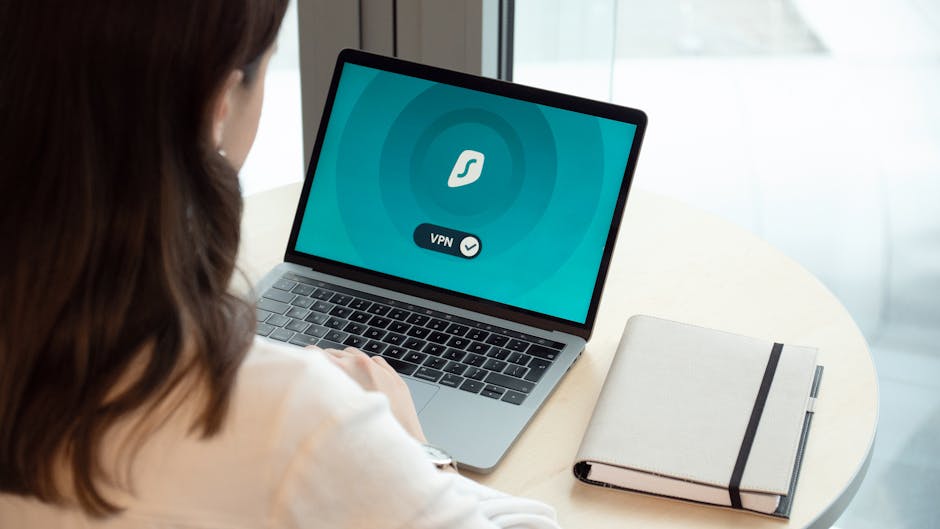
Connect to the VPN: Once you've selected your desired server location, simply click the "Connect" button (or similar, often a large power button icon). The VPN application will then establish a secure, encrypted connection to that server. You'll usually see an indicator, like a green light or a confirmation message, letting you know that you are successfully connected. At this point, your device's IP address has been masked, and your internet traffic is now routing through the chosen server, making it appear as if you are physically located in that country. It's truly that simple to virtually teleport yourself across the globe, opening up a world of possibilities.
-
Verify Your Connection (Optional but Recommended): To double-check that your VPN is working correctly and your IP address has indeed changed, you can visit a website like "What Is My IP Address" or "IPLeak.net" *before* connecting to the VPN and then again *after* connecting. You should see a different IP address and a different geographical location displayed when the VPN is active. This quick verification step provides peace of mind, confirming that your digital passport is stamped with the correct virtual location and you’re ready to explore.
If you encounter any issues, such as a streaming service still blocking you, don't panic. First, try clearing your browser's cache and cookies, as these can sometimes store your previous location data. Then, try connecting to a different server within the same country. VPN providers often have multiple servers in each region, and some might be more optimized for streaming or less detected by geo-blocking systems. If problems persist, reach out to your VPN provider's customer support; they are usually very adept at guiding you to the best server for specific services. With these simple steps, you'll be well on your way to enjoying a truly unlocked internet experience, empowered by your new digital secret weapon.
Maximizing Your Unlocked Internet Beyond Just Streaming
Now that you've mastered the art of setting up your VPN, it's time to fully embrace the vast potential of your unlocked internet. While streaming geo-restricted content and catching live sports are undoubtedly thrilling applications, the benefits of using a VPN extend far beyond mere entertainment. This powerful tool fundamentally reshapes your entire online experience, offering enhanced security, privacy, and even economic advantages that you might not have considered. It's about taking control of your digital life, ensuring you're not just a passive consumer but an active participant who can navigate the web on your own terms, free from arbitrary restrictions and pervasive surveillance. Think of your VPN not just as a content unblocker, but as a comprehensive digital toolkit that empowers you in myriad ways, making your online interactions safer, more private, and more efficient across the board.
One significant area where a VPN shines is in bypassing price discrimination. Many online retailers, airlines, car rental companies, and even software vendors adjust their prices based on your geographical location and perceived purchasing power. By connecting to a VPN server in a country with a lower cost of living or different market dynamics, you can often find significantly cheaper deals on flights, hotels, software subscriptions, and other online purchases. I've personally saved hundreds of dollars on international flights simply by changing my virtual location to a different country. This smart shopping strategy turns your VPN into a money-saving machine, allowing you to leverage the global marketplace to your financial advantage. Furthermore, for those who engage in torrenting, a VPN is almost a non-negotiable tool. It encrypts your connection and masks your IP address, protecting your identity and privacy from potential legal issues or malicious actors that can often be associated with peer-to-peer file sharing. It ensures that your activity remains private, even in a decentralized network, keeping you secure while you share and download files.
Beyond these practical benefits, a VPN significantly enhances your online banking and shopping security. When you connect to public Wi-Fi networks, your financial transactions are vulnerable to interception. By encrypting your data, a VPN creates a secure tunnel, protecting your sensitive financial information from hackers. This means you can confidently check your bank balance, make online purchases, or manage your investments even when you're on the go. For online gamers, a VPN can also be a surprising advantage. By connecting to a server closer to the game's servers, you can sometimes experience lower ping and reduced lag, leading to a smoother and more responsive gaming experience, particularly for competitive online titles. It can also help bypass region-locked games or access game servers in different geographical locations. Ultimately, maintaining vigilance and best practices for ongoing use is key. Always keep your VPN software updated, regularly check your connection status, and be mindful of the specific terms of service for any platform you're accessing. By embracing these capabilities and staying informed, you're not just unlocking the internet; you're fundamentally transforming your digital life into a more secure, private, and truly limitless experience, ready to explore every corner of the web without boundaries.