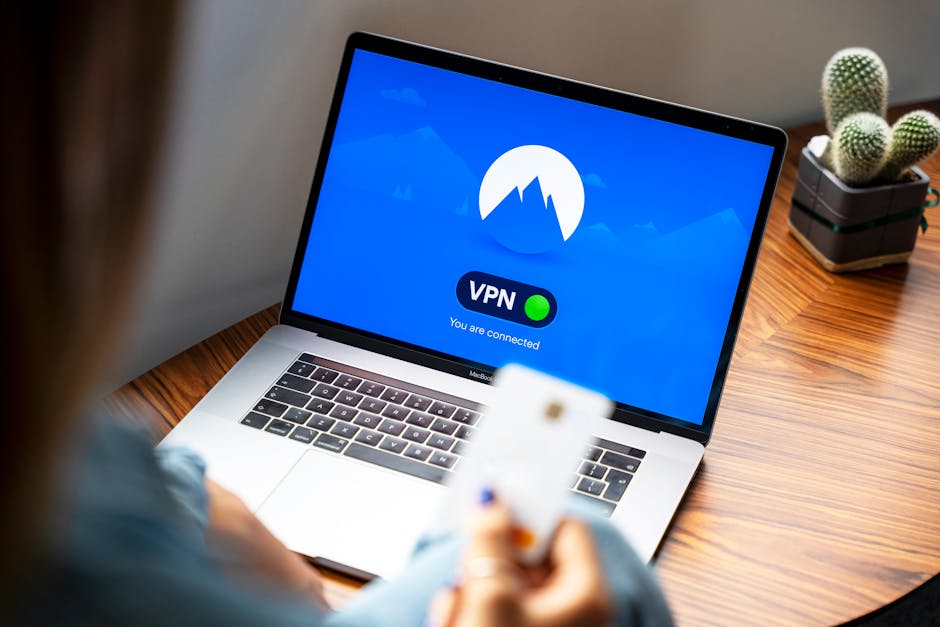
The digital world, for all its wonders and conveniences, often feels like navigating a dense, unpredictable jungle. Every click, every search, every streaming session leaves a trail, a digital breadcrumb that can be followed, analyzed, and sometimes, exploited. For years, I’ve been right there in the trenches, observing, testing, and reporting on the ever-evolving battleground of online privacy and cybersecurity. It’s a landscape where the promise of anonymity is often dangled like a shimmering oasis, yet the reality can be a mirage. In this high-stakes game, Virtual Private Networks, or VPNs, have emerged as the most widely adopted tool for reclaiming a sliver of that lost privacy, a digital cloak that can shield your activities from prying eyes.
But here’s the rub: not all cloaks are created equal. In fact, some are riddled with holes, while others might even be designed to reveal more than they conceal. The market is saturated, a bewildering bazaar of providers all clamoring for your attention, promising ironclad security, lightning-fast speeds, and unrestricted access to the global internet. Among this crowded field, three names consistently rise to the top of almost every discussion, every review, and every casual recommendation: NordVPN, ExpressVPN, and Surfshark. They are, in many ways, the titans of the industry, the default choices for millions seeking a more secure and open online experience. They’ve built formidable brands, invested heavily in marketing, and cultivated a reputation for reliability. Yet, even among giants, there can be a weak link, a vulnerability that, when exposed, could undermine the very trust they’ve worked so hard to build.
This isn't just another superficial comparison where we tick boxes for features and pricing. My aim here, after a decade immersed in this niche, is to peel back the layers, to scrutinize the marketing hype against the cold, hard facts, and to unearth the subtle nuances that truly differentiate these services. We're not just looking for the 'best' VPN; we're on a quest to identify 'The ONE You Should AVOID in 2024'. Because in an era where digital surveillance is becoming increasingly sophisticated, where data breaches are an almost daily occurrence, and where geopolitical tensions can suddenly shift the landscape of online freedom, choosing the wrong VPN isn't just an inconvenience—it's a potential compromise of your most sensitive information, your digital identity, and your peace of mind. The stakes are profoundly high, and a casual decision could have far-reaching consequences that ripple through your entire digital life. So, buckle up; we’re about to embark on a journey deep into the heart of the VPN industry, separating fact from fiction and helping you make an informed decision that truly protects what matters most.
The Great Digital Privacy Paradox Unveiled
The very concept of online privacy, in a world dominated by data-hungry corporations and increasingly sophisticated government surveillance, feels like a quaint, almost nostalgic ideal. We’ve collectively, perhaps inadvertently, traded convenience for a pervasive, often invisible, loss of control over our personal information. Every app we download, every website we visit, every purchase we make online contributes to a vast, intricate mosaic of our lives, meticulously collected and analyzed by entities we rarely understand. This isn't some dystopian sci-fi plot; it's the lived reality of navigating the internet today. The paradox lies in our simultaneous yearning for connection and our desperate need for a sanctuary from constant observation. A VPN, at its core, promises to be that sanctuary, a private tunnel through the public internet, encrypting your data and masking your true IP address. It’s a simple promise, yet its execution is anything but.
For years, the industry has operated on a foundation of trust. Users are, by necessity, entrusting their entire internet traffic, their digital lifeline, to a third-party provider. This trust is predicated on the provider's commitment to no-logging policies, robust security infrastructure, and a steadfast dedication to user privacy, even when faced with external pressures. But history, as it often does, offers cautionary tales. We've seen providers caught logging user data despite explicit no-logs claims, some have been compromised by attackers, and others have simply been acquired by larger, less privacy-focused entities, leading to a slow but insidious erosion of their core values. This makes the selection process not just about features, but about the integrity and long-term reliability of the company behind the service. It’s a choice that demands scrutiny beyond the glossy marketing materials.
The importance of this choice has only amplified in 2024. Geopolitical shifts, such as new data retention laws in various countries or increased pressure on tech companies to cooperate with government agencies, directly impact how a VPN can operate and whether it can truly uphold its privacy promises. Consider the ongoing debates around data localization, or the chilling effect of certain surveillance programs that have been brought to light over the past decade. These aren't abstract concepts; they are real-world pressures that can force a VPN provider to make difficult choices, choices that might silently compromise your privacy. Therefore, understanding the operational environment, the ownership structure, and the historical track record of NordVPN, ExpressVPN, and Surfshark becomes absolutely paramount. We need to look beyond the surface, beyond the speed tests and the server counts, to the very ethos that drives these companies.
The Shifting Sands of Digital Security and Why It Matters
The cybersecurity landscape is a constantly evolving beast, a relentless arms race between those who seek to protect and those who seek to exploit. What was considered cutting-edge encryption five years ago might now be standard, or even outdated, in the face of new computational power or cryptanalytic advancements. The protocols that underpin VPN connections—OpenVPN, IKEv2, WireGuard—are not static entities; they are subject to continuous review, updates, and occasional vulnerabilities. A premium VPN isn't just a piece of software you install and forget; it's a living, breathing service that requires constant vigilance, regular security audits, and a proactive approach to threat mitigation. A provider that rests on its laurels, relying on past glories or outdated technology, is a provider that is slowly but surely failing its users. This is not merely an academic point; it has direct, tangible implications for your digital safety.
Think about the everyday scenarios where a VPN becomes indispensable. You’re working remotely from a coffee shop, connecting to a public Wi-Fi network that is inherently insecure. Without a VPN, your data is essentially broadcast in the clear, vulnerable to anyone with basic hacking tools. You're trying to access geo-restricted content, whether it's a streaming service from your home country while traveling, or news outlets blocked by oppressive regimes. A reliable VPN bypasses these restrictions, granting you access to information and entertainment that would otherwise be inaccessible. Or perhaps you're simply concerned about your ISP tracking your every move, collecting your browsing history, and potentially selling it to advertisers. A VPN encrypts your traffic from your device to the VPN server, making it unreadable to your ISP and any other intermediary. These aren't niche use cases; they are fundamental aspects of modern internet usage for millions globally.
However, the efficacy of a VPN in these scenarios hinges entirely on its trustworthiness. If the VPN itself is logging your activities, if its encryption has a back door, or if its servers are vulnerable to attack, then the very purpose of using it is defeated. You've simply shifted your trust from one entity (your ISP, a public Wi-Fi provider) to another (the VPN provider), hoping the latter is more benevolent and more secure. This is why our deep dive into NordVPN, ExpressVPN, and Surfshark isn't just about comparing features; it's about evaluating the fundamental integrity of their operations. We need to examine their security audits, their incident response histories, their commitment to open-source transparency where applicable, and their overall operational philosophies. This holistic view is essential to truly understand which one stands as a bastion of privacy and which might, inadvertently or otherwise, be a Trojan horse in your digital defenses.
"In the digital age, privacy is not a luxury; it's a necessity. But the tools designed to protect it are only as strong as the trust we place in their creators." - A seasoned cybersecurity analyst, reflecting on the challenges of vendor trust.
The constant evolution of online threats means that a VPN provider cannot afford to be complacent. They must invest continuously in research and development, in upgrading their server infrastructure, and in staying ahead of the curve. Consider the rise of quantum computing and its potential impact on current encryption standards. While still a future threat, forward-thinking VPNs are already exploring quantum-resistant algorithms. Or think about the increasing sophistication of censorship technologies employed by authoritarian governments, which require VPNs to constantly adapt and innovate their obfuscation techniques. This relentless pursuit of security and privacy excellence is what separates a truly dependable service from one that might just be riding on past reputation or marketing gloss. My goal is to equip you with the knowledge to discern the difference, to look beyond the flashy advertisements and understand the underlying engineering and ethical commitments that truly safeguard your online life.