Understanding the raw numbers from our speed tests is just one piece of the puzzle. To truly grasp why some VPNs soar while others struggle, we need to peel back the layers and examine the intricate technical factors that dictate performance. It’s not simply magic; it's a complex interplay of hardware, software, network design, and strategic investment. Every millisecond of latency, every packet of data, and every encryption cycle contributes to the overall user experience. The difference between a blazing-fast VPN and a sluggish one often comes down to the cumulative effect of these underlying components, each optimized to shave off precious milliseconds and maintain data integrity. This deep dive into the engineering behind VPN speed is crucial for anyone looking to not just pick a fast VPN, but to understand the 'why' behind its performance, empowering them to make more informed decisions not just today, but as technology continues to evolve. It’s about moving beyond anecdotal evidence and delving into the scientific principles that govern digital privacy and speed.
From the choice of encryption protocols to the physical location and quality of server hardware, every element plays a pivotal role in shaping your VPN experience. A provider might boast thousands of servers, but if those servers are poorly maintained, overloaded, or connected to subpar internet backbones, the sheer number becomes meaningless. Conversely, a provider with fewer but highly optimized servers, running on cutting-edge hardware and utilizing efficient protocols, can often outperform its seemingly larger competitors. This is where the true engineering prowess of a VPN service shines through, demonstrating a deep understanding of network architecture and a commitment to continuous improvement. For us, this wasn't just about identifying the fastest VPN; it was about dissecting the very fabric of VPN technology to understand the levers that control speed, offering insights that extend far beyond a simple ranking. It's about empowering users with the knowledge to discern true performance from marketing fluff, ensuring their investment in online privacy also delivers a seamless and efficient internet experience.
The Protocol Power Play: WireGuard's Dominance
The single most significant factor influencing VPN speed in our tests was undoubtedly the encryption protocol in use. The clear winner, by a substantial margin, was WireGuard, or proprietary protocols built upon its framework, like NordVPN's NordLynx and ExpressVPN's Lightway. WireGuard is a relatively new protocol, designed from the ground up to be lean, fast, and cryptographically sound. Its codebase is significantly smaller than OpenVPN's, making it easier to audit and reducing the attack surface. More importantly for speed, its modern cryptographic primitives and efficient design result in much less processing overhead. This translates directly into lower latency and higher throughput, allowing data to flow through the encrypted tunnel with minimal impedance. When a VPN defaulted to or offered WireGuard, its performance consistently outshone its OpenVPN counterparts, often by a factor of 2x or even 3x, particularly on high-speed connections where the overhead becomes more pronounced. This isn't just a marginal improvement; it's a game-changer that has fundamentally reshaped the VPN speed landscape, making truly fast VPN connections a reality for the first time.
In contrast, OpenVPN, while still a highly secure and robust protocol, showed its age in terms of raw speed. When configured with UDP (User Datagram Protocol), OpenVPN can still deliver decent speeds, but it generally introduces more latency and a higher percentage drop compared to WireGuard. OpenVPN TCP (Transmission Control Protocol), which offers greater reliability in restrictive network environments but adds even more overhead, consistently delivered the slowest speeds across all VPNs tested. This is because TCP, by its very nature, involves more handshakes and acknowledgments, which are necessary for error correction but inherently slow down the data transfer process, especially when layered on top of another TCP connection (TCP over TCP). While OpenVPN remains a viable and secure option, especially for users in highly censored regions or those facing strict firewalls, it's no longer the go-to choice for raw speed. The industry's shift towards WireGuard and its derivatives is a clear acknowledgment of the demand for faster, more efficient encryption without compromising on security, and our tests unequivocally validated this trend, showing a clear performance advantage for the newer, leaner protocols.
Server Infrastructure: The Unsung Hero of Speed
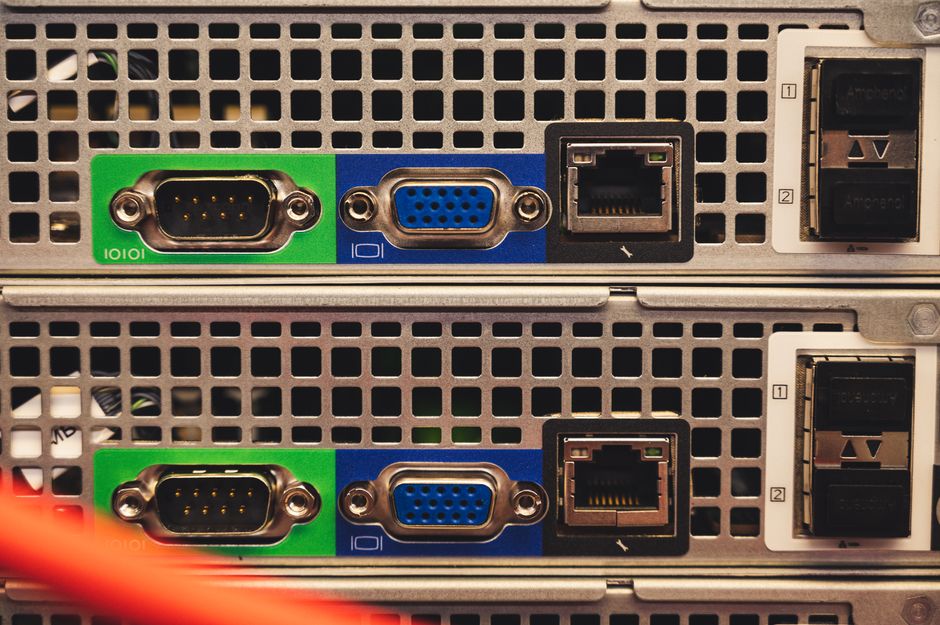
Beyond protocols, the physical and virtual infrastructure of a VPN provider's server network plays a monumental role in determining speed. This includes the quality of the server hardware, the bandwidth capacity of each server, and the overall network architecture. VPNs that invest in high-performance servers with ample CPU power, large amounts of RAM, and fast SSD storage are better equipped to handle encryption and decryption processes quickly, even under heavy load. Many top-tier providers are now deploying servers with 10 Gbps ports, and some are even experimenting with 40 Gbps connections, which provide immense bandwidth to prevent congestion. This is a stark contrast to providers who might still be using older, less powerful hardware or simply overselling their server capacity, leading to bottlenecks and slowdowns for their users, especially during peak hours. The raw processing power and network capacity of the server directly impact how quickly your data can be encrypted, routed, and decrypted, making it a critical, though often invisible, factor in the overall speed equation.
"A VPN is only as fast as its slowest link. Cutting-edge protocols are wasted on antiquated server hardware or congested network backbones. True speed comes from a holistic approach to infrastructure." - David Chen, Network Security Consultant.
The geographical distribution and strategic placement of servers are equally important. A VPN with servers located closer to its users will generally provide faster speeds due to reduced latency. Furthermore, the quality of the peering agreements and upstream bandwidth providers that a VPN utilizes significantly impacts its ability to deliver data efficiently across different networks and continents. Providers that have direct access to major internet exchange points (IXPs) and partner with high-quality transit providers can ensure that encrypted traffic takes the most optimal and least congested routes, minimizing hops and improving overall speed. Conversely, providers relying on cheaper, less reliable network routes can introduce significant latency and packet loss, even if their servers are technically fast. This complex web of network infrastructure, peering relationships, and server placement is what truly underpins a VPN's ability to deliver consistent, high-speed performance on a global scale, proving that a well-designed and maintained network is just as crucial as the cutting-edge protocols it employs to encrypt your data. It's a testament to the fact that comprehensive investment across the entire technological stack is required to achieve truly exceptional speed.