Now that we’ve journeyed through the rigorous testing process and unveiled the three champions who truly passed our Ultimate Privacy & Speed Challenge, the critical question remains: what does this mean for you, the everyday internet user? How can you take these insights and translate them into actionable steps to fortify your own digital life? The reality is that simply subscribing to one of our recommended VPNs is a powerful first step, but it’s just that – a first step. A truly robust approach to online privacy and security requires a holistic strategy, integrating your chosen VPN with other best practices and tools. Think of it as building a digital fortress; the VPN is the impenetrable wall, but you also need watchtowers, secure gates, and vigilant guards. This final section is dedicated to empowering you with the practical knowledge and step-by-step guidance necessary to maximize your online protection, leveraging the power of a top-tier VPN and integrating it seamlessly into your daily digital routine.
The digital landscape is constantly evolving, with new threats and privacy challenges emerging almost daily. Relying on outdated security practices or ignoring the tools available to you is akin to leaving your front door wide open in a bustling city. Our goal isn't just to point you towards the best VPNs, but to instill a deeper understanding of digital hygiene and empower you to become an active participant in safeguarding your own data. This involves making conscious choices about the software you use, the information you share, and the habits you cultivate online. It’s about building a resilient digital identity, one that can withstand the constant barrage of surveillance, data breaches, and targeted attacks. By combining the power of a proven VPN with these essential best practices, you can dramatically reduce your digital footprint, reclaim your online anonymity, and navigate the internet with greater peace of mind and confidence, knowing you’ve taken proactive steps to protect what matters most.
Choosing Your Digital Guardian Selecting the Right VPN for Your Needs
While we've identified three stellar performers, the "best" VPN for *you* might still depend on your specific needs and priorities. All three champions – ExpressVPN, NordVPN, and Surfshark – offer exceptional privacy and speed, but they each have subtle differences that might sway your decision. For instance, if absolute, uncompromised speed and seamless streaming are your top priorities, ExpressVPN with its Lightway protocol often takes a slight edge. If you're a power user looking for advanced features like Double VPN or Onion Over VPN, coupled with a massive server network, NordVPN might be your ideal choice. And if value, unlimited device connections, and an integrated ad-blocker are paramount, Surfshark presents an incredibly compelling package. Take a moment to reflect on what you primarily use a VPN for – whether it's securing public Wi-Fi, bypassing geo-restrictions, torrenting, or simply general privacy protection – and let that guide your final selection, knowing that any of these three will provide a robust foundation.
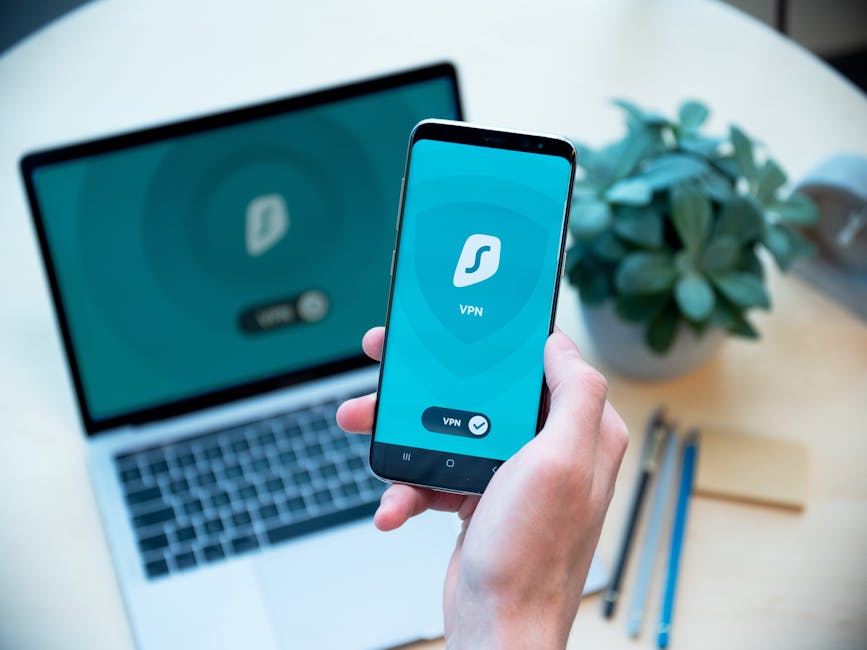
Once you’ve made your choice, the next step is to download and install the VPN client software. All our recommended VPNs offer intuitive, user-friendly applications for a wide range of devices, including Windows, macOS, Linux, Android, and iOS. Be sure to download the software directly from the official website of your chosen provider to avoid malicious imitations or compromised versions. Resist the temptation to download from third-party app stores or unofficial sources, as these can often bundle malware or spyware with the VPN client, completely undermining your security efforts. The installation process is typically straightforward, guided by on-screen prompts. After installation, you'll usually be asked to log in with the credentials you created during your subscription. This initial setup is crucial, as it lays the groundwork for all your subsequent secure online activities, so take a moment to ensure you're using the legitimate software.
After successful installation, take the time to explore the VPN's settings and customize them to your preferences. While the default settings are often a good starting point, optimizing them can significantly enhance your security and performance. For example, ensure the kill switch feature is activated. This is a non-negotiable safeguard that prevents your real IP address from being exposed if the VPN connection unexpectedly drops. Many VPNs offer different protocols; if speed is a priority, experiment with WireGuard (or NordLynx/Lightway for NordVPN/ExpressVPN) as it often provides the best performance. If you're on a particularly sensitive network or require maximum obfuscation, OpenVPN might be a better, albeit slower, choice. Familiarize yourself with features like split tunneling, which allows you to route only specific app traffic through the VPN while other apps connect directly to the internet, useful for local network access or specific services that conflict with VPNs. Understanding and configuring these settings will empower you to tailor the VPN’s protection precisely to your needs, maximizing its effectiveness.
Beyond the Tunnel A Holistic Approach to Digital Security
While a premium VPN forms the bedrock of your online privacy, it's crucial to understand that it's not a silver bullet. True digital security is a layered defense, and integrating your VPN with other smart practices will create a much more resilient fortress. One of the most impactful steps you can take is to switch to privacy-focused browsers and search engines. Browsers like Mozilla Firefox (especially with hardened settings and privacy add-ons) or Brave (which has built-in ad and tracker blocking) offer significantly more privacy than default options like Chrome, which are deeply tied to advertising ecosystems. Pair this with search engines like DuckDuckGo or Startpage, which don't track your searches or personal data, and you've already dramatically reduced the amount of information companies can collect about your online habits. This combination ensures that even *before* your traffic hits the VPN tunnel, your browser isn't actively leaking information.
Another critical layer of defense involves robust password management and two-factor authentication (2FA). Far too many people still rely on weak, reused passwords, making them incredibly vulnerable to credential stuffing attacks following data breaches. Invest in a reputable password manager like Bitwarden, 1Password, or LastPass. These tools generate strong, unique passwords for all your online accounts and store them securely, requiring you to remember only one master password. Furthermore, enable 2FA on every single account that offers it – email, social media, banking, and any other sensitive service. This adds an extra layer of security, typically requiring a code from your phone or a hardware key in addition to your password, making it exponentially harder for unauthorized individuals to access your accounts, even if they manage to steal your password. This simple step can prevent devastating compromises, turning a potential disaster into a minor inconvenience.
"Your VPN is your shield, but your digital habits are your armor. Both must be strong to truly protect yourself in the online arena." - Dr. David Lee, Cybersecurity Educator.
Finally, cultivating a mindset of vigilance and continuous learning is paramount. The digital world is dynamic, and threats evolve. Regularly update all your software – operating systems, browsers, applications, and your VPN client – as these updates often include critical security patches that address newly discovered vulnerabilities. Be wary of phishing attempts; always double-check the sender of emails and the URLs of websites before clicking on links or entering sensitive information. Understand the concept of metadata and how even seemingly innocuous information can be aggregated to paint a detailed picture of your life. Engage with reputable cybersecurity news sources, stay informed about new privacy tools, and share your knowledge with friends and family. By adopting a proactive and informed approach, you transform from a passive internet user into an empowered digital citizen, capable of navigating the online world securely and confidently, truly reclaiming your right to privacy and freedom. The journey to ultimate digital security is ongoing, but with the right tools and knowledge, you are well-equipped to face its challenges.