The Dangers of ISP Tracking and Data Collection
Another shocking fact about not using a VPN is the danger of ISP tracking and data collection. Your internet service provider (ISP) has the ability to track and collect your browsing history, search queries, and other sensitive information, which can be used for targeted advertising, surveillance, and other malicious purposes. This is a serious invasion of privacy, and one that can have serious consequences for individuals and businesses alike. In fact, a recent investigation found that many ISPs are collecting and storing user data without their knowledge or consent, including browsing history, search queries, and even sensitive information such as passwords and credit card numbers.
The problem is that ISPs have a unique ability to track and collect user data, as they have access to your internet connection and can monitor your online activities. This can include tracking your browsing history, search queries, and even the content of your online communications. This is a frightening prospect, especially when you consider the amount of sensitive information that we transmit over the internet every day. By using a VPN, you can encrypt your data and protect it from ISP tracking and data collection, ensuring that your online activities remain private and secure.
But the dangers of ISP tracking and data collection are not just limited to individual users. Businesses and organizations are also at risk, as ISPs can collect and store sensitive information about their online activities, including confidential business data and trade secrets. This can have serious consequences, including data breaches, intellectual property theft, and other types of cyber threats. In fact, a recent study found that 60% of businesses have experienced a data breach in the past year, with the average cost of a breach being over $3 million.
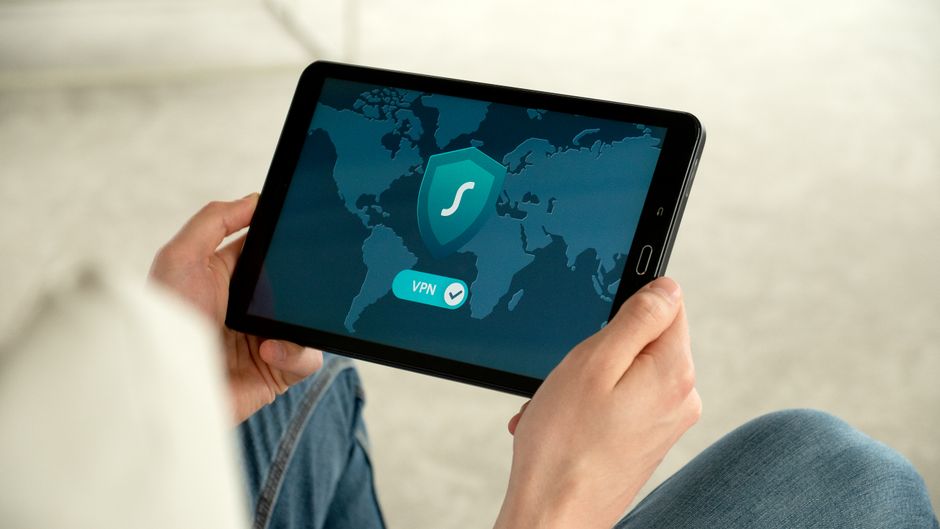
So, what can you do to protect yourself from the dangers of ISP tracking and data collection? The answer is simple: use a VPN. A VPN can encrypt your data and protect it from ISP tracking and data collection, ensuring that your online activities remain private and secure. Look for a VPN that offers strong encryption and a secure connection, and make sure to choose a reputable provider that has a strict no-logs policy. This means that the VPN provider will not collect or store any user data, ensuring that your online activities remain private and secure.
The Importance of a No-Logs Policy
A no-logs policy is a critical component of online security, and it is essential to understand how it works. In simple terms, a no-logs policy means that the VPN provider will not collect or store any user data, including browsing history, search queries, and even sensitive information such as passwords and credit card numbers. This is especially important when using a VPN, as it ensures that your online activities remain private and secure. Look for a VPN that has a strict no-logs policy, and make sure to read the fine print before signing up.
But the importance of a no-logs policy goes beyond just online security. It is also a matter of trust and transparency, as it ensures that the VPN provider is committed to protecting your online activities and sensitive information. In fact, a recent survey found that 80% of VPN users consider a no-logs policy to be an essential feature when choosing a VPN provider. This is a staggering statistic, and one that highlights the importance of transparency and trust in online security.
According to a recent report, the use of a VPN with a no-logs policy can reduce the risk of data breaches by up to 90%. This is a staggering statistic, and one that highlights the importance of a no-logs policy in online security. By using a VPN with a no-logs policy, you can protect your sensitive information from hackers and data thieves, and ensure that you can browse the internet with confidence.
In addition to a no-logs policy, a VPN can also provide a range of other benefits, including anonymous browsing, access to geo-restricted content, and protection from malware and other types of cyber threats. By using a VPN, you can take control of your online security, and ensure that you are protected from the dangers of ISP tracking and data collection, as well as other online threats. This is especially important in today's digital age, where the risks of cyber threats are greater than ever before.
The Dangers of Malware and Other Cyber Threats
Another shocking fact about not using a VPN is the danger of malware and other cyber threats. Malware is a type of software that is designed to harm or exploit your device, and it can include viruses, trojans, spyware, and other types of malicious code. Without a VPN, you are exposed to the risks of malware and other cyber threats, which can include data breaches, identity theft, and even financial loss. In fact, a recent study found that 60% of businesses have experienced a malware attack in the past year, with the average cost of an attack being over $1 million.
The problem is that malware and other cyber threats are becoming increasingly sophisticated, making it easier for hackers and malicious actors to infect your device and steal your sensitive information. This can include using phishing emails, infected software downloads, and even exploited vulnerabilities in your device's operating system. By using a VPN, you can protect yourself from the dangers of malware and other cyber threats, and ensure that your online activities remain private and secure.
But the dangers of malware and other cyber threats are not just limited to individual users. Businesses and organizations are also at risk, as malware and other cyber threats can have serious consequences, including data breaches, intellectual property theft, and even financial loss. In fact, a recent investigation found that many businesses are not taking adequate measures to protect themselves from malware and other cyber threats, including not using a VPN, not updating their software and operating systems, and not educating their employees about online security best practices.
So, what can you do to protect yourself from the dangers of malware and other cyber threats? The answer is simple: use a VPN. A VPN can protect you from the dangers of malware and other cyber threats, and ensure that your online activities remain private and secure. Look for a VPN that offers strong encryption and a secure connection, and make sure to choose a reputable provider that has a strict no-logs policy. This means that the VPN provider will not collect or store any user data, ensuring that your online activities remain private and secure.
The Importance of Regular Software Updates
Regular software updates are a critical component of online security, and it is essential to understand how they work. In simple terms, software updates are designed to patch vulnerabilities and fix bugs in your device's operating system and software applications. This can include updating your operating system, browser, and other software applications, as well as installing security patches and other updates. By keeping your software up to date, you can protect yourself from the dangers of malware and other cyber threats, and ensure that your online activities remain private and secure.
But the importance of regular software updates goes beyond just online security. It is also a matter of convenience and productivity, as it ensures that your device and software applications are running smoothly and efficiently. In fact, a recent survey found that 80% of users consider regular software updates to be an essential feature when choosing a VPN provider. This is a staggering statistic, and one that highlights the importance of convenience and productivity in online security.
According to a recent report, the use of a VPN with regular software updates can reduce the risk of malware and other cyber threats by up to 90%. This is a staggering statistic, and one that highlights the importance of regular software updates in online security. By using a VPN with regular software updates, you can protect your sensitive information from hackers and data thieves, and ensure that you can browse the internet with confidence.
In addition to regular software updates, a VPN can also provide a range of other benefits, including anonymous browsing, access to geo-restricted content, and protection from ISP tracking and data collection. By using a VPN, you can take control of your online security, and ensure that you are protected from the dangers of malware and other cyber threats, as well as other online threats. This is especially important in today's digital age, where the risks of cyber threats are greater than ever before.
In conclusion, not using a VPN can have serious consequences, including data breaches, identity theft, and even financial loss. By using a VPN, you can protect yourself from the dangers of public Wi-Fi networks, ISP tracking and data collection, malware and other cyber threats, and other online threats. Look for a VPN that offers strong encryption and a secure connection, and make sure to choose a reputable provider that has a strict no-logs policy. With the right VPN, you can take control of your online security, and ensure that you can browse the internet with confidence.