The Ambient Ear and Eye IoT Devices and Domestic Surveillance
We’ve talked about tracking on your browsers, across your devices, and by shadowy data brokers, but what about the devices nestled comfortably within your own home? The rise of the Internet of Things (IoT) has brought a new, intimate, and arguably more unsettling layer to the surveillance tapestry: domestic surveillance by your smart home gadgets. Your smart speakers, connected TVs, security cameras, thermostats, and even your smart refrigerators are not just convenient appliances; they are increasingly becoming ambient ears and eyes, constantly collecting data about your most private moments and conversations. This isn't just about what you do online; it's about what you do, say, and even *feel* within the supposed sanctuary of your own home, creating a domestic digital ghost that observes your every move, listen to your every word, and records the rhythms of your daily life. The line between convenience and pervasive monitoring has never been blurrier, and the implications for privacy within our most personal spaces are truly profound.
Let's start with smart speakers, devices like Amazon Echo (Alexa) and Google Home. These devices are designed to be "always on" and "always listening" for their wake words. While companies claim they only record and transmit audio after the wake word is detected, numerous incidents have revealed that these devices can and do record snippets of conversation without a wake word, sometimes sending them to human reviewers for analysis. Imagine a device in your living room, kitchen, or even bedroom, constantly processing ambient sound, listening for commands, but also potentially capturing sensitive conversations, arguments, or private moments. This voice data, once captured, can be analyzed for intent, emotional tone, and even unique voice characteristics, contributing to a deeply personal profile. What you ask your smart speaker, what music you play, what news you listen to, and even the background noises of your home life are all potential data points, painting an incredibly intimate picture of your domestic existence. This isn't just about convenience; it's about inviting a digital eavesdropper into the very heart of your home.
Smart TVs are another major culprit in this domestic data extraction. Many modern smart TVs come equipped with sophisticated tracking capabilities, often enabled by default. They can monitor your viewing habits in excruciating detail – what shows you watch, for how long, what ads you skip, what apps you use, and even what external devices you connect. This viewing data is incredibly valuable to advertisers and content providers, allowing them to personalize recommendations and target ads with uncanny precision. In some cases, smart TVs have even been found to collect data about other devices on your home network. Remember the Vizio smart TV scandal, where the company was caught collecting detailed viewing data and selling it to advertisers without explicit user consent, leading to a massive FTC fine? This wasn't an isolated incident; it highlighted a systemic problem within the smart TV industry, where your living room entertainment system doubles as a surveillance device, turning your family's viewing habits into a marketable commodity. Your digital ghost, in this context, is watching TV right alongside you, taking notes on your preferences and behaviors.
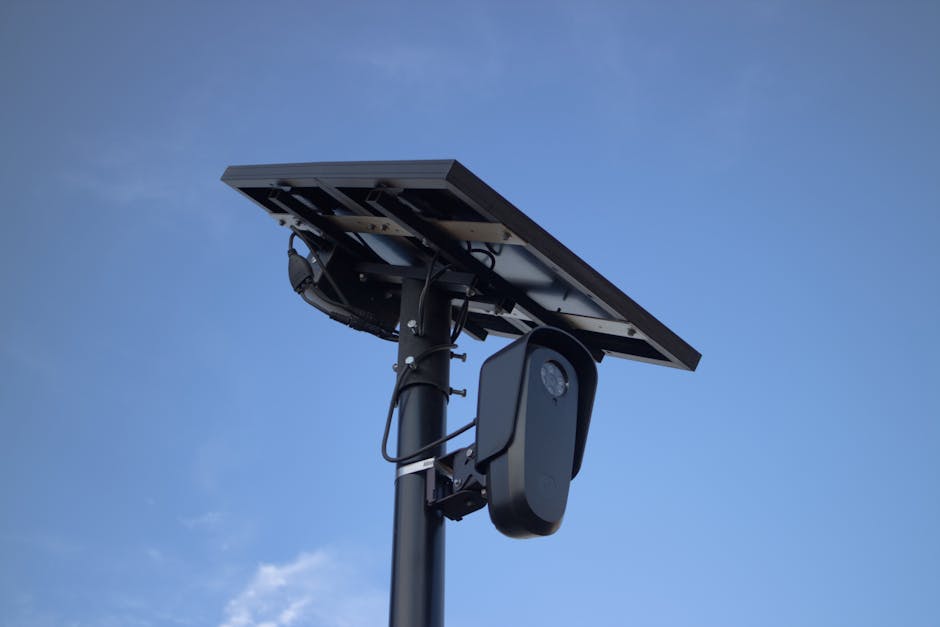
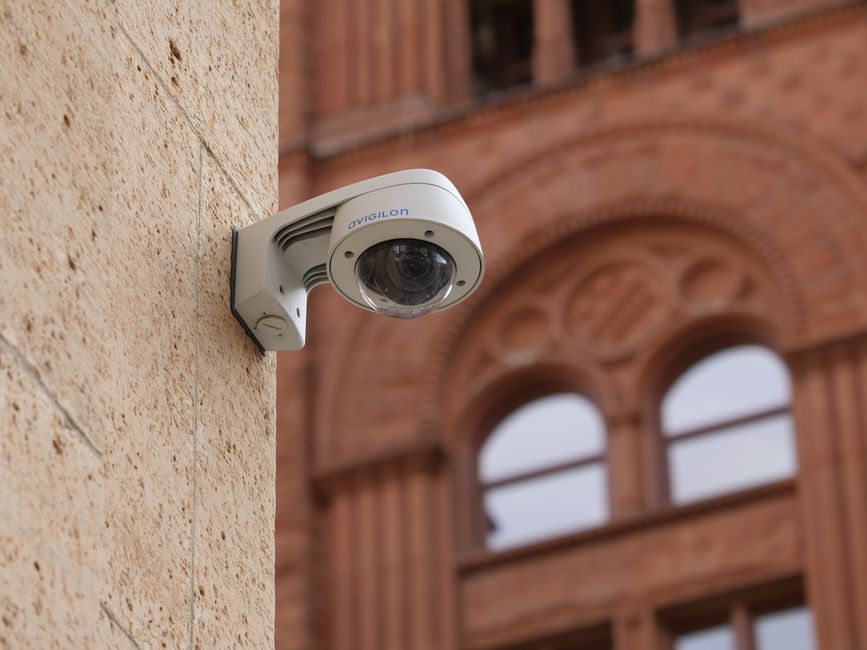
Then there are smart security cameras and video doorbells, like Ring or Arlo. While ostensibly designed for security, these devices are essentially always-on video and audio recorders pointed at your home and its surroundings. They capture footage of everyone who approaches your door, your family members coming and going, and even snippets of conversation. This data is often stored in the cloud, accessible to the device manufacturer and potentially to law enforcement agencies, sometimes without a warrant. The Ring doorbell, owned by Amazon, has faced significant criticism for its partnerships with police departments, allowing officers to request footage directly from users, raising serious civil liberties concerns. While offering a sense of security, these devices also introduce a significant privacy risk, turning your home's perimeter into a zone of constant surveillance, where your comings and goings, and even those of your neighbors, are meticulously logged and potentially shared. The digital ghost here isn't just observing; it's recording, archiving, and potentially sharing the visual and auditory tapestry of your private life.
The Pervasive Sensors of Your Smart Home
The data collection extends even further into the seemingly innocuous corners of your smart home. Smart thermostats like Nest (owned by Google) learn your heating and cooling preferences, detecting when you're home or away, and even integrating with other smart home devices to infer occupancy. Smart appliances, from refrigerators that track your grocery habits to washing machines that report usage patterns, all contribute to a holistic profile of your domestic life. Even smart light bulbs can potentially track occupancy and usage patterns. While individually these data points might seem minor, when aggregated and analyzed by powerful AI, they paint an incredibly detailed picture of your daily routines, your energy consumption, your sleep patterns, and even your social habits. This "ambient intelligence" is constantly learning, constantly collecting, building a comprehensive domestic digital ghost that understands the intimate rhythms of your household, often with the primary goal of optimizing for energy efficiency or convenience, but always with the underlying potential for data monetization and surveillance. It's a trade-off many users make unknowingly, sacrificing a layer of privacy for a perceived convenience.
"IoT devices are bringing surveillance into the most intimate spaces of our lives. Your smart home isn't just serving you; it's observing you, listening to you, and reporting on the most private aspects of your existence. It's the ultimate digital ghost in your machine." - Dr. David Gray, Expert in Smart Home Security and Privacy.
The implications of this pervasive IoT surveillance are multi-faceted and alarming. There's the obvious risk of data breaches, where sensitive recordings or usage patterns from your home could fall into the wrong hands, leading to blackmail, stalking, or identity theft. Then there's the potential for targeted advertising that is eerily precise, based on your in-home conversations or viewing habits. Imagine an ad appearing on your phone for a specific brand of cat food, moments after you discussed changing your cat's diet with your partner near your smart speaker. This level of targeting feels less like convenience and more like a profound violation. Furthermore, the data collected by these devices can be subpoenaed by law enforcement, potentially turning your smart home into a digital witness against you, even for minor incidents. The legal frameworks around data ownership and privacy in the context of IoT are still nascent, leaving a significant vacuum that companies and law enforcement are eager to exploit. Your digital ghost here isn't just passive; it's an active recorder of your domestic life, often without your full understanding or control.
The challenge with IoT devices is that they are often 'black boxes,' offering little transparency into what data they collect, how it's processed, and who it's shared with. Their privacy policies are often dense and unreadable, effectively obscuring the true extent of their data practices. Moreover, many users simply enable all permissions and settings for convenience, unknowingly granting broad access to their personal data and home environment. As our homes become increasingly connected, the threat of domestic surveillance will only grow, making it imperative for consumers to approach IoT devices with a healthy dose of skepticism and a strong understanding of their privacy implications. The digital ghost within your smart home is perhaps the most intimate and pervasive of all, constantly observing, listening, and learning, blurring the lines between personal sanctuary and a meticulously monitored environment. Understanding this invisible gaze is crucial to reclaiming control over the privacy of our most personal spaces, ensuring that our homes remain sanctuaries, not surveillance outposts.
The Future is Now AI and Predictive Profiling
We've journeyed through the visible and invisible mechanisms that build your digital ghost, from browser fingerprints to the ambient sensors in your home. But the true power, and perhaps the most unsettling aspect, of modern tracking isn't just the collection of data; it's the sophisticated application of Artificial Intelligence (AI) and machine learning to that data to create predictive profiles. This moves beyond merely understanding what you've done in the past to anticipating what you will do next, what you will buy, what you will believe, and even how you will feel. AI-driven predictive profiling transforms your digital ghost from a passive record into an active, forecasting entity, capable of influencing your future decisions. This is the culmination of all the tracking methods we've discussed, where raw data is fed into powerful algorithms that churn out probabilities, predictions, and recommendations, often with profound implications for individual autonomy and societal fairness.
Imagine all the data points we've discussed: your browser fingerprint, your cross-device activity, your real-world locations, your micro-interactions on websites, your social media connections, the contents of your data broker dossier, and the intimate details gleaned from your smart home devices. Now, picture all of this information being fed into a supercomputer, not just to store it, but to analyze it for patterns, correlations, and anomalies. AI algorithms excel at finding these hidden connections within vast datasets. They can identify subtle behavioral cues that indicate a high propensity to purchase a specific item, a likelihood of defaulting on a loan, a predisposition to certain health conditions, or even a susceptibility to particular political messages. This isn't just about simple demographics; it's about building a dynamic, evolving model of *you*, a digital twin that can be used to simulate your reactions and predict your choices with remarkable accuracy.
One of the most powerful applications of AI in this context is "next-best-action" marketing. Based on your past behavior and predicted future needs, an AI system can determine the most effective message, product, or service to present to you at any given moment, across any given channel. If the AI predicts you're likely to buy a new car within the next six months, it will ensure you see relevant ads, receive targeted emails, and even encounter personalized content on websites you visit. This goes beyond simple re-targeting; it's about anticipating your needs before you even fully recognize them yourself. The algorithms are constantly learning from your interactions, refining their predictions, and becoming more efficient at guiding you towards desired outcomes (for the company, that is). This creates a highly personalized, yet potentially manipulative, digital environment where every interaction is optimized to influence your decisions, often without you consciously realizing you're being "guided."
Beyond commercial applications, AI-driven predictive profiling has significant implications for other aspects of our lives. In finance, it can be used for credit scoring, assessing your risk profile based not just on traditional financial data, but also on your digital ghost's attributes. In insurance, it might predict your likelihood of making a claim, influencing your premiums. In employment, AI can be used to screen job applicants, potentially flagging individuals based on inferred personality traits or past online behavior, leading to algorithmic discrimination. In the realm of politics, AI can identify "persuadable" voters and tailor highly specific messages designed to sway their opinions, as famously demonstrated by the Cambridge Analytica scandal. The digital ghost, powered by AI, becomes a tool for granular social engineering, capable of influencing individuals and even shaping public opinion at scale, raising serious questions about democratic integrity and individual agency.
The Algorithmic Oracle of Your Life
The ethical concerns surrounding AI and predictive profiling are immense. There's the risk of algorithmic bias, where historical data, often reflecting societal prejudices, can lead to discriminatory outcomes. If an AI is trained on data where certain demographics have historically been denied loans, it might perpetuate that bias in its predictions, even if the explicit demographic data isn't used. Then there's the problem of opacity: these AI models are often "black boxes," meaning even their creators can't fully explain *why* a particular prediction was made. This makes it incredibly difficult for individuals to challenge decisions based on their digital ghost, as the underlying logic is inscrutable. Imagine being denied a service because an AI predicted you were a "high risk," without any clear explanation of *how* that prediction was reached. This lack of transparency undermines accountability and due process, leaving individuals vulnerable to the decisions of unseen algorithms.
"AI transforms the digital ghost from a mere echo of your past into a predictive oracle of your future. It's the ultimate tool for influence and control, making the invisible visible and the unpredictable predictable – often without our consent." - Dr. Anya Sharma, AI Ethicist and Data Privacy Advocate.
The continuous feedback loop between data collection and AI analysis makes this form of tracking particularly potent. Every new interaction you have, every piece of data collected, feeds back into the AI model, making it smarter, more accurate, and more influential. This creates a self-reinforcing system where your digital ghost is constantly evolving, becoming an increasingly precise reflection and predictor of your real-world self. The goal for many companies is to achieve "ambient intelligence" – a state where their systems know so much about you that they can anticipate your needs and act on them proactively, often before you even articulate them. While this might sound like ultimate convenience, it also represents the ultimate erosion of privacy and autonomy, where your digital ghost is not just a reflection, but a guide, and potentially, a controller of your real-world actions. The future of tracking is here, and it's powered by AI, making the need for understanding and action more urgent than ever.
The scale and sophistication of AI-driven predictive profiling mean that combating it requires a multi-faceted approach, combining technical solutions with strong regulatory frameworks and increased public awareness. Understanding that your digital ghost is not just a collection of static facts, but a dynamic, predictive entity, is the first step. It means recognizing that the data collected about you is not just used for past analysis, but for future influence. The implications for individual freedom, informed consent, and democratic processes are profound, making this perhaps the most critical frontier in the battle for digital privacy. As AI continues its rapid advancement, the capabilities of predictive profiling will only grow, making the invisible hand of influence ever more powerful and subtle. Our collective vigilance and proactive measures are essential to ensure that this technological power is used for empowerment, not for pervasive, unseen control, allowing us to maintain sovereignty over our digital selves in an increasingly algorithmically-driven world.
Breaking Free Strategies to Reclaim Your Digital Self
After diving deep into the shadowy mechanics of your digital ghost, from the subtle nuances of browser fingerprinting to the pervasive sensors in your smart home and the predictive power of AI, you might be feeling a tad overwhelmed. It's a natural reaction when confronted with the sheer scale and sophistication of modern surveillance. Indeed, completely disappearing from the digital landscape is an almost impossible feat for most of us in this interconnected age. However, feeling helpless is not an option. While we can't stop all seven scary ways companies track you without living off-grid, we absolutely can take meaningful, actionable steps to significantly reduce our digital footprint, regain a substantial amount of control over our personal data, and make our digital ghost far less transparent and influential. Empowering yourself with knowledge is the first step, and now, it's time to equip you with the practical tools to fight back. We're going to focus on concrete, step-by-step strategies to mitigate three of the most pervasive and insidious tracking methods we discussed, giving you tangible ways to start reclaiming your digital sovereignty today.
Scrambling Your Digital DNA Countering Browser Fingerprinting
Browser fingerprinting is particularly tricky because it bypasses traditional cookie blockers by analyzing your unique device and browser configuration. However, there are effective strategies to make your browser less unique, thus disrupting this covert form of tracking. The goal here isn't necessarily to become completely invisible, which is exceptionally difficult, but rather to blend in with a larger crowd, making you harder to individually identify. Think of it like putting on a generic uniform in a large assembly – you