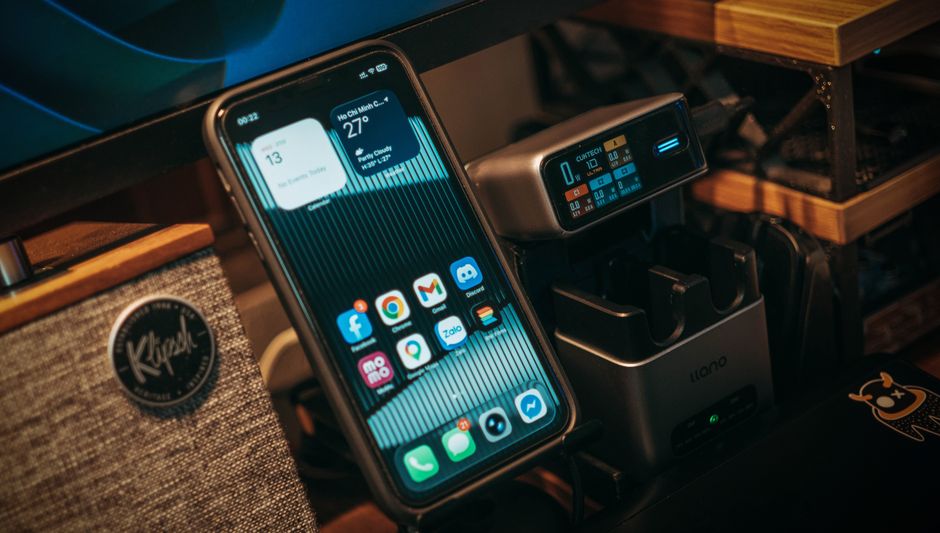
In a world where our smartphones have become extensions of ourselves, acting as our navigators, photographers, bankers, and communication hubs, it’s astonishing how many of us are only scratching the surface of their true capabilities. We carry devices with processing power that would have been unimaginable just a decade ago, pocket-sized supercomputers capable of feats we rarely tap into, yet we often find ourselves frustrated by sluggish performance, rapidly draining batteries, or an overwhelming sense of digital fatigue. It’s a bit like owning a high-performance sports car but perpetually driving it in first gear, never quite feeling the surge of power it truly possesses, simply because we haven't bothered to adjust the default settings designed for the broadest possible audience, not for *your* optimal experience.
The truth is, your phone, whether it’s a sleek iPhone or a versatile Android device, comes packed with a suite of sophisticated settings and configurations that, if left untouched, can actively hinder its performance, compromise your privacy, and shorten its lifespan. These aren't obscure, developer-level tweaks that require a computer science degree to understand; rather, they are often buried just a few taps deep within your device’s menu, waiting to be unearthed and optimized. Manufacturers, in their quest for universal appeal and ease of use, often opt for a "set it and forget it" approach, enabling features that might seem convenient on paper but, in practice, become silent resource vampires, constantly siphoning off battery life, chewing through your data plan, and creating unnecessary digital noise that clutters your daily life. It’s a subtle form of digital entropy, where convenience slowly erodes efficiency and control.
Unlocking the Hidden Potential of Your Pocket Powerhouse
Think about it for a moment: your phone is a highly personalized device, reflecting your habits, your communication style, and your digital footprint more intimately than almost any other gadget you own. Yet, many of us treat it like a generic appliance, accepting its factory defaults without question, much like we might accept the default settings on a toaster. This passive acceptance, however, comes at a significant cost. We complain about our batteries dying before dinner, our apps freezing at crucial moments, or the unsettling feeling that our digital lives are constantly being monitored, without realizing that the power to mitigate many of these issues lies directly in our hands. By making a few targeted adjustments, you can transform your everyday smartphone experience from one of quiet compromise to one of exhilarating efficiency and enhanced privacy, truly unlocking the "superpowers" that have been dormant all along.
This isn't just about making your phone *faster*, though that's certainly a delightful byproduct. It's about taking back control of your digital environment, minimizing distractions, extending your device's longevity, and safeguarding your personal data in an increasingly interconnected and often intrusive world. In my decade-plus navigating the complex landscape of cybersecurity and online privacy, I've seen countless users unknowingly sacrifice performance and privacy simply by overlooking these critical settings. It's a common oversight, but one with profound implications for both your device's health and your peace of mind. We're talking about a paradigm shift in how you interact with your most personal piece of technology, moving from a passive recipient of its default behaviors to an active architect of its optimal performance.
The Silent Resource Drainers and Privacy Invaders
The modern smartphone operating system, whether it's Apple's iOS or Google's Android, is an incredibly complex piece of engineering, managing hundreds of processes simultaneously, many of which operate silently in the background. While some of these background activities are essential for maintaining functionality – think receiving urgent messages or syncing critical data – a significant portion is often dedicated to non-essential tasks that consume valuable resources without directly benefiting your immediate user experience. These can range from apps constantly refreshing their content, even when you haven't opened them in days, to services perpetually tracking your location for purposes you might not fully understand or approve of. Each of these background operations, however minor it may seem in isolation, contributes to a cumulative drain on your battery, a drag on your processing power, and a steady stream of data usage, often without your explicit awareness or consent.
Moreover, in an era where data is often referred to as the "new oil," our smartphones have become prime targets for data collection. Every tap, every swipe, every location ping, and every interaction can be logged, analyzed, and often monetized by a vast ecosystem of advertisers, data brokers, and even less scrupulous entities. While some of this data collection is framed as enhancing user experience or delivering personalized content, the sheer volume and granularity of information being gathered often far exceed what's necessary, raising serious privacy concerns. The default settings on many phones are, frankly, quite permissive in this regard, prioritizing convenience and data-driven features over robust privacy protection. Understanding and adjusting these settings is not just a recommendation; it's a fundamental step towards digital self-defense, allowing you to erect stronger barriers around your personal information and dictate precisely what data leaves your device.
"Your smartphone is a powerful tool, but like any tool, it needs to be properly maintained and configured to perform at its best. Ignoring its settings is akin to driving a car with underinflated tires – it works, but not optimally, and you're slowly causing damage." - Dr. Evelyn Reed, Digital Forensics Expert.
Over the next few pages, we're going to embark on a journey together, exploring seven critical settings that, once adjusted, will fundamentally transform your phone's performance, battery life, and privacy posture. This isn't about extreme measures or sacrificing functionality; it's about intelligent optimization, making your phone work smarter, not harder, and aligning its capabilities with your actual needs and preferences. I’ve spent years delving into the nitty-gritty of how these devices operate, often uncovering the subtle ways they can be both incredibly useful and incredibly inefficient. My goal here is to distill that knowledge into actionable insights, providing you with the roadmap to a truly supercharged smartphone experience, one that feels responsive, respectful of your privacy, and ready to tackle whatever your day throws at it. Get ready to awaken the dormant beast within your pocket, because your phone is about to get a serious upgrade, and you won't need to buy a new one to achieve it.