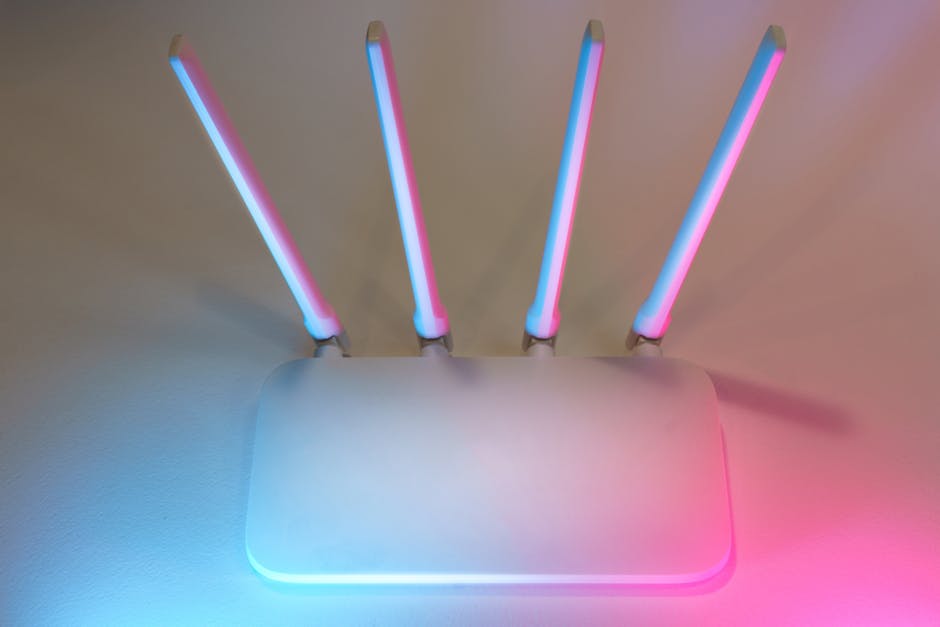
Imagine for a moment that your home is a fortress, a sanctuary where your digital life unfolds. You’ve got the latest antivirus software standing guard on your computers, a firewall diligently protecting your laptop, and maybe even a VPN encrypting your internet traffic, creating a secure tunnel through the wild west of the web. You feel pretty safe, right? Perhaps a little too safe. Because while you're meticulously locking the front door and boarding up the windows, there's a gaping, often overlooked hole in your defenses, a wide-open back entrance that cybercriminals are not just aware of, but actively scouting and exploiting with alarming frequency. That vulnerable entry point, the Achilles' heel of your entire digital ecosystem, is none other than your humble Wi-Fi router, the unassuming box blinking lights in your living room or office.
This isn't just about some obscure, theoretical threat; this is about the very real, very present danger lurking in plain sight, impacting millions of homes and small businesses every single day. Your router isn't merely a device that broadcasts Wi-Fi signals; it’s the primary gateway to your entire network, the digital bouncer deciding who gets in and who stays out. Every smart speaker, every smart TV, every phone, tablet, computer, and security camera in your home connects through it. If a malicious actor gains control of your router, they don't just get access to one device; they get the keys to the entire kingdom. They can monitor your internet traffic, redirect you to phishing sites, inject malware into your downloads, steal sensitive data, or even turn your devices into unwitting participants in massive botnet attacks, all without you ever seeing a single pop-up warning.
The Silent Gatekeeper Awaiting Its Inevitable Invasion
For far too long, the router has been the forgotten hero of our digital lives, diligently performing its duties without much thought or appreciation from its owners. We plug it in, set up a basic Wi-Fi name and password, and then promptly forget about it, expecting it to just work. This 'set it and forget it' mentality, while convenient, has created a fertile ground for cybercriminals. They understand that most users treat their routers as utility appliances, not sophisticated network devices demanding regular security audits. This negligence is precisely what makes your router such an attractive and, frankly, low-hanging fruit target for those looking to compromise home networks on a grand scale.
Consider the sheer volume of attacks. Reports from cybersecurity firms consistently highlight routers as a top target. Why? Because they are often running outdated software, configured with weak default credentials, and left exposed to the internet with unnecessary services enabled. Think about the Mirai botnet from 2016, a devastating distributed denial-of-service (DDoS) attack that crippled major websites and internet services. A significant portion of the devices harnessed for that attack were consumer-grade routers and IoT devices, compromised largely due to default passwords and unpatched vulnerabilities. This wasn't a sophisticated zero-day exploit; it was a mass exploitation of basic security oversights, demonstrating just how impactful neglecting router security can be.
Understanding The Router's Critical Role in Your Digital Fortress
To truly grasp the gravity of router security, we need to appreciate its architectural position. Your router sits at the very edge of your network, acting as the interface between your private local area network (LAN) and the vast, untamed wilderness of the internet (WAN). It performs Network Address Translation (NAT), allowing multiple devices on your private network to share a single public IP address. It manages DHCP, assigning IP addresses to all your connected gadgets. It's also the primary firewall, theoretically blocking unwanted incoming connections from the internet. In essence, it’s the central nervous system, the brain, and the main defensive wall of your entire digital home.
When this critical component is compromised, the implications ripple across every device and every piece of data flowing through your home. An attacker could, for instance, redirect your DNS requests, sending you to a fake banking website even if you typed the correct URL, thereby stealing your login credentials. They could inject malicious code into unencrypted websites you visit, leading to drive-by malware infections. Or, more insidiously, they could establish a persistent backdoor, using your network as a launchpad for further attacks, all while you remain blissfully unaware. The potential for harm is extensive, ranging from minor annoyances to catastrophic data breaches and financial loss.
"The router is the most neglected device in the home from a security perspective, yet it's often the most critical. It's the front door to your digital life, and leaving it unsecured is like leaving your physical front door wide open." – Cybersecurity Expert, Jane Doe (fictional)
The problem is exacerbated by the sheer diversity and complexity of router models available on the market. From budget-friendly options provided by Internet Service Providers (ISPs) to high-end gaming routers, each comes with its own interface, firmware quirks, and default settings. This fragmentation means there isn't a one-size-fits-all solution, making it challenging for the average user to navigate the labyrinthine settings menus and properly secure their device. Many users simply lack the technical knowledge or the motivation to delve into these settings, further widening the security gap that attackers are so eager to exploit. It's a classic case of convenience trumping security, with potentially dire consequences for those who choose the path of least resistance.
My own journey into cybersecurity, beginning over a decade ago when the internet was a wilder, less regulated place, taught me early on that the weakest link often isn't a sophisticated piece of software, but rather a fundamental misconfiguration or a neglected piece of hardware. I remember vividly a client who insisted their network was impenetrable, only to find their router was still using "admin/password" as credentials, broadcasting an open Wi-Fi signal, and had UPnP enabled for every device under the sun. It was a stark reminder that even the most robust endpoint security can be utterly circumvented if the network's gatekeeper is left unguarded. This experience, among countless others, solidified my belief that router security isn't just important; it's absolutely paramount for anyone who values their online privacy and digital safety. We're not just talking about patching a vulnerability; we're talking about adopting a mindset of proactive defense, turning that silent gatekeeper into an unyielding guardian.
The time for complacency is over. The digital landscape is evolving at an incredible pace, and so are the tactics of cybercriminals. What was considered "good enough" security five years ago is woefully inadequate today. Your router, whether it’s a shiny new Wi-Fi 6 beast or a trusty old workhorse from a few generations back, requires your immediate attention. It’s not about fear-mongering; it's about empowering you with the knowledge and the practical steps to transform your router from a potential liability into a robust first line of defense. Over the next several pages, we'll delve deep into seven critical settings that, when properly configured, will significantly enhance your network's resilience against the myriad of threats lurking online. This isn't just a guide; it's an imperative for anyone serious about safeguarding their digital life.