Imagine this: you’re unwinding after a long day, sharing a deeply personal secret with a loved one, a hushed confession meant only for their ears. Perhaps you’re discussing financial woes, a health concern, or even a blossoming new romance. Suddenly, from the corner of the room, a small LED light on your smart speaker flickers, or your smart TV’s screen subtly brightens, almost imperceptibly. A shiver runs down your spine – did it just… react? This isn't a scene from a dystopian sci-fi movie; this is the unsettling reality many of us live with every single day, often unknowingly, in our increasingly connected homes. The very devices we invite into our most intimate spaces, promising convenience and futuristic living, are often equipped with always-on microphones, silently, constantly, listening to the symphony of our lives.
For over a decade, I’ve delved into the shadowy corners of online privacy and cybersecurity, untangling the complex web of data collection that defines our digital existence. And while we often focus on what happens online – our browsing habits, our social media interactions – there's a far more insidious and intimate form of surveillance taking root right under our noses, within the walls of our own homes. The advent of the smart home, with its voice-activated assistants, intelligent thermostats, and connected security cameras, has ushered in an era of unparalleled comfort and control, yet it simultaneously erodes the very bedrock of our personal sanctuary: privacy. The quiet hum of these devices often masks a more profound, almost imperceptible, hum of data capture, transforming our private conversations into streams of information for unseen algorithms and, sometimes, even human ears.
The Velvet Glove of Convenience Hiding Iron Claws
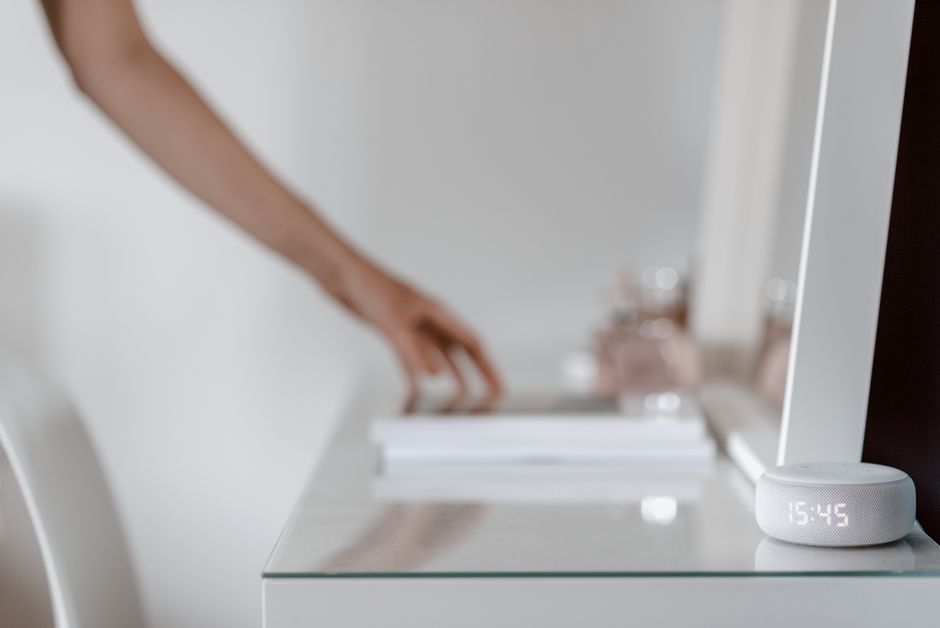
The allure of the smart home is undeniable, a glossy promise of effortless living where a simple command can adjust the lighting, queue up your favorite music, or even preheat your oven. These conveniences, however, come wrapped in a velvet glove, concealing the iron claws of pervasive data collection. Every smart speaker, every voice-controlled remote, every security camera with two-way audio, and even some smart TVs, are essentially sophisticated listening posts. They are designed to be ever-vigilant, perpetually poised to catch a "wake word" – "Alexa," "Hey Google," "Siri," or whatever proprietary phrase unlocks their capabilities. But what happens to the audio stream *before* that wake word is uttered? What about the moments of silence, the background chatter, the intimate exchanges that precede the command? That’s where the true creepiness begins to unfold, revealing a landscape where our private lives are not quite as private as we assume.
Companies are quick to assure us that these devices only record and transmit audio *after* the wake word is detected, and that the pre-wake word audio is merely buffered locally and then discarded. But the very mechanism required to detect that wake word necessitates constant listening. This isn't a passive state; it's an active, always-on microphone, processing ambient sound, distinguishing human speech from background noise, and analyzing auditory patterns. The exact threshold for what constitutes "discarded" versus "processed" can be opaque, residing in proprietary algorithms that are rarely, if ever, fully transparent to the end-user. This lack of transparency creates an inherent vulnerability, a trust gap between the consumer and the technology giant, leaving us to wonder just how much of our lives is truly being heard, processed, and perhaps even stored, by machines we’ve willingly placed in our most personal spaces.
More Than Just Voice Assistants The Ubiquitous Eavesdroppers
When we think of smart home listening, our minds often jump straight to the ubiquitous smart speakers from Amazon, Google, and Apple. These devices are indeed primary culprits, engineered from the ground up to interact through voice. However, the ecosystem of listening devices extends far beyond these obvious contenders, permeating nearly every facet of our connected homes. Consider your smart television, for instance. Many modern smart TVs come equipped with microphones for voice control, allowing you to change channels, search for content, or adjust settings with spoken commands. While convenient, these microphones can also be a gateway for unexpected data collection, potentially even monitoring your viewing habits and conversational patterns to deliver highly targeted advertisements, a practice that has already led to significant privacy concerns and even legal battles.
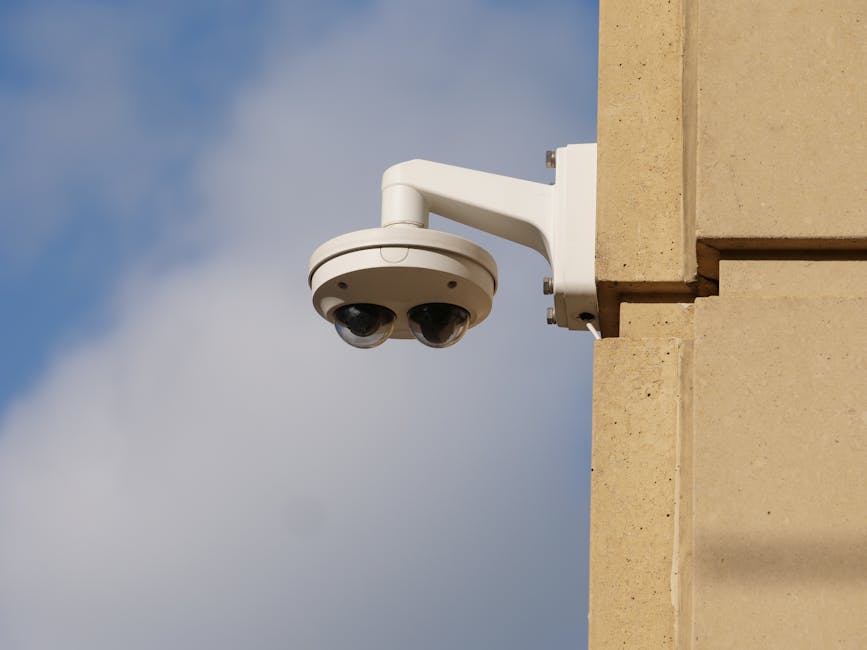
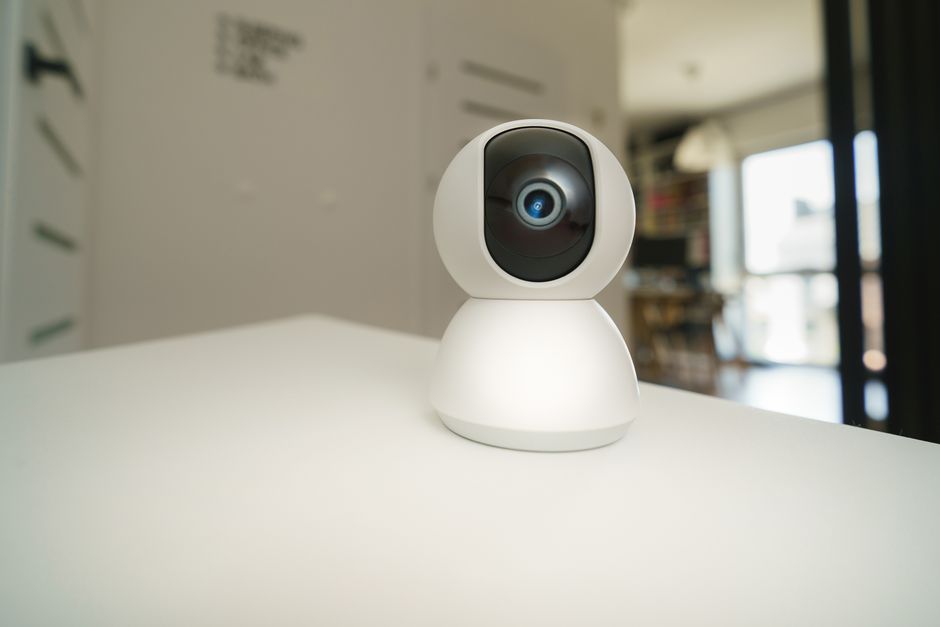
Then there are the less obvious suspects, the devices whose primary function doesn't immediately scream "microphone inside." Smart thermostats, designed to learn your habits and optimize energy usage, sometimes include microphones for environmental sensing or even basic voice control. Security cameras, particularly those offering two-way audio, are essentially always-on communication portals, capable of recording not just video but also entire soundscapes of your home. Even seemingly innocuous smart light switches or smart plugs can, in some advanced iterations, incorporate microphones for ambient sound detection or voice integration. This pervasive integration means that our homes are no longer just physical spaces but complex auditory environments, crisscrossed by invisible waves of sound being captured, processed, and potentially transmitted by a multitude of devices, many of which we might not even consider "listening" devices in the traditional sense.
The Subtle Art of Data Harvesting How Your Words Become Gold
The ultimate objective behind this ubiquitous listening isn't merely to make your life easier; it's intricately tied to the vast, multi-billion dollar data economy. Every interaction, every piece of information, no matter how seemingly trivial, holds potential value. When your smart speaker registers your voice, it's not just recognizing a command; it's often analyzing your vocal characteristics, your accent, your speech patterns, and even your emotional state, contributing to a rich, evolving profile of you. This data, anonymized or not, becomes incredibly valuable for training artificial intelligence models, refining speech recognition algorithms, and, most lucratively, for targeted advertising. Imagine a scenario where a casual conversation about needing a new kitchen appliance triggers an onslaught of related ads across all your digital platforms. This isn't science fiction; it’s the very real, and often unsettling, consequence of your smart home devices listening intently.
Furthermore, the data collected isn't just about your direct commands. The ambient sounds, the background noise, the snippets of conversations that *don't* trigger a wake word but are still processed to determine if a wake word is present, all contribute to a broader understanding of your household’s activities. When are people home? What kind of music do you listen to? Do you have pets? Are there children in the house? These seemingly innocuous details, when aggregated and analyzed, paint a remarkably detailed picture of your lifestyle, your preferences, and even your routines. This comprehensive profile is then leveraged by companies to personalize your user experience, yes, but also to build incredibly precise advertising segments, influencing your purchasing decisions and shaping your digital world in ways you might never fully comprehend. It transforms your private moments into marketable data points, making your words, quite literally, worth their weight in digital gold.