As we've meticulously peeled back the layers of your smart TV's hidden functionalities, it becomes undeniably clear that these devices, while offering unparalleled entertainment and convenience, are also sophisticated instruments of data collection. The journey through Automatic Content Recognition, always-on microphones, persistent advertising identifiers, location tracking, diagnostic data streams, intrusive app permissions, and the expansive web of device interconnectivity has illuminated a landscape where our privacy is often the currency exchanged for technological advancement. The sheer volume and granularity of data harvested from our living rooms, often without our explicit, informed consent, paints a stark picture of the surveillance economy operating within the very heart of our homes. This isn't just about preventing a few annoying ads; it's about reclaiming agency over our digital lives and ensuring that the devices we invite into our most personal spaces respect our fundamental right to privacy.
The feeling of being constantly observed can be unsettling, even dystopian, but it’s crucial to reiterate that despair is not the answer. The power to mitigate these intrusions lies firmly in your hands. By taking the time to understand these settings and proactively disabling them, you are not merely tweaking technical configurations; you are making a powerful statement about your values and your refusal to passively participate in a system that monetizes your personal information without adequate transparency or control. This article has aimed to equip you with the knowledge and the actionable steps necessary to transform your smart TV from a potential spy into a truly smart device that serves your entertainment needs without compromising your privacy. This process, while requiring some initial effort and patience, yields significant long-term dividends in terms of digital security and peace of mind, allowing you to enjoy your content without the nagging suspicion that someone, or something, is always watching and listening.
Beyond the seven specific settings we've delved into, cultivating a broader mindset of digital vigilance is paramount. The landscape of smart technology is constantly evolving, with new features and new data collection methods emerging regularly. What might be a benign setting today could become a privacy concern tomorrow. Therefore, consider this privacy audit not as a one-time fix, but as an ongoing practice. Periodically revisit your TV's settings, especially after major software updates, as manufacturers sometimes re-enable data collection features by default or introduce new ones. Staying informed about privacy news, reading technology reviews with a critical eye, and even engaging with online communities dedicated to digital rights can empower you to stay ahead of the curve and adapt your privacy defenses as the technological world shifts around you.
Empowering Your Digital Sanctuary Additional Safeguards and Future-Proofing
While disabling those seven core settings offers a robust first line of defense, there are supplementary measures and broader strategies you can employ to further fortify your smart TV's privacy and secure your entire home network. Think of it as building multiple layers of protection, ensuring that even if one defense is breached, others remain intact. This holistic approach to cybersecurity and online privacy extends beyond just your television, encompassing your router, your network, and even your purchasing decisions for future smart devices. It's about creating a digital sanctuary, a space where your data remains predominantly yours.
Utilizing a Reputable VPN on Your Router
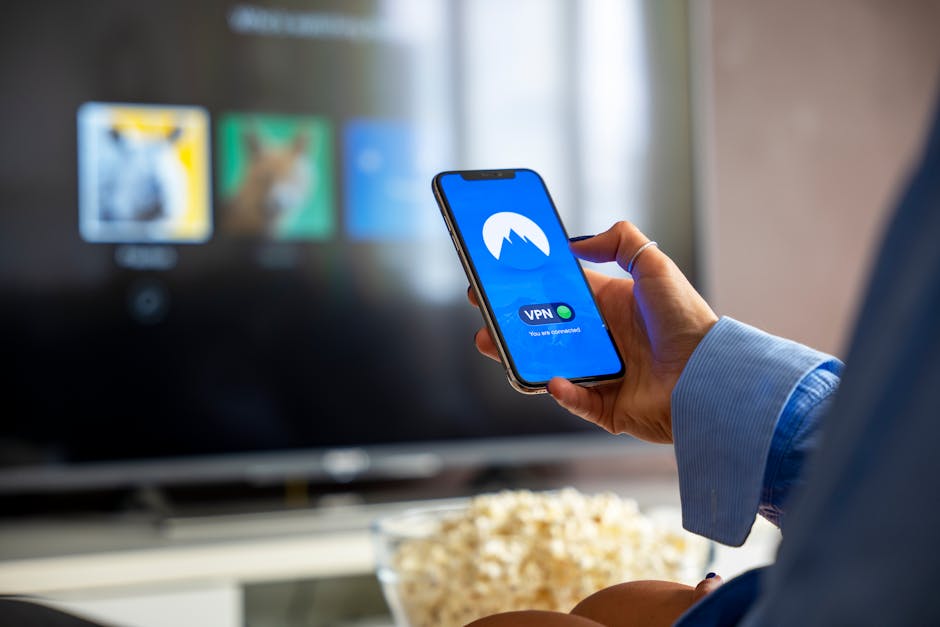
One of the most potent tools in your privacy arsenal is a Virtual Private Network (VPN), especially when configured at the router level. While many smart TVs don't natively support VPN apps, installing a VPN directly on your home router ensures that all devices connected to that network, including your smart TV, benefit from its encryption and IP address masking capabilities. This means that your smart TV's internet traffic is encrypted, making it far more difficult for internet service providers (ISPs), advertisers, and even some smart TV manufacturers to monitor your online activities and associate them with your real IP address. It adds a crucial layer of anonymity and security, scrambling the data stream before it leaves your home and making it significantly harder for external entities to track your online footprint.
A router-level VPN effectively cloaks your entire household's internet usage, not just your TV. This means your smart TV's requests for content, its interactions with app servers, and any diagnostic data that might still slip through are routed through an encrypted tunnel and appear to originate from the VPN server's IP address, not your home's. This not only enhances privacy but can also bypass geo-restrictions, allowing you to access content from different regions, which is a fantastic bonus. When choosing a VPN, prioritize providers with a strict no-logs policy, strong encryption standards, and a proven track record of protecting user privacy. This investment in network-level security can significantly elevate the overall privacy posture of your entire smart home ecosystem, not just your television.
Segmenting Your Network with a Guest Wi-Fi
For those with a bit more technical acumen, setting up a separate guest Wi-Fi network for your smart TV and other IoT devices can be an excellent privacy and security strategy. Most modern routers offer the ability to create multiple Wi-Fi networks, effectively segmenting your devices. By placing your smart TV on a guest network that is isolated from your primary network (where your computers, smartphones, and sensitive data reside), you create a protective barrier. If your smart TV or one of its apps were ever compromised, the breach would be contained to the guest network, preventing malicious actors from gaining access to your more sensitive devices and personal files. This network segmentation significantly reduces the "blast radius" of any potential security incident, offering an additional layer of defense against sophisticated attacks or even simple malware.
Think of it as having a separate, less secure entrance for visitors to your digital home. While your main living areas are locked down, the guest area offers access to entertainment but keeps your personal valuables out of reach. This approach not only enhances security but also gives you more control over the internet access of your smart devices. You can, for instance, configure the guest network with specific DNS settings or even restrict its access to certain websites or services, further limiting the data exfiltration capabilities of overly aggressive smart TV apps. It's a proactive measure that acknowledges the inherent vulnerabilities of IoT devices and builds a resilient defense around your most valuable digital assets.
Regularly Reviewing Privacy Policies and Firmware Updates
As I mentioned earlier, the digital landscape is fluid. Manufacturers frequently update their firmware, introduce new features, and sometimes, subtly alter their privacy policies. Make it a habit to periodically check for new firmware updates for your smart TV. While updates often bring security patches and new functionalities, they can also reset your privacy settings to default or introduce new data collection mechanisms. After any major update, take a few minutes to revisit the privacy settings we discussed, ensuring that your preferences are still respected. Similarly, while reading every line of a privacy policy is a monumental task, try to at least skim through significant changes, particularly those highlighted by the manufacturer, to understand if new data collection practices are being introduced.
This ongoing vigilance is a cornerstone of effective digital self-defense. It's about being an active participant in your privacy, rather than a passive recipient of corporate policies. Think of it like performing routine maintenance on your car; you wouldn't expect it to run perfectly forever without checking the oil or rotating the tires. Your smart TV, as a complex piece of networked technology, requires similar attention. By staying informed and regularly reviewing these aspects, you empower yourself to adapt to new challenges and maintain control over your personal data in the long run.
Considering Alternative Devices for Streaming
If, after all these steps, you still feel uncomfortable with the inherent data collection capabilities of your smart TV, or if you find that your TV's settings are simply too opaque or restrictive, consider using an external streaming device. Devices like the Apple TV, Nvidia Shield, or even certain Roku or Fire TV sticks (when properly configured for privacy) can offer a more controlled streaming experience. By routing all your content through an external device, you can bypass many of the smart features of the TV itself, effectively turning your smart TV into a "dumb" monitor for the external streamer. This allows you to apply privacy settings and VPNs to the external device, which often offers more granular control than the TV's native operating system.
While this might seem counterintuitive, buying a smart TV only to "dumb it down" is a legitimate and increasingly popular strategy for privacy-conscious consumers. It ensures that the primary data collection is happening on a device you have more control over, rather than the embedded, often unchangeable, systems of the television itself. It's a way to enjoy the large, beautiful display of a smart TV without necessarily subscribing to its underlying data-mining agenda. This decision ultimately depends on your comfort level with the remaining privacy risks and your willingness to invest in additional hardware for enhanced digital autonomy.
Ultimately, the battle for digital privacy in the age of smart TVs is an ongoing one. It's a constant negotiation between convenience and control, between entertainment and surveillance. But armed with knowledge and a proactive approach, you can transform your living room from a data farm into a truly private and enjoyable sanctuary. Your smart TV should serve you, not the other way around. By taking these steps, you’re not just protecting yourself; you’re contributing to a broader movement that demands greater transparency, stronger privacy protections, and more ethical data practices from the tech industry. It's a fight worth fighting, one setting at a time.