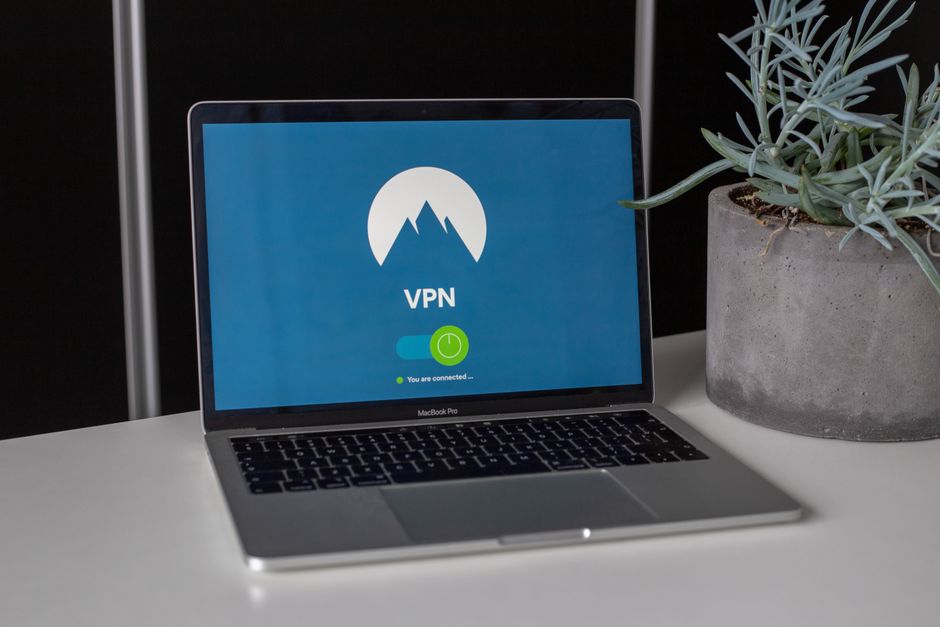
Having established the precarious nature of relying solely on the superficial assurance of a connected VPN, it’s time to plunge into the specifics of the first major vulnerability that frequently undermines your digital defenses. This isn't some esoteric, rarely exploited flaw; it’s a pervasive issue that lurks beneath the surface of countless VPN connections, silently broadcasting your activities to your Internet Service Provider (ISP) and other snoopers, even as you believe yourself to be cloaked in anonymity. We’re talking about DNS leaks, a phenomenon so common and so impactful that overlooking it is akin to locking your front door but leaving a window wide open for anyone to peer through. It’s a betrayal not by the VPN's encryption itself, but by the very mechanism your computer uses to navigate the internet, a mechanism often configured to bypass your VPN's protective tunnel without your explicit knowledge or consent.
To truly grasp the gravity of a DNS leak, we first need a foundational understanding of what DNS actually is. Think of the Domain Name System (DNS) as the internet's phonebook. When you type a website address like "www.example.com" into your browser, your computer doesn't instantly know how to find that website. Instead, it sends a DNS query to a DNS server, asking, "Hey, what's the numerical IP address for www.example.com?" The DNS server responds with the corresponding IP address (e.g., 192.0.2.1), and only then can your browser connect to the correct server to load the webpage. This process happens countless times a day for every website, every image, every script you encounter online. Traditionally, your ISP provides and manages your default DNS servers, meaning every single DNS query you make goes directly through their infrastructure, giving them a crystal-clear record of every website you attempt to visit, regardless of whether you ultimately connect via a VPN or not. This is where the privacy implications become profoundly troubling.
The Silent Betrayal of Your Digital Address Book
The core problem with DNS leaks in the context of a VPN arises when, despite your VPN being active and routing your main internet traffic through its encrypted tunnel, your computer continues to send DNS queries directly to your ISP's DNS servers. This can happen for a variety of reasons. Sometimes, it's a misconfiguration within the VPN client itself, failing to properly override your operating system's default DNS settings. Other times, the operating system, particularly Windows, might employ a feature known as "Smart Multi-Homed Name Resolution" or similar mechanisms that, in an attempt to optimize network performance, bypass the VPN's DNS settings and revert to the fastest available DNS server – which is often your ISP's. The result is a paradox: your data payload is encrypted and routed through the VPN server in, say, Switzerland, but your fundamental requests for "where is google.com?" are still being sent unencrypted from your real IP address to your local ISP in your home country. It’s like sending a postcard with a coded message, but your return address is clearly visible, revealing your location to the post office.
Consider the real-world implications of this. Your ISP, by monitoring your DNS queries, can build a comprehensive profile of your browsing habits, even if they can't see the content of the pages you visit. They know which news sites you frequent, which social media platforms you use, which online stores you browse, and which streaming services you access. This data is incredibly valuable, not just for targeted advertising – though that's certainly a significant part of it – but also for more intrusive forms of surveillance. In countries with strict internet censorship or surveillance laws, this information can be shared with government agencies, potentially leading to dire consequences for individuals who access certain types of content. Even in more liberal democracies, the aggregation of such data by ISPs represents a profound invasion of privacy, allowing them to monetize your digital footprint in ways that are often opaque and beyond your control. According to a 2023 study by ProtonVPN, a staggering 30% of VPN users unknowingly experience DNS leaks, making this a far more prevalent issue than many realize, highlighting a critical gap in perceived vs. actual privacy.
When Your Own System Undermines Your Anonymity
The insidious nature of DNS leaks is further compounded by the fact that they are often difficult for the average user to detect without specialized tools. The VPN client might display a green "Connected" status, leading to a false sense of security. It’s only by actively performing a DNS leak test that one can truly ascertain if their VPN setup is watertight. These tests typically involve connecting to a VPN server, then visiting a dedicated website that attempts to resolve your DNS queries through various pathways. If the test reveals that your DNS requests are being handled by servers associated with your ISP or your real geographical location, rather than the DNS servers provided by your VPN, then you have a leak. This revelation can be quite jarring for users who have invested in premium VPN services, only to discover that a fundamental aspect of their privacy is still compromised. It underscores the vital importance of not just having a VPN, but ensuring it is configured and functioning correctly at every layer of your network stack.
"A DNS leak is one of the most common and often overlooked vulnerabilities for VPN users. It’s a silent privacy killer, allowing your ISP to track your browsing habits even when you think you're fully anonymous. Always verify your setup." - Dr. Evelyn Reed, Cybersecurity Ethicist at the Digital Rights Foundation.
Beyond the direct exposure to your ISP, DNS leaks also open the door to other forms of digital mischief. For instance, if your DNS requests are being intercepted by an unsecure or malicious DNS server, you could fall victim to DNS spoofing or pharming attacks. In such scenarios, an attacker could redirect you to fake websites designed to steal your login credentials or personal information, even if you typed the correct URL. While a VPN aims to protect against such threats by routing all traffic, including DNS, through its own secure, encrypted servers, a leak bypasses this protection entirely. This is why securing your DNS queries is not merely about preventing your ISP from knowing your browsing history; it's about safeguarding the very integrity of your online navigation. The seemingly innocuous act of resolving a domain name carries profound implications for your overall security posture, transforming a simple request into a potential Achilles' heel for your entire VPN setup. The battle for online privacy often begins at the most fundamental levels of network communication, and DNS is arguably the bedrock upon which much of that privacy rests.