As I sit here, typing away on my computer, I often wonder if someone is watching my every move. It's a feeling that's hard to shake, especially when I'm browsing the internet. You see, our internet service providers (ISPs) have the ability to see everything we do online, from the websites we visit to the emails we send. It's a bit unnerving, to say the least. But have you ever stopped to think about just how much your ISP can see, and what they might be doing with that information? It's a topic that's not often discussed, but it's one that's extremely important in today's digital age.
In recent years, there have been numerous reports of ISPs spying on their customers, collecting and selling their data to third-party companies. This has led to a growing concern about online privacy, and the need for individuals to take steps to protect themselves. One way to do this is by using a virtual private network (VPN), which can help to mask your online activities and prevent your ISP from collecting your data. But before we dive into the world of VPNs, let's take a closer look at just how your ISP is spying on you, and what you can do to stop them.
They're Watching Your Every Move
ISPs have the ability to see everything you do online, from the websites you visit to the emails you send. They can even see the devices you're using to connect to the internet, and the apps you're using on those devices. This is because your ISP is the gateway between your device and the internet, and all of your online traffic has to pass through their servers. This gives them a unique insight into your online activities, and allows them to collect a vast amount of data about you. But what are they doing with all of this data? The answer might surprise you.
Many ISPs are selling their customers' data to third-party companies, who use it to target them with ads and other marketing materials. This is a lucrative business, with companies willing to pay top dollar for access to your browsing history and other online activities. But it's not just advertisers who are interested in your data. Governments and law enforcement agencies are also keen to get their hands on it, and many ISPs are happy to oblige. This has led to a growing concern about online privacy, and the need for individuals to take steps to protect themselves.
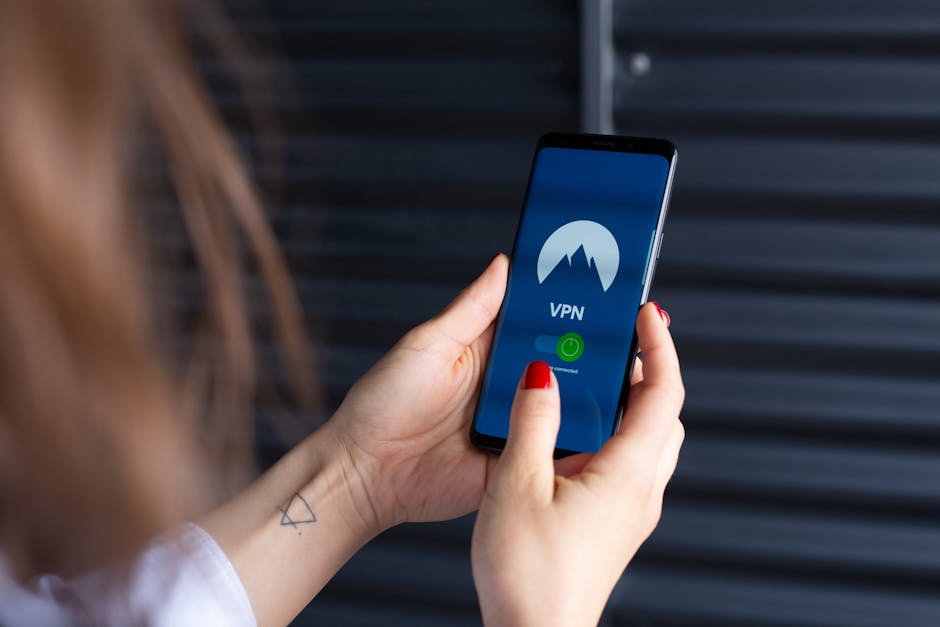
So, how can you stop your ISP from spying on you? One way is to use a VPN, which can help to mask your online activities and prevent your ISP from collecting your data. A VPN works by creating a secure, encrypted tunnel between your device and the internet, which makes it impossible for your ISP to see what you're doing online. This is because all of your online traffic is routed through the VPN server, rather than your ISP's servers. But VPNs aren't the only way to protect yourself, and we'll be exploring other methods later in this article.
The Importance of Online Privacy
Online privacy is a topic that's often overlooked, but it's one that's extremely important in today's digital age. With the rise of the internet and social media, we're sharing more and more of our personal lives online. This has created a treasure trove of data for companies and governments to exploit, and it's led to a growing concern about online privacy. But what exactly is online privacy, and why is it so important? Online privacy refers to the right to control what personal information is collected, stored, and shared about you online. This includes everything from your browsing history to your personal data, such as your name and address.
The importance of online privacy cannot be overstated. Without it, we're leaving ourselves open to all sorts of risks, from identity theft to targeted advertising. And it's not just individuals who are at risk - businesses and organizations are also vulnerable to cyber attacks and data breaches. This is why it's so important to take steps to protect yourself online, whether it's by using a VPN or being more mindful of what you share on social media. By taking control of your online privacy, you can help to protect yourself and your personal data from those who would seek to exploit it.
"The right to privacy is a fundamental human right, and it's essential that we take steps to protect it in the digital age. This includes being mindful of what we share online, and taking steps to secure our personal data. By doing so, we can help to create a safer and more secure online environment for everyone." - Expert in online privacy
As we can see, online privacy is a complex and multifaceted issue. It's not just about protecting our personal data - it's also about creating a safer and more secure online environment. This is why it's so important to take steps to protect ourselves online, whether it's by using a VPN or being more mindful of what we share on social media. By doing so, we can help to create a better internet for everyone, and protect ourselves from those who would seek to exploit us.