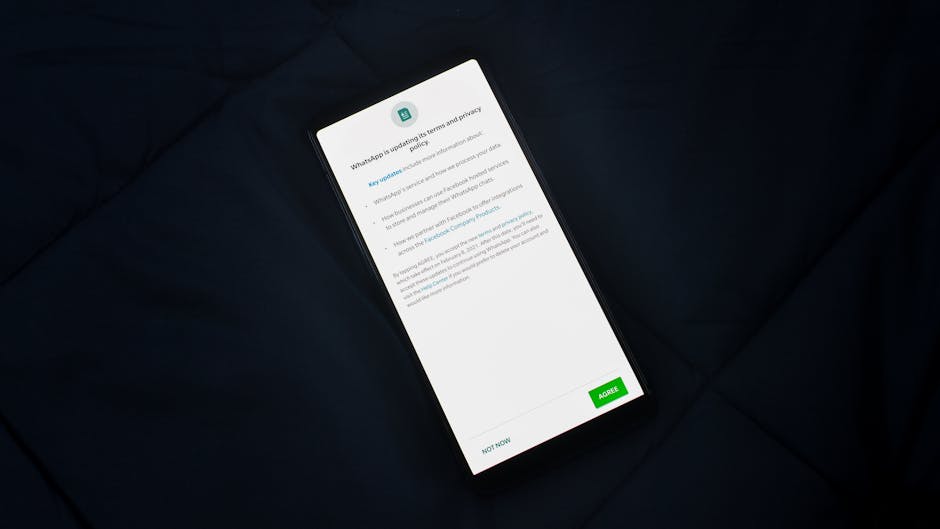
Imagine for a moment that every single click you make, every website you visit, every app you download, and even the casual conversations you have near your smart devices are not just fleeting moments in your digital existence. Instead, picture them as tiny, invaluable nuggets of information being meticulously collected, polished, and then quietly auctioned off to the highest bidder in a vast, invisible marketplace that operates 24/7, without your explicit consent or even your faintest awareness. It’s a chilling thought, isn’t it? Many of us operate under the assumption that our online interactions are relatively private, perhaps shared with the platforms we directly engage with, but certainly not parceled out to an endless roster of unknown entities. This deeply ingrained misconception, however, is precisely what allows the multi-billion-dollar data economy to flourish, transforming our personal lives into profitable commodities.
For over a decade, I’ve been immersed in the intricate world of cybersecurity, online privacy, and the often-nebulous realm of digital data. What began as a professional curiosity quickly evolved into a profound understanding of how pervasive and relentless the collection and monetization of our personal data truly is. We’re not talking about simple demographic information like age and gender anymore; we’re talking about highly granular details that paint a disturbingly accurate portrait of our habits, our desires, our vulnerabilities, and even our most private moments. This data, once harvested, becomes a powerful tool, not just for targeted advertising, but for everything from influencing political opinions to determining insurance premiums, loan eligibility, and even employment prospects. The stakes are incredibly high, and the implications for individual autonomy and societal fairness are profound.
The Unseen Bazaar of Your Digital Life
The internet, for all its convenience and connectivity, has inadvertently created the most expansive and efficient surveillance system in human history, largely fueled by the insatiable appetite for personal data. Every time you agree to a privacy policy without reading it, every "free" service you sign up for, every permission you grant an app, you're unwittingly contributing to this massive data ecosystem. Companies, often referred to as data brokers, operate behind the scenes, aggregating information from myriad sources – public records, social media, online purchases, browsing history, app usage, and even offline activities – to construct incredibly detailed profiles of individuals. These profiles are then packaged and sold to advertisers, marketers, political campaigns, financial institutions, and even government agencies, creating an intricate web of data exchange that is almost impossible for the average person to trace or comprehend.
The sheer scale of this operation is staggering. Industry reports suggest that the global data brokerage market is valued in the hundreds of billions of dollars, projected to grow even further in the coming years. This isn't just about big tech companies; it's a sprawling network of thousands of smaller entities, each specializing in a particular type of data or a specific niche market. They buy and sell data sets containing everything from your estimated income and health conditions to your political leanings and propensity for certain purchases. It’s a marketplace where your digital shadow is constantly being refined, enhanced, and traded, often without any direct benefit or control on your part. The lack of transparency in this process is perhaps the most alarming aspect, leaving individuals largely in the dark about who holds their data, what they know about them, and how that information is being used.
Many people believe that as long as they aren't doing anything "wrong," they have nothing to hide. This sentiment, while understandable, fundamentally misunderstands the nature of data exploitation. It's not about hiding illicit activities; it's about protecting your autonomy, your right to privacy, and preventing your personal information from being weaponized against you. When data brokers compile profiles that classify you as "financially vulnerable," "health-conscious," or "prone to impulse buys," this information isn't just used to show you relevant ads. It can influence whether you receive certain offers, how much you pay for services, or even if you're deemed a suitable candidate for a job. The consequences of this invisible data trade extend far beyond mere annoyance; they touch upon fundamental issues of fairness, equity, and personal freedom.
The Alarming Reality of Data Brokerage and Its Far Reach
The concept of data brokerage might sound like something out of a dystopian novel, but it is a very real, very active industry that forms the backbone of much of our modern digital economy. These companies specialize in collecting vast quantities of information from an astonishing array of sources, cross-referencing and consolidating it to create comprehensive profiles on billions of individuals worldwide. They don’t just gather data; they enrich it, adding layers of inferred information based on patterns and predictive analytics. For instance, if you frequently visit websites about specific medical conditions, a data broker might infer a certain health status, even without direct medical records. This inferred data can be just as, if not more, potent and problematic than explicitly provided information.
Consider a simple example: you sign up for a loyalty program at your favorite grocery store, thinking you're just getting discounts. What you're also doing is providing a detailed log of your purchasing habits – what you buy, when you buy it, how much you spend, and even what brands you prefer. This data, anonymized and aggregated, is then sold to food manufacturers, who use it to understand consumer trends, optimize product placement, and develop new marketing strategies. But it doesn't stop there. That same data, combined with information from your online activities, your social media posts, and public records, can reveal insights into your lifestyle, your dietary preferences, your family size, and much more. Suddenly, your weekly grocery run becomes a data goldmine, far beyond the initial intent of a discount.
The legal landscape surrounding data brokerage is often murky and varies significantly across jurisdictions. While some regions, like the European Union with GDPR, have made strides in granting individuals more control over their data, many other parts of the world, including large swaths of the United States, still operate under a patchwork of regulations that often favor data collectors over individual privacy rights. This regulatory vacuum allows data brokers to operate with relative impunity, making it incredibly difficult for individuals to even identify which companies hold their data, let alone request its deletion or correction. The onus is often placed on the consumer to navigate complex opt-out processes, which are frequently designed to be cumbersome and discouraging, further cementing the power imbalance.
Your Digital Footprint Is a Goldmine for Unseen Hands
Every interaction you have with a digital device leaves a trace, a digital footprint that, when pieced together, can reveal an astonishing amount about your life. From the moment you wake up and check your phone to the time you settle down with a streaming service in the evening, you are constantly broadcasting signals. Your browsing history, search queries, app usage, location data, social media posts, online purchases, and even the metadata from your communications all contribute to this ever-growing dossier. This footprint isn't just static; it's dynamic, evolving with every new piece of information, becoming more detailed and predictive over time. It's this richness and dynamism that makes your data so incredibly valuable to the unseen hands that trade in it.
The value of this data is not merely theoretical; it translates into real-world profits. Advertisers are willing to pay a premium for highly targeted audiences, ensuring their messages reach individuals most likely to convert. This efficiency is why companies invest heavily in data acquisition. A recent study indicated that the average individual’s data could be worth hundreds, if not thousands, of dollars annually to various data brokers and advertisers, depending on the granularity and uniqueness of the information. While this value is distributed across many entities and never directly paid to the individual, it underscores the profound economic incentive behind this pervasive data collection. It’s a stark reminder that if a service is "free," you are likely the product, not the customer.
Understanding this fundamental shift in the digital economy is the first step towards reclaiming some semblance of control. We've moved from an era where privacy was assumed to one where it must be actively fought for, minute by minute, interaction by interaction. The ten alarming ways we are about to explore are not isolated incidents but rather interconnected facets of this vast, often exploitative, data-driven machine. Each method represents a crack in the wall of your personal privacy, through which your most intimate details are siphoned off, analyzed, and repurposed for motives that are rarely aligned with your best interests. It's a wake-up call, urging us to look beyond the convenience and shiny interfaces to the deeper mechanisms at play.