Smishing and Vishing The Evolving Art of Phone-Based Deception
While email phishing remains a dominant threat, cybercriminals are increasingly leveraging our smartphones to execute their deceptive schemes. "Smishing" is essentially phishing conducted via SMS text messages. These messages often appear to be from legitimate sources like your bank, a delivery service, or a government agency, containing urgent warnings about suspicious activity, package delivery issues, or tax refunds. The texts typically include a malicious link designed to trick you into entering personal information on a fake website or downloading malware. The urgency and brevity of text messages, combined with our tendency to quickly click links on our phones, make smishing attacks highly effective. I've seen countless cases where individuals, already accustomed to receiving legitimate alerts via SMS, fall victim to these expertly crafted fakes, inadvertently handing over their banking credentials or personal details.
Building on this mobile deception, "vishing" (voice phishing) takes the attack to a more personal level, using phone calls to impersonate trusted entities. Attackers might spoof legitimate phone numbers, making it appear as though the call is coming from your bank, the IRS, or a tech support company. They then employ social engineering tactics to convince you to divulge sensitive information, transfer money, or grant them remote access to your computer. The human element of a phone call often adds a layer of perceived legitimacy, making it harder to discern a scam. A common vishing tactic involves alarming you with a fabricated threat, such as an imminent arrest for unpaid taxes or a compromised bank account, pressuring you into immediate action without giving you time to think or verify. The emotional manipulation in vishing can be incredibly powerful, leading even tech-savvy individuals to make decisions they would otherwise avoid, ultimately resulting in significant financial losses or identity compromise.
IoT Devices The New Frontier for Data Exploitation
The Internet of Things (IoT) has revolutionized our homes and workplaces, connecting everything from smart thermostats and security cameras to fitness trackers and voice assistants. While these devices offer unparalleled convenience, they also represent a rapidly expanding attack surface for cybercriminals. Many IoT devices are designed with convenience over security, often shipping with default, easily guessable passwords, or containing unpatched vulnerabilities that manufacturers are slow to address. Once compromised, these devices can be used in a multitude of ways to steal personal data. A smart camera, for instance, could be hacked to spy on your home, capturing private moments. A smart speaker could be hijacked to record conversations. Even seemingly innocuous devices like smart lightbulbs or thermostats can provide entry points into your home network, allowing attackers to access other, more sensitive devices.
Beyond direct surveillance, compromised IoT devices can be leveraged to create botnets, vast networks of hijacked devices used to launch distributed denial-of-service (DDoS) attacks or mine cryptocurrencies, all while siphoning off bits of your data. Perhaps more subtly, the data collected by these devices – your routines, your energy consumption patterns, your health metrics – can be aggregated and sold, painting an incredibly detailed picture of your life. Imagine the implications if a smart home system, designed to make your life easier, inadvertently reveals when you're away from home, making you a target for physical theft, or if your fitness tracker data is used to discriminate against you by insurance companies. The proliferation of IoT devices demands a fundamental shift in how we approach security, recognizing that every connected gadget in our lives is a potential gateway for data theft and privacy invasion, extending the battle for personal data far beyond our traditional computers and smartphones.
Unsecured Cloud Storage and Services A Hidden Reservoir of Vulnerability
Cloud computing has become an indispensable part of our digital lives, offering convenient storage, seamless collaboration, and powerful applications accessible from anywhere. From personal photos stored on Google Drive or iCloud to sensitive business documents on Dropbox or OneDrive, we entrust vast amounts of our personal and professional data to third-party cloud providers. While these services offer robust security measures, the weakest link often lies with the user. Misconfigurations, weak access controls, and a lack of understanding regarding sharing settings can turn these convenient platforms into open doors for data thieves. Leaving cloud storage buckets publicly accessible without proper authentication, sharing links with overly broad permissions, or using weak passwords for cloud accounts are common mistakes that create significant vulnerabilities.
We've seen numerous high-profile incidents where misconfigured Amazon S3 buckets or open Microsoft Azure blobs have exposed millions of sensitive records, including customer databases, proprietary code, and personal health information. These aren't necessarily "hacks" in the traditional sense, but rather a failure to properly secure the data that users or companies have uploaded. Furthermore, even with strong user-side security, the cloud providers themselves are not immune to breaches, as evidenced by incidents affecting major cloud platforms. The sheer volume and sensitivity of data concentrated in cloud environments make them incredibly attractive targets. It's a constant reminder that while the cloud offers immense benefits, the responsibility for securing your data ultimately remains a shared one, requiring both diligent user practices and robust provider safeguards. Trusting your data to the cloud requires an active understanding of its security implications, not just a passive reliance on convenience.
Fortifying Your Digital Defenses A Practical Guide to Reclaiming Your Privacy
Navigating the treacherous waters of online data theft can feel overwhelming, like an endless game of whack-a-mole against an invisible enemy. However, empowering yourself with knowledge and implementing proactive security measures can significantly reduce your vulnerability and help you reclaim control over your digital life. It's not about becoming a cybersecurity expert overnight, but rather about cultivating smart habits and making informed choices that build layers of protection around your personal information. Think of it as constructing a digital fortress, brick by brick, against the relentless tide of cyber threats.
Embrace the Power of Strong, Unique Passwords and Multi-Factor Authentication
The foundation of your digital security lies in your passwords. Ditching easily guessable phrases like "password123" or your pet's name is non-negotiable. Instead, create long, complex passphrases that combine uppercase and lowercase letters, numbers, and symbols. A phrase like "MyCyb3rS3cur1tyJourney!" is far more robust than a single word. Crucially, avoid reusing passwords across multiple accounts. If one service is breached, every other account using that same password becomes instantly vulnerable. This is where a reputable password manager becomes an indispensable tool, securely generating and storing unique, complex passwords for all your online services, meaning you only need to remember one master password. It’s an investment in convenience and, more importantly, in your security.
Beyond strong passwords, multi-factor authentication (MFA) is your ultimate shield. MFA adds an extra layer of verification beyond just your password, typically requiring a code sent to your phone, a fingerprint scan, or a prompt from an authenticator app. Even if a cybercriminal manages to steal your password, they still won't be able to access your account without that second factor. Enable MFA on every single account that offers it, especially for email, banking, social media, and any service storing sensitive information. This simple step can thwart the vast majority of account takeover attempts, turning a potential disaster into a mere inconvenience.
The Imperative of Regular Software Updates and a Robust VPN
Many data breaches and malware infections exploit known vulnerabilities in outdated software. Operating systems, web browsers, applications, and even your router's firmware all receive regular updates that often include critical security patches. Ignoring these updates leaves gaping holes in your digital defenses, inviting attackers to walk right in. Make it a habit to install updates as soon as they become available, enabling automatic updates whenever possible. Think of these updates as regular maintenance for your digital home; neglecting them is like leaving your doors and windows unlocked.
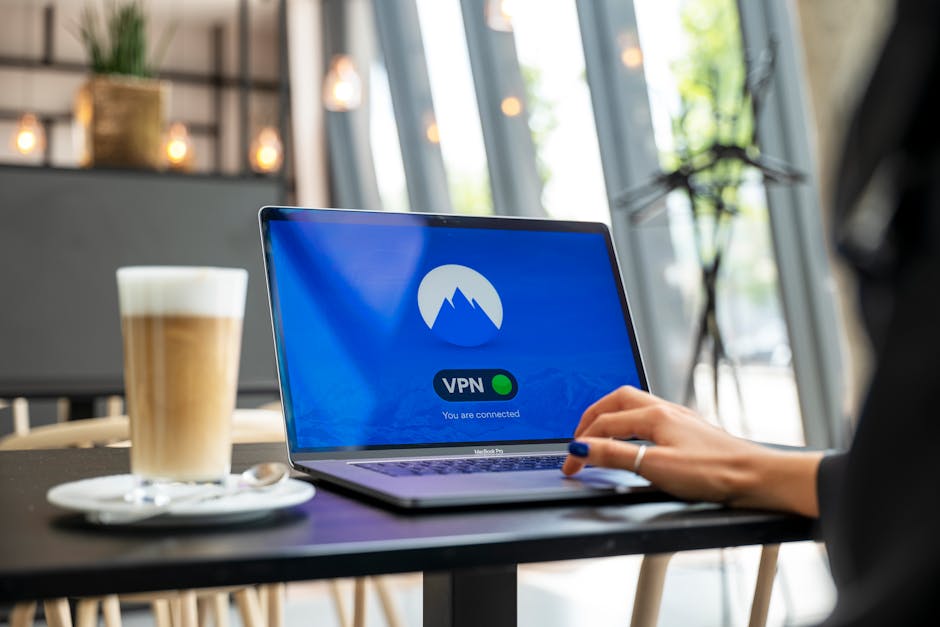
When venturing onto public Wi-Fi networks, a Virtual Private Network (VPN) is no longer a luxury, it's a necessity. A VPN encrypts your internet connection, creating a secure tunnel between your device and the internet, even on unsecured networks. This means that anyone attempting a Man-in-the-Middle attack or sniffing network traffic will only see scrambled, unreadable data, rendering their efforts useless. Furthermore, a quality VPN can mask your IP address, enhancing your overall online anonymity and making it harder for third-party trackers and data brokers to build comprehensive profiles of your browsing habits. Choose a reputable VPN provider with a strict no-logs policy to ensure your privacy is truly protected.
Cultivating a Healthy Skepticism and Vigilant Online Habits
Much of data theft relies on exploiting human trust and curiosity. Developing a healthy skepticism towards unsolicited communications is paramount. Always scrutinize emails, text messages, and phone calls, especially those that demand urgent action, offer unbelievable deals, or contain suspicious links or attachments. Before clicking any link, hover over it to reveal the true URL, looking for discrepancies. If an email or call claims to be from a legitimate organization, verify it independently by visiting their official website or calling a publicly listed customer service number, rather than using contact information provided in the suspicious communication itself. Remember, no legitimate organization will ask for your password or sensitive financial details via email or text message.
Regularly review your privacy settings on social media platforms, apps, and online services. Understand what data you are sharing, with whom, and restrict access where possible. Be mindful of the information you post publicly online, as cybercriminals can leverage even seemingly innocuous details for social engineering or identity theft. Consider using privacy-focused browsers or browser extensions that block trackers and ads. Periodically check your credit report for any suspicious activity, and consider enrolling in an identity theft protection service. By adopting these vigilant habits and consistently applying layers of digital defense, you can significantly empower yourself in the ongoing battle for personal data, transforming from a potential victim into a formidable guardian of your own digital privacy.