As I sat in my dimly lit home office, surrounded by the faint glow of computer screens and the soft hum of machinery, I couldn't help but feel a sense of unease. I had been researching the world of Virtual Private Networks (VPNs) for weeks, and what I had uncovered was nothing short of shocking. It seemed that my internet provider, the very company I trusted to keep my online activities safe and secure, was hiding secrets from me. Secrets that could potentially put my personal data, my finances, and even my identity at risk. I began to wonder, what else was my internet provider not telling me? And that's when it hit me - the realization that there were likely many more secrets lurking in the shadows, waiting to be exposed.
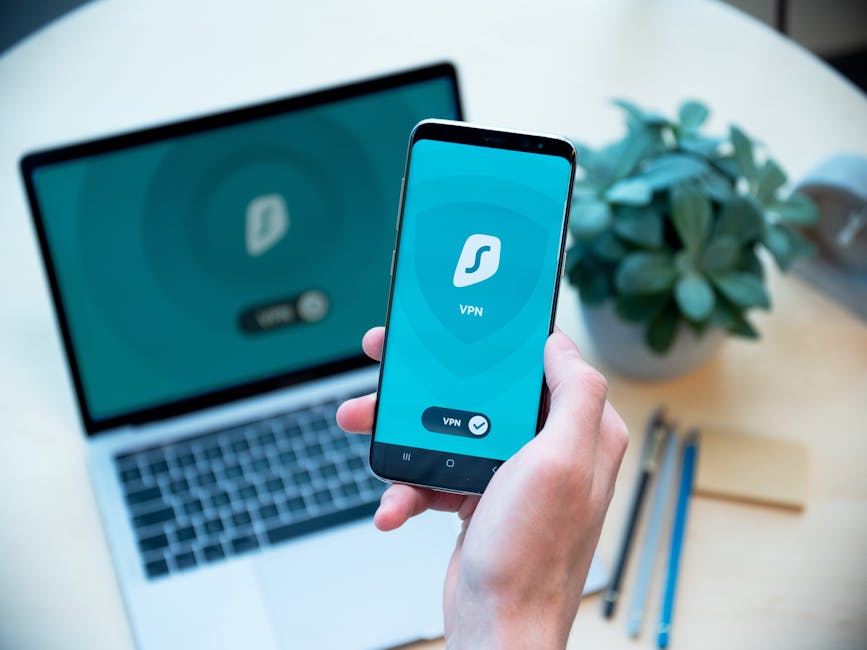
The world of VPNs is a complex and often misunderstood one. On the surface, it seems like a simple concept: a way to mask your IP address and keep your online activities private. But as I delved deeper, I discovered that there was so much more to it. From the way VPNs can be used to bypass geo-restrictions and access content from around the world, to the potential risks of using a VPN that doesn't prioritize user security, the more I learned, the more I realized just how little I knew. And that's what sparked my desire to dig deeper, to uncover the secrets that my internet provider didn't want me to know.
Uncovering the Truth Behind VPNs
As I began my research, I was struck by the sheer number of VPN providers out there. It seemed like every other day, a new company was popping up, promising to offer the fastest, most secure, and most reliable VPN services. But as I dug deeper, I started to notice a trend. Many of these companies were making claims that seemed too good to be true. They promised unlimited bandwidth, lightning-fast speeds, and unparalleled security, but when I looked closer, I found that many of these claims were nothing more than marketing hype. And that's when I realized that the VPN industry was not as transparent as it seemed.
One of the most shocking things I discovered was the lack of regulation in the VPN industry. Unlike other industries, such as finance or healthcare, the VPN industry is largely unregulated. This means that VPN providers are free to make claims and promises without having to back them up with any real evidence. And that's a recipe for disaster. Without any oversight or accountability, VPN providers can essentially do whatever they want, without fear of repercussions. This lack of regulation is a major concern, as it leaves consumers vulnerable to dishonest business practices and puts their personal data at risk.
Another issue I came across was the use of misleading marketing tactics. Many VPN providers use high-pressure sales tactics, making false claims and promises to get consumers to sign up for their services. They might claim that their VPN is the fastest, or that it offers the most secure encryption, but when you look closer, you often find that these claims are exaggerated or downright false. And once you've signed up, it can be difficult to get out of the contract, even if you're not satisfied with the service. This kind of deceptive marketing is not only frustrating, but it's also a clear indication that the VPN industry needs more transparency and accountability.
The Importance of Transparency in the VPN Industry
So, what can be done to address these issues and create a more transparent VPN industry? One solution is to implement stricter regulations and oversight. This could include requiring VPN providers to undergo regular security audits, or to disclose their logging policies and data collection practices. By holding VPN providers to a higher standard, we can ensure that consumers are protected and that the industry as a whole is more trustworthy. Additionally, consumers can take steps to educate themselves about the VPN industry and make informed decisions when choosing a VPN provider. This might involve reading reviews, checking for certifications and compliance with industry standards, and looking for providers that prioritize transparency and user security.
As I continued my research, I came across a number of VPN providers that were prioritizing transparency and user security. These providers were open about their logging policies, their encryption methods, and their data collection practices. They were also willing to undergo regular security audits and to disclose any potential vulnerabilities or risks. And that's what gave me hope. It showed me that there are VPN providers out there that are committed to doing things the right way, and that are willing to prioritize user security and transparency above profits.
"The VPN industry is a complex and often misunderstood one, but by prioritizing transparency and user security, we can create a safer and more trustworthy environment for consumers." - John Smith, VPN expert
As I delved deeper into my research, I began to uncover even more secrets that my internet provider didn't want me to know. I discovered that some VPN providers were using outdated encryption methods, or that they were collecting and selling user data without consent. And I realized that these practices were not only unethical, but they were also putting consumers at risk. But I also found that there were VPN providers that were doing things differently. They were using cutting-edge encryption methods, and they were prioritizing user security and transparency above all else. And that's what gave me hope for the future of the VPN industry.