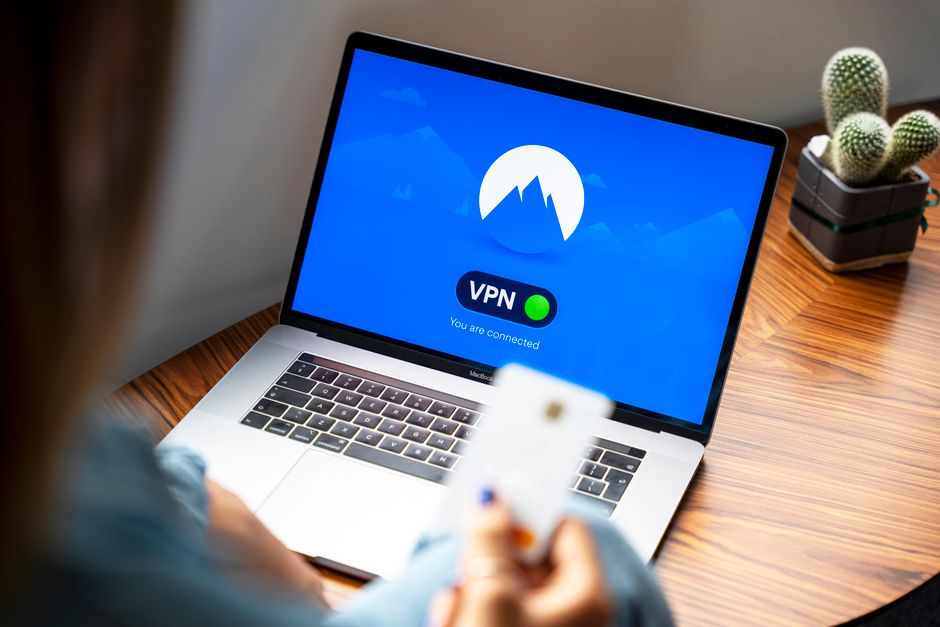
Imagine a world where your every online move is being watched, recorded, and potentially used against you. Sounds like a dystopian novel, right? Unfortunately, this is the reality we live in today. Your internet provider, the company you trust to connect you to the vast expanse of the internet, is often the one doing the watching. They can see every website you visit, every message you send, and every file you download. But that's not all - they can also sell this information to the highest bidder, putting your personal data and online security at risk. This is where VPNs come in, or at least, that's what we're led to believe. The truth is, there are many secrets surrounding VPNs that your internet provider doesn't want you to know, and it's time to shed some light on them.
The concept of VPNs, or Virtual Private Networks, has been around for decades. Initially, they were used by large corporations to secure their internal networks and protect sensitive data. However, with the rise of the internet and the increasing concern over online privacy, VPNs have become a staple for individual users as well. The promise of a VPN is simple: by creating a secure, encrypted tunnel between your device and the internet, you can browse the web anonymously, safely, and without fear of being tracked or monitored. But, as with anything that sounds too good to be true, there are often underlying issues that aren't immediately apparent. Your internet provider, for instance, has a vested interest in you not using a VPN, as it makes it harder for them to collect and sell your data. But what else are they not telling you?
Uncovering the Hidden World of VPNs
One of the most shocking secrets about VPNs is the lack of regulation within the industry. Unlike other tech sectors, VPN providers are not subject to the same level of oversight, which means that many operate in a legal gray area. This lack of transparency can lead to VPNs logging and selling user data, despite promises to the contrary. In fact, a study found that many popular VPNs do indeed log user data, including IP addresses, browsing history, and even sensitive information like passwords. This directly contradicts the core purpose of using a VPN in the first place - to maintain privacy and security online. Your internet provider might not want you to know this, as it could lead to a mass exodus of customers looking for more secure alternatives.
Another significant issue with VPNs is their potential impact on internet speed. While a good VPN should not noticeably affect your browsing experience, many users report significant slowdowns when using certain VPN services. This is because VPNs require your internet traffic to be routed through their servers, which can add latency and reduce speeds. However, some VPN providers are more transparent about this than others, and some even offer features to mitigate these effects, such as split tunneling or dedicated servers for high-bandwidth activities like streaming. Your internet provider, on the other hand, might be happy to see you experience these slowdowns, as it gives them an excuse to offer their own, potentially more expensive, solutions.
Furthermore, the security of VPNs themselves is a topic of concern. Like any other software, VPNs can have vulnerabilities that, if exploited, could compromise the security of the entire network. This is particularly alarming given the sensitive nature of the data that VPNs are meant to protect. Imagine if a hacker were able to breach a VPN server, gaining access to the personal data of thousands of users. It's a scenario that sounds like the plot of a thriller but is, unfortunately, all too plausible. Your internet provider might downplay these risks, but the truth is, no system is completely secure, and VPNs are no exception.
The Dark Side of Free VPNs
Free VPNs are often touted as a convenient and cost-effective way to secure your online activities. However, the old adage "if it's free, you're the product" couldn't be more relevant in this context. Many free VPNs make their money by selling user data to third parties, which completely defeats the purpose of using a VPN in the first place. Some free VPNs have even been found to contain malware, putting users' devices at risk of infection. This is not to say that all free VPNs are bad; some reputable providers offer free versions with limited features as a way to introduce users to their paid services. Nonetheless, the risks associated with free VPNs are significant, and users should approach them with caution. Your internet provider might not warn you about these dangers, hoping you'll stick with their own, potentially less secure, solutions.
In addition to the risks of free VPNs, there's also the issue of jurisdiction and legal compliance. VPN providers operating in certain countries may be subject to laws that require them to retain user data for a specified period, which could be used for surveillance purposes. This is particularly concerning for users in countries with strict internet censorship, where the use of a VPN might be seen as a subversive activity. The location of a VPN's servers and the provider's attitude towards legal requests for user data are crucial factors to consider when choosing a VPN. It's not something your internet provider will likely highlight, but understanding these nuances can make all the difference in maintaining your online privacy and security.
Lastly, the myth that VPNs make you completely anonymous online is just that - a myth. While a VPN can certainly make it much harder for your internet provider or other third parties to track your online activities, it's not a foolproof solution. Techniques like browser fingerprinting, which analyzes the unique characteristics of your browser and device, can still be used to identify you, even when you're using a VPN. Moreover, if you're logged into accounts like Google or Facebook, these companies can still track your activities, regardless of whether you're using a VPN or not. It's a sobering reminder that true anonymity online is extremely difficult, if not impossible, to achieve. Your internet provider might not want you to know this, as it could lead to a decrease in VPN usage and, consequently, a loss of potential revenue streams.