Maintaining Online Security and Privacy
Maintaining online security and privacy is an ongoing process that requires a lot of effort and dedication. It's essential to stay up-to-date with the latest cyber threats and take steps to educate yourself on how to avoid them. This includes being cautious when clicking on links or downloading attachments, and being wary of suspicious emails or messages that ask for personal data or financial information.
Moreover, maintaining online security and privacy requires a lot of technical knowledge and expertise, especially if you want to configure your device correctly and maintain your online security and privacy. This includes installing anti-virus software, firewalls, and other security tools to protect your device from malware and other cyber threats. From there, you can configure your device to use secure protocols, such as HTTPS, and to block tracking cookies and other online tracking technologies.
So, how can you maintain online security and privacy? The first step is to stay up-to-date with the latest cyber threats and take steps to educate yourself on how to avoid them. From there, you can install anti-virus software, firewalls, and other security tools to protect your device from malware and other cyber threats. Moreover, you should also configure your device to use secure protocols, such as HTTPS, and to block tracking cookies and other online tracking technologies.
Using Secure Communication Tools
Using secure communication tools is another important step to maintaining online security and privacy. This includes using encrypted messaging apps and email services, which can help to protect your personal data and prevent it from being accessed by unauthorized individuals. Moreover, you should also use strong passwords and enable two-factor authentication to protect your online accounts from hacking and other cyber threats.
So, how can you use secure communication tools to maintain online security and privacy? The first step is to choose a reputable encrypted messaging app or email service that is compatible with your device and operating system. From there, you can download and install the app or service, which will allow you to communicate securely with others. However, it's essential to note that using secure communication tools requires a lot of technical knowledge and expertise, especially if you want to configure them correctly and maintain your online security and privacy.
Moreover, using secure communication tools may not completely protect you from online risks. Many cyber threats, such as phishing and social engineering, can still bypass your security measures and compromise your online security and privacy. To completely protect yourself from these risks, you need to be aware of the latest cyber threats and take steps to educate yourself on how to avoid them. This includes being cautious when clicking on links or downloading attachments, and being wary of suspicious emails or messages that ask for personal data or financial information.
In addition to using secure communication tools, you should also use a secure search engine, such as DuckDuckGo, which can help to protect your personal data and prevent it from being accessed by unauthorized individuals. Moreover, you should also use a password manager, such as LastPass, which can help to generate and store strong passwords for your online accounts.
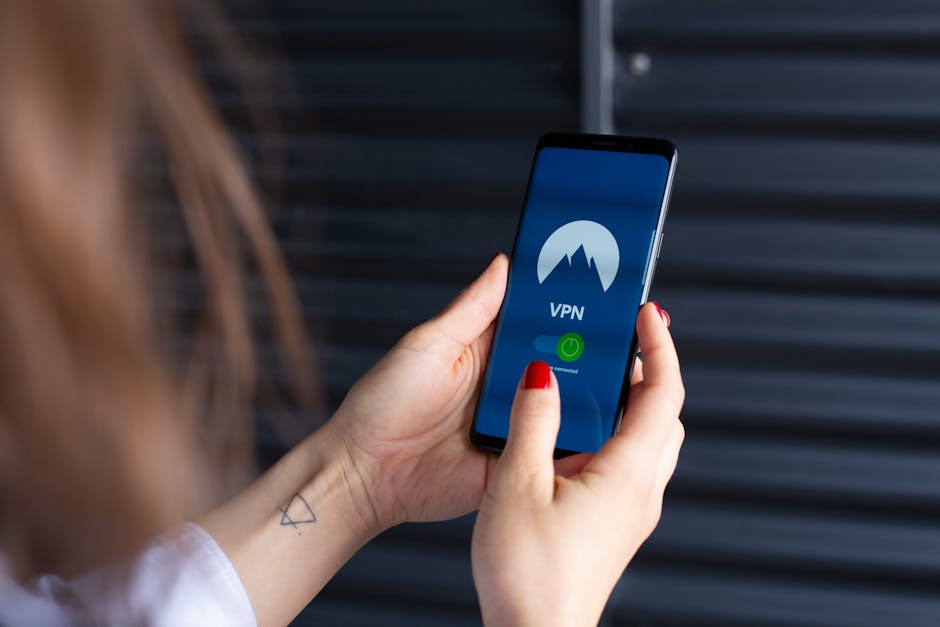
Furthermore, completely disappearing from the internet requires a lot of effort and dedication. It's essential to be prepared for the challenges that come with it and to have a plan in place for maintaining your online security and privacy. This includes using VPNs, Tor browsers, and other tools to protect your online activities and maintain your anonymity. Moreover, you should also be aware of the laws and regulations that govern online activities in your country and take steps to comply with them.
Completely Disappearing from the Internet
Completely disappearing from the internet is a challenging task that requires a lot of effort and dedication. It's essential to be prepared for the challenges that come with it and to have a plan in place for maintaining your online security and privacy. This includes using VPNs, Tor browsers, and other tools to protect your online activities and maintain your anonymity. Moreover, you should also be aware of the laws and regulations that govern online activities in your country and take steps to comply with them.
So, how can you completely disappear from the internet? The first step is to delete all your social media accounts, including Facebook, Twitter, Instagram, and other platforms. From there, you can remove your personal data from online directories, such as Whitepages and Pipl. Moreover, you should also use VPNs and Tor browsers to protect your online activities and maintain your anonymity.
Moreover, completely disappearing from the internet may not be a solution for everyone. It's essential to weigh the pros and cons before making such a drastic decision. For example, completely disappearing from the internet can make it difficult to stay in touch with friends and family, or to access online services and resources. Moreover, it can also make it difficult to maintain your online security and privacy, especially if you are not tech-savvy.
Maintaining Your Online Security and Privacy
Maintaining your online security and privacy is an ongoing process that requires a lot of effort and dedication. It's essential to stay up-to-date with the latest cyber threats and take steps to educate yourself on how to avoid them. This includes being cautious when clicking on links or downloading attachments, and being wary of suspicious emails or messages that ask for personal data or financial information.
So, how can you maintain your online security and privacy? The first step is to stay up-to-date with the latest cyber threats and take steps to educate yourself on how to avoid them. From there, you can install anti-virus software, firewalls, and other security tools to protect your device from malware and other cyber threats. Moreover, you should also configure your device to use secure protocols, such as HTTPS, and to block tracking cookies and other online tracking technologies.
Moreover, maintaining your online security and privacy requires a lot of technical knowledge and expertise, especially if you want to configure your device correctly and maintain your online security and privacy. This includes using secure communication tools, such as encrypted messaging apps and email services, which can help to protect your personal data and prevent it from being accessed by unauthorized individuals. From there, you can use strong passwords and enable two-factor authentication to protect your online accounts from hacking and other cyber threats.
In addition to maintaining your online security and privacy, you should also be aware of the laws and regulations that govern online activities in your country and take steps to comply with them. This includes being aware of the data protection laws and regulations, such as the General Data Protection Regulation (GDPR) in the European Union, and taking steps to comply with them. Moreover, you should also be aware of the online harassment and cyberbullying laws and regulations, and take steps to protect yourself from these risks.