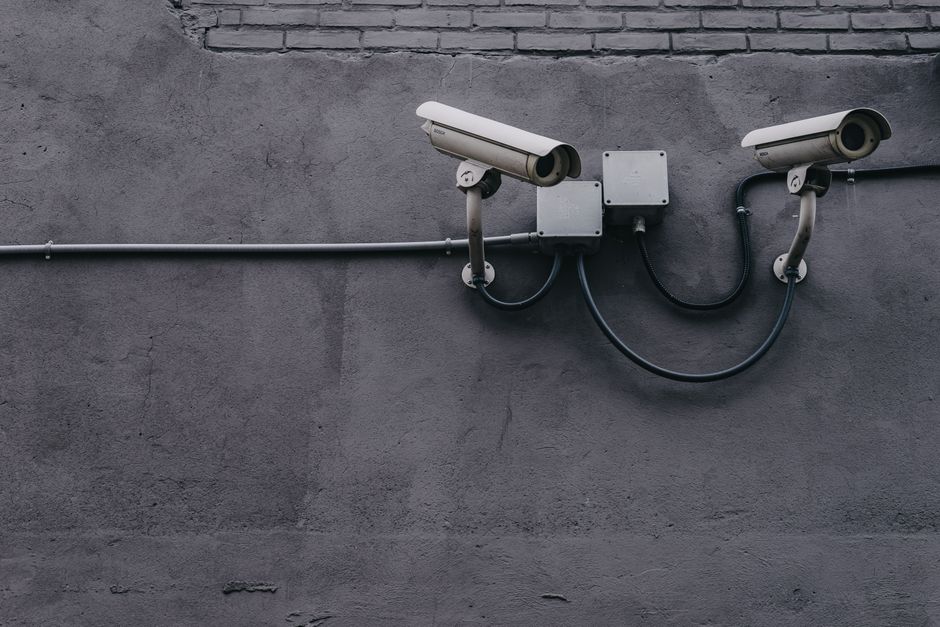
The digital air crackles with an unseen presence, a silent, relentless observer that learns, adapts, and predicts our every move. It’s not a dystopian novel unfolding on a screen; it’s the reality of artificial intelligence, an omnipresent force that has quietly woven itself into the fabric of our daily lives, from the mundane scrolling of social media feeds to the intimate whispers exchanged in private messages. Every click, every search query, every purchase, every location ping, every fleeting interest you express online is a data point, meticulously collected and analyzed by algorithms far more sophisticated than most of us can even begin to comprehend. We've willingly, or perhaps unwittingly, stepped into a vast, interconnected web where our digital footprints are not just trails, but detailed blueprints of our very existence, ripe for the picking by corporations, governments, and malicious actors alike.
For years, we've heard the whispers about online privacy, the importance of strong passwords, and the dangers of public Wi-Fi. These were the foundational lessons in a nascent digital world. But the game has changed dramatically. The advent of advanced AI has elevated surveillance from passive observation to proactive prediction, from mere data collection to sophisticated behavioral modeling that can anticipate your next thought, influence your decisions, and even subtly manipulate your perceptions. The stakes have never been higher; what was once considered a minor inconvenience – targeted ads – has morphed into a fundamental threat to individual autonomy and the very concept of personal freedom in the digital age. This isn't just about hiding your browsing history from your nosy neighbor; it's about reclaiming your digital sovereignty in a world where AI is rapidly becoming the ultimate gatekeeper of information and identity.
The Invisible Chains of Algorithmic Surveillance
Imagine living in a house where every window is transparent, every conversation is recorded, and every step you take is logged and analyzed. That's not a far-fetched metaphor for our online lives; it's the stark reality for billions of internet users. Algorithmic surveillance is the pervasive practice of using complex computer programs, often powered by artificial intelligence and machine learning, to monitor, collect, and analyze vast quantities of data generated by individuals. This isn't just about tracking what websites you visit; it delves into the nuances of your online behavior, the emotional tone of your social media posts, the unique rhythm of your typing, and even the subtle inflections in your voice during online calls. These systems are designed to build incredibly detailed profiles, painting a picture of who you are, what you like, what you fear, and what you might do next, often with an accuracy that can be unsettling.
The mechanisms through which this surveillance operates are numerous and often hidden in plain sight, embedded within the very services we rely on daily. Think about the "free" social media platforms that thrive on your attention and data, or the search engines that seem to anticipate your questions before you even finish typing. Every interaction contributes to a massive data lake, a reservoir of personal information that AI then sifts through, identifies patterns, and uses to make inferences about you. This process is continuous and ever-learning; the more you interact with digital services, the more data these algorithms accumulate, leading to increasingly precise and intrusive profiles. It's a feedback loop where our engagement fuels the very systems that observe us, creating an invisible, yet incredibly strong, chain of digital dependency.
The implications of such pervasive surveillance extend far beyond personalized advertisements, though that's often the most visible manifestation. These AI-driven profiles are used for everything from determining your creditworthiness and insurance premiums to influencing political campaigns and even assessing your eligibility for certain jobs. In some extreme cases, particularly in authoritarian regimes, similar technologies are deployed for social credit systems, where online behavior can directly impact real-world freedoms and opportunities. The sheer scale and sophistication of these systems mean that the traditional methods of protecting privacy – clearing cookies, using incognito mode – are woefully inadequate. We are facing a new frontier of digital vulnerability, one where our very identities are being dissected and leveraged by machines that never sleep and never forget.
The Shadowy Alliance of Data Brokers and Predictive AI
Beneath the surface of your everyday online experience lies a sprawling, multi-billion-dollar industry dedicated solely to collecting, aggregating, and selling your personal information: the data brokers. These shadowy entities operate largely out of public view, amassing colossal databases filled with intimate details about billions of individuals. They don't just scrape public records; they purchase vast datasets from app developers, website analytics firms, retail loyalty programs, and even the "free" quizzes you take on social media. This raw data, often seemingly innocuous on its own, becomes incredibly powerful when fed into advanced AI and machine learning algorithms. These algorithms can then cross-reference, infer, and extrapolate, revealing patterns and insights that would be impossible for human analysts to uncover.
Consider a scenario where a data broker combines your online search history for health symptoms with your grocery store purchase history, your location data from a mobile app, and even public social media posts about your stress levels. An AI, with its capacity for rapid pattern recognition, could then infer potential health conditions, predict future purchasing behaviors, or even gauge your emotional state with alarming accuracy. This isn't theoretical; companies are actively doing this to build highly specific consumer segments, predict market trends, and even identify individuals who might be susceptible to certain marketing messages or political narratives. The data economy thrives on this invisible trade, with your personal information acting as the primary commodity, exchanged and analyzed without your direct knowledge or consent, often under the guise of vague "terms and conditions" that no one truly reads.
The danger here is multifaceted. Firstly, the lack of transparency means you have virtually no control over who holds your data, what inferences are being made about you, or how those inferences are being used. Secondly, the potential for misuse is immense. Imagine an AI-driven profile incorrectly flagging you as a high-risk individual, leading to denied loans, higher insurance premiums, or even unwarranted scrutiny. The decisions made by these algorithms, based on potentially incomplete or misconstrued data, can have profound, life-altering consequences, yet challenging these automated judgments is often an uphill battle against opaque systems. Protecting yourself in this environment requires a proactive and comprehensive approach, moving beyond superficial fixes to truly fortify your digital presence against these unseen, yet powerful, forces.
The Great Data Heist: Your Digital Identity Under Siege
It's not just about what AI can infer from your data; it's also about the sheer volume of personal information that is constantly being gathered and stored, creating irresistible targets for malicious actors. Every major data breach you read about in the news – from massive retailer hacks to compromises of government databases – represents a treasure trove of personal identifiers, financial details, and sensitive information that can be weaponized. In 2023 alone, the number of data breaches continued its alarming upward trend, exposing billions of records globally. These incidents are no longer isolated events; they are a constant barrage, eroding our collective sense of security and demonstrating the inherent fragility of centralized data storage. When your information is held by dozens, if not hundreds, of different entities, each with varying levels of security, the chances of at least one of them being compromised become frighteningly high.
The aftermath of such breaches can be devastating. Stolen email addresses and passwords are used for credential stuffing attacks, where hackers try the same login combinations across multiple services, often successfully. Financial details lead to credit card fraud and identity theft, which can take years and immense effort to resolve. Personal health information, exposed in healthcare breaches, can be sold on the dark web for extortion or to facilitate medical fraud. Even seemingly innocuous data, like your birthdate and address, when combined with other leaked information, can provide enough pieces for sophisticated phishing attacks or social engineering scams that are incredibly difficult to detect. The digital identity we meticulously build over a lifetime can be shattered in an instant, leaving us vulnerable and exposed to a relentless parade of cyber threats.
What makes this even more insidious is the long tail of data breaches. Information stolen years ago can resurface, combined with newer leaks, to create an even more complete and dangerous profile. The data doesn't expire; it accumulates, becoming more valuable and potent over time. The "unhackable online fortress" isn't about achieving absolute invulnerability – that's a myth in a world of constant digital warfare. Instead, it's about making yourself a significantly harder target, reducing your attack surface, and minimizing the valuable data you leave exposed for AI to analyze and for hackers to steal. It's about taking back control where you can, building layers of defense that deter the casual snoop and frustrate the determined attacker, making the cost of breaching your privacy too high to be worthwhile. This journey begins with understanding the core tools that empower you, and none is more fundamental than the Virtual Private Network.