Imagine waking up one morning, pouring your coffee, and realizing that every single interaction you’ve had within the walls of your own home – from the temperature you prefer your bedroom to the late-night snack you grabbed from the fridge, even the conversations you thought were private – has been meticulously recorded, analyzed, and filed away. It’s not science fiction; it’s the quiet, pervasive reality of our increasingly connected lives, where the very devices designed to make our homes smarter are inadvertently compiling an incredibly detailed, often unsettling, digital dossier on our existence. We're talking about an invisible network of artificial intelligence, silently observing, learning, and predicting our every move, right under our noses, transforming our sanctuaries into open books for tech giants and data brokers.
For years, those of us in the cybersecurity and privacy trenches have warned about the creeping tendrils of surveillance capitalism, but the smart home revolution has brought this threat from abstract concept to tangible, everyday reality. What began as innocent conveniences – voice-activated assistants, automated lighting, smart doorbells – has evolved into a sophisticated ecosystem where interconnected devices are constantly collecting data points, feeding them into powerful AI algorithms that can discern patterns, habits, and even emotional states with astonishing accuracy. This isn't just about targeted ads anymore; it's about building a comprehensive profile of you, your family, your lifestyle, and your vulnerabilities, a profile that could be used for purposes far beyond simply selling you more stuff.
The Invisible Panopticon Inside Your Walls
The term "smart home" itself often conjures images of effortless living, a seamless integration of technology that simplifies our daily routines. We envision lights that dim automatically, thermostats that learn our preferences, and security cameras that offer peace of mind. However, beneath this veneer of convenience lies a complex web of sensors, microphones, cameras, and network connections, all tirelessly gathering information. Every tap on a smart screen, every spoken command to a voice assistant, every adjustment to a smart thermostat, every movement detected by a motion sensor – these are not isolated events; they are discrete data points, each contributing a tiny brushstroke to the ever-growing portrait of who you are, what you do, and how you live. This constant stream of data, often encrypted and sent to cloud servers, is the raw material that AI algorithms crave, allowing them to construct a behavioral model so precise it can predict your actions before you even consciously think of them.
Think about the sheer volume and granularity of data being collected. Your smart speaker isn't just waiting for its wake word; it’s listening, often processing snippets of conversation to determine if it’s being addressed. Your smart doorbell captures not only who comes to your door but also their facial features, the time they arrive, how long they stay, and even the type of car they drive. A smart TV tracks your viewing habits, the apps you use, and potentially even your presence in the room. This isn't just metadata; it's a rich tapestry of personal information, far more intimate than anything collected by your phone or computer. The home, once considered a fortress of privacy, has become a data farm, with us, the unwitting residents, as the primary crop. It's a fundamental shift in the relationship between individuals and technology, where the line between convenience and pervasive surveillance has become perilously thin.
The true danger lies not just in individual data points, but in the aggregation and analysis of this information by sophisticated artificial intelligence. AI excels at finding correlations and patterns that would be invisible to human observers. It can connect the dots between your smart scale reporting a weight gain, your smart fridge noting increased snack consumption, and your smart TV suggesting comfort food documentaries. This isn't just about selling you diet pills; it's about building a psychological profile that understands your habits, your moods, and your vulnerabilities. This digital dossier becomes an incredibly powerful tool, not just for advertisers, but potentially for insurance companies looking to assess risk, employers evaluating candidates, or even governmental agencies seeking to monitor citizens. The implications are vast, touching every aspect of our lives in ways we are only just beginning to comprehend.
The All-Seeing Eyes and All-Hearing Ears
Let's peel back the layers on some of the most common smart home culprits, starting with the omnipresent smart speakers and voice assistants. Devices like Amazon Echo and Google Home have become staples in millions of homes, offering instant access to information, entertainment, and control over other smart devices. Their primary function, however, relies on always-on microphones, perpetually listening for their wake word. While companies assure us that recordings are only sent to the cloud *after* the wake word is detected, numerous incidents have demonstrated the fallibility of this claim. Accidental activations, misinterpretations of background noise, and even human reviewers listening to recordings have highlighted the permeable nature of this supposed privacy barrier. The sheer volume of audio data flowing from our homes to distant servers is staggering, and the potential for abuse, whether intentional or accidental, is a constant, looming threat.
Consider the implications beyond mere accidental recordings. AI-powered voice recognition is becoming incredibly sophisticated, capable of distinguishing individual voices, identifying emotional states, and even detecting health issues through changes in speech patterns. Imagine an AI analyzing your tone of voice during a heated argument, or noting a persistent cough detected over several days. This data, anonymized or not, could be incredibly valuable to third parties. An insurance company might be interested in your stress levels or potential health conditions. Marketers could tailor ads based on your mood. The convenience of asking a device to play music or check the weather comes at the cost of a constant audit of your household's sonic environment, a trade-off that many consumers are making without fully grasping the long-term ramifications. It’s a subtle form of data harvesting that feels innocuous because it’s integrated into the fabric of our daily lives, yet it’s profoundly invasive.
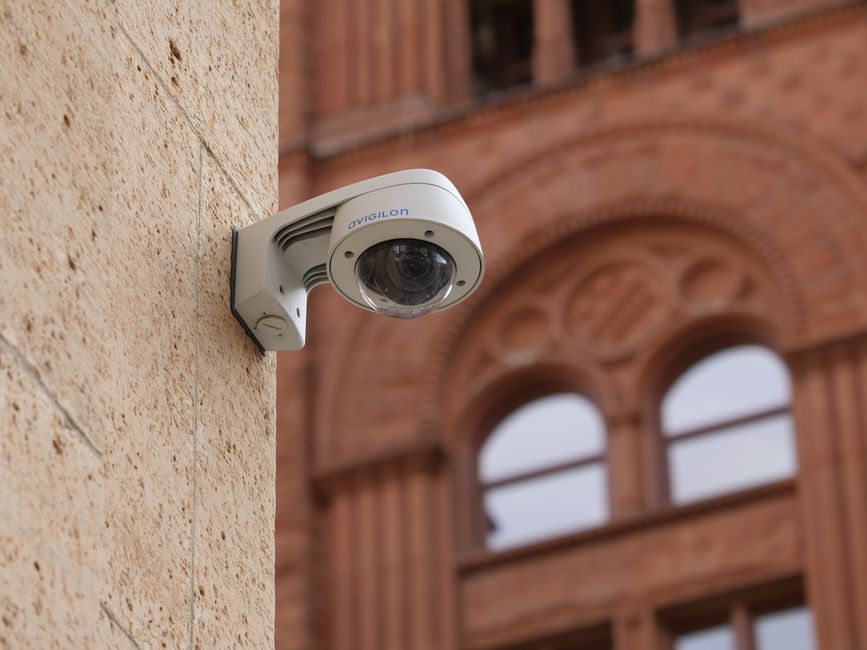
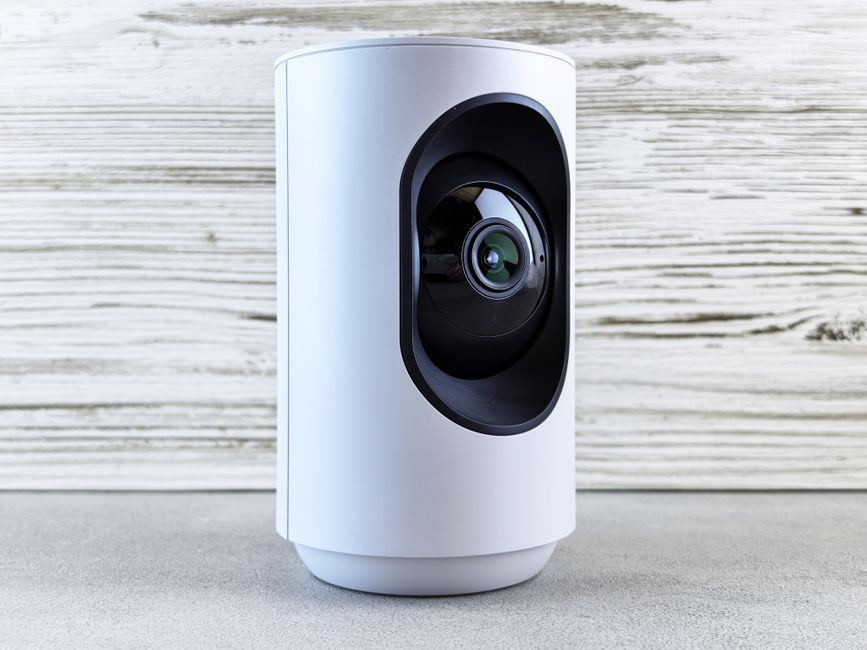
Then we have the visual sentinels: smart cameras and video doorbells from brands like Ring, Arlo, and Eufy. These devices offer undeniable security benefits, allowing us to monitor our homes remotely and see who's at the door. But they also introduce a new dimension of surveillance. Beyond simply recording events, many of these cameras incorporate advanced AI features such as facial recognition, person detection, and even package detection. They learn who lives in your home, who visits regularly, and what your daily comings and goings look like. This creates a detailed log of your life, not just within your property lines, but often extending to public sidewalks and even neighbors' homes. The footage, frequently stored in the cloud, becomes a permanent record, accessible not just to you, but potentially to the device manufacturer, law enforcement, or even hackers if proper security measures aren't in place. The convenience of seeing your Amazon delivery driver is juxtaposed with the reality that an AI is cataloging every face that approaches your property, building a comprehensive database of who enters and leaves your personal space.
"The smart home is less of a private sanctuary and more of a data-rich environment waiting to be mined. Every connected device, no matter how trivial, contributes to a larger picture of your life that you rarely get to see." - An anonymous cybersecurity expert.
The problem is further compounded by the potential for these systems to be compromised or misused. We've seen numerous reports of smart cameras being hacked, allowing strangers to peer into people's homes, or even speak to children through the devices. Beyond malicious actors, there's the issue of data sharing with law enforcement. Amazon's Ring, for instance, has faced scrutiny for its partnerships with police departments, often providing footage without a warrant in certain circumstances, effectively turning private citizens' security cameras into an extension of public surveillance infrastructure. This blurs the lines between private property and public monitoring, eroding fundamental privacy rights in the name of security and convenience. The choice to install a smart doorbell, intended to protect your family, can inadvertently contribute to a broader surveillance network that you have little control over.