The Patchwork Problem: Neglecting Software Updates Everywhere
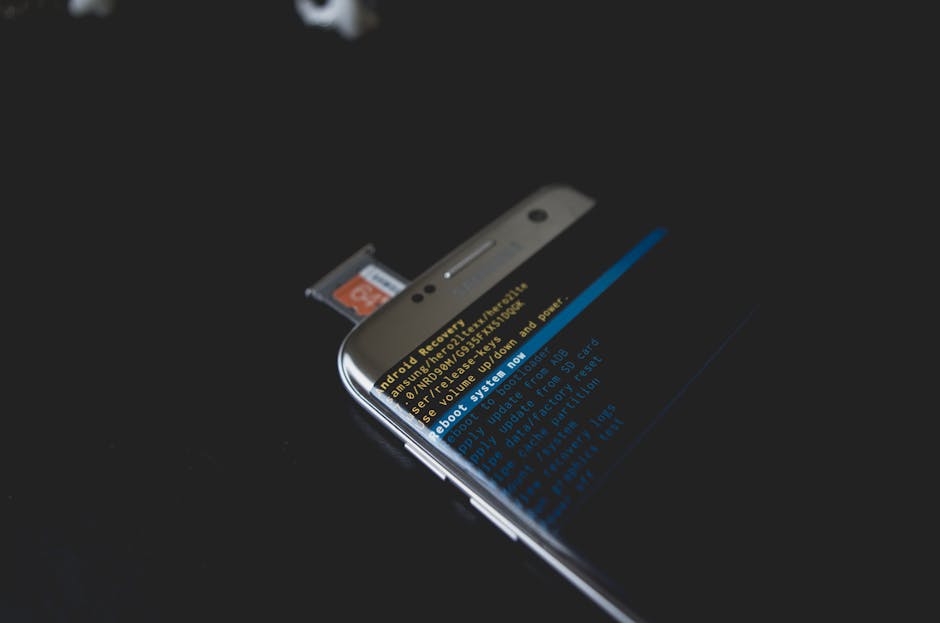
We’ve already touched upon the critical importance of router firmware updates, but the "patchwork problem" extends far beyond that single device. It encompasses every piece of software and firmware running on every device connected to your network: your operating systems (Windows, macOS, Linux, Android, iOS), web browsers, email clients, productivity suites, media players, smart device apps, and even the firmware of your smart TVs, printers, and network-attached storage (NAS) devices. The consistent neglect of these updates creates a sprawling landscape of vulnerabilities, each one a potential chink in your digital armor that an attacker can exploit. It’s an exhausting reality for many users, but the consequences of ignoring those persistent "update available" notifications can be truly catastrophic, turning minor bugs into major security incidents.
The reason software updates are so crucial boils down to the nature of software development and the relentless pursuit of vulnerabilities by malicious actors. No software is ever perfectly secure. Developers constantly discover and fix bugs, including security flaws that could allow an attacker to gain unauthorized access, execute malicious code, or steal data. These fixes are then released as updates or "patches." The moment a vulnerability is publicly disclosed and a patch is released, attackers immediately begin reverse-engineering the patch to understand the underlying flaw. They then develop exploits targeting systems that haven't yet applied the update. This period, between a patch's release and its widespread adoption, is a golden window for cybercriminals. Famous attacks like WannaCry and NotPetya, which caused billions in damages worldwide, didn't rely on cutting-edge zero-day exploits; they leveraged well-known vulnerabilities in Windows that had readily available patches, which countless organizations and individuals simply hadn't bothered to install. This isn't about sophisticated hacking; it's about exploiting human procrastination.
Think of your digital devices as constantly evolving organisms, requiring regular inoculations against new diseases. Each piece of software you run, each application you install, adds another layer of complexity and another potential point of failure if not maintained. Many users diligently update their operating systems but completely forget about their web browsers, which are often the primary gateway for exploits. An outdated browser, riddled with known vulnerabilities, can allow malicious websites to install malware simply by visiting them. The same applies to browser extensions and plugins, which are often overlooked. Similarly, the apps on your smartphone, while seemingly innocuous, can harbor security flaws that, if unpatched, could expose your personal data or grant unauthorized access to your device's resources. Even your printer, a seemingly harmless peripheral, can be a network vulnerability if its firmware is outdated, potentially allowing attackers to gain a foothold on your network or even print malicious documents.
"Patching isn't a suggestion; it's a fundamental requirement for modern cybersecurity. The vast majority of successful breaches exploit known vulnerabilities that could have been prevented by a simple update." - Kevin Mitnick, Renowned Hacker & Security Consultant
The sheer volume of devices and software requiring updates can feel overwhelming, I know. It's easy to dismiss those update notifications as annoying interruptions, especially when they pop up at inconvenient times. But every time you hit "remind me later," you're effectively extending the window of opportunity for an attacker. The key to managing this "patchwork problem" is to embrace automation wherever possible and to cultivate a habit of proactive maintenance for devices that require manual updates. Enabling automatic updates for your operating systems, browsers, and frequently used applications is a critical first step. For devices like routers, smart TVs, or NAS drives, which might require manual checks, schedule a regular monthly or quarterly "security audit" to ensure everything is running the latest, most secure software. This isn't about being paranoid; it's about being pragmatic. In a world where vulnerabilities are discovered daily, staying current with your software updates is the most effective and often simplest way to close off a massive number of potential attack vectors and significantly bolster your network's resilience against the constant barrage of cyber threats.
The Human Element Hack: Overlooking Social Engineering Defenses
For all the sophisticated firewalls, encryption protocols, and multi-factor authentication systems we deploy, the most persistent and often successful vulnerability in any network remains the human element. This isn't a flaw in technology; it's a flaw in psychology, exploited through what's known as social engineering. Attackers don't always need to crack complex code or bypass advanced security measures when they can simply trick a person into giving them the keys to the kingdom. Phishing emails, deceptive phone calls (vishing), and manipulative text messages (smishing) are not just nuisances; they are highly effective attack vectors that can lead to catastrophic data breaches, financial fraud, and complete network compromise. We often focus so much on the technical defenses that we forget to fortify the most susceptible part of the system: ourselves.
Social engineering works because it preys on fundamental human traits: trust, curiosity, fear, urgency, and the desire to be helpful. A well-crafted phishing email might impersonate your bank, a government agency, or even a colleague, urging you to click a link to "verify your account" or "review an urgent invoice." The link, of course, leads to a fake website designed to steal your login credentials. Similarly, a convincing vishing call might involve someone pretending to be from tech support, claiming there's a problem with your computer and asking for remote access. These attacks are often meticulously researched, sometimes leveraging publicly available information about you or your business (spear phishing) to make the deception even more believable. I've seen instances where attackers perfectly mimicked internal company email chains, tricking employees into wiring funds to fraudulent accounts, bypassing all technical safeguards because the human target simply believed the sender was legitimate. The sophistication of these scams has grown exponentially, making it increasingly difficult to distinguish between genuine communication and malicious intent.
The impact of successful social engineering can be devastating. Once an attacker gains access to your credentials, they can log into your accounts, steal sensitive information, initiate fraudulent transactions, or even use your compromised account to launch further attacks against your contacts, amplifying their reach. Beyond direct financial loss, the reputational damage for a small business, or the personal distress of identity theft, can be immense. The infamous Twitter hack of 2020, where high-profile accounts were compromised to promote a Bitcoin scam, was largely attributed to a social engineering attack on Twitter employees, demonstrating that even organizations with top-tier security infrastructure can fall victim when the human element is exploited. It underscores a crucial point: no amount of technical wizardry can fully protect you if you're not equipped to recognize and resist psychological manipulation. We are, by design, trusting creatures, and that trust is consistently abused in the digital realm.
"You can spend millions on technology, but if you don't educate your users, you're just putting a fancy lock on a door that's already wide open." - Frank Abagnale, Former Con Man & Security Consultant
Building strong social engineering defenses isn't about becoming cynical; it's about cultivating a healthy dose of skepticism and adopting critical verification habits. The first line of defense is always to pause and think before clicking, opening attachments, or providing information. Always verify the sender's identity, especially for unexpected or urgent requests, using an alternative, trusted communication channel (e.g., calling your bank back on a number you know is legitimate, rather than one provided in an email). Implement multi-factor authentication (MFA) on all your critical accounts, as this adds a crucial layer of protection even if your password is stolen. Educate yourself and your family about common phishing tactics, look for red flags like grammatical errors, suspicious links, and urgent language designed to bypass rational thought. This ongoing vigilance and education are paramount. Because while technology can protect against many threats, it's our human judgment that ultimately stands as the final, and often most critical, barrier against the cunning tactics of social engineers. Overlooking this human element is perhaps the most dangerous hidden flaw of all, leaving your network vulnerable from the inside out.