Your Step-by-Step Guide to Digital Anonymity
Navigating the complex landscape of Wi-Fi security and online privacy can feel overwhelming, especially when confronted with the invisible threats of advanced scanning techniques. However, empowering yourself with practical knowledge and implementing actionable steps can dramatically reduce your vulnerability. This isn't about achieving absolute invisibility, which is practically impossible in our interconnected world, but about making yourself a much harder target and significantly diminishing the amount of personal data you inadvertently broadcast. Think of it as putting on a digital cloak of anonymity, making you less appealing and harder to track for those with malicious intent. It’s a continuous process, not a one-time fix, but each step you take builds a stronger shield around your digital life.
Fortifying Your Home Network The First Line of Defense
- Upgrade to WPA3 Encryption and Strong, Unique Passwords
The very foundation of your wireless security starts with your router's encryption. If your router supports WPA3, enable it immediately. This provides the strongest available encryption and protection against modern attacks. Crucially, change your Wi-Fi password from the default to a long, complex, and unique passphrase that combines uppercase and lowercase letters, numbers, and symbols. Avoid common phrases or personal information. Similarly, change your router's administrative password; this is separate from your Wi-Fi password and is often overlooked, leaving a wide-open backdoor for anyone who knows the default credentials. Disabling Wi-Fi Protected Setup (WPS) on your router is also highly recommended, as WPS has known vulnerabilities that can be exploited, often by brute-forcing a short PIN.
- Implement a Dedicated Guest Network for Visitors and IoT Devices
Most modern routers offer the ability to create a separate "guest" Wi-Fi network. This isn't just for visitors; it's an invaluable tool for network segmentation. Connect all your smart home devices – cameras, smart speakers, thermostats, light bulbs – to this guest network. This isolates them from your main network where your computers, phones, and sensitive data reside. If an IoT device is compromised, the attacker gains access only to the isolated guest network, preventing them from easily pivoting to your more critical devices. Ensure this guest network also uses WPA2/WPA3 encryption and a strong, unique password, distinct from your main network's credentials.
- Regularly Update Router Firmware and All Networked Devices
This is perhaps one of the most critical, yet frequently neglected, security practices. Router manufacturers, like all software developers, periodically release firmware updates that patch security vulnerabilities and improve performance. Check your router's administrative interface or the manufacturer's website at least monthly for updates. The same goes for all your smart devices; ensure their apps and firmware are always up-to-date. Outdated firmware is a common entry point for attackers, as they actively scan for devices with known, unpatched exploits. Automate updates where possible, but always verify they've been applied.
- Audit Your Network and Disable Unnecessary Services
Periodically review your router's settings. Disable any services you don't use, such as remote management (unless absolutely necessary and secured with a VPN), UPnP (Universal Plug and Play), or any open ports. UPnP, in particular, can automatically open ports on your firewall, potentially exposing devices to the internet without your explicit consent. There are free tools and apps available (like Fing for mobile) that allow you to scan your own network and see what devices are connected and what ports are open. This self-audit helps you identify potential vulnerabilities and unwanted guests on your network, giving you a clearer picture of your digital footprint.
- Consider Physical Security for Your Router
Don't underestimate the importance of physically securing your router. Place it in a location that is not easily accessible to unauthorized individuals. If an attacker gains physical access to your router, they can reset it, install malicious firmware, or directly connect to it, potentially bypassing all your digital defenses. A simple lock on a cabinet or placing it out of plain sight can add a significant layer of protection against direct tampering.
Shielding Your Personal Devices Navigating the Wireless World
- Manage Wi-Fi Settings on Your Mobile Devices
The "always-on" nature of mobile Wi-Fi is a major privacy risk. When not actively using Wi-Fi, turn it off. This prevents your device from constantly sending out probe requests that reveal your location history and known networks. Review your device's saved Wi-Fi networks and "forget" any networks you no longer use or don't trust. On modern smartphones (iOS 14+ and Android 10+), ensure MAC address randomization is enabled and actively working. While not foolproof, it adds a layer of obfuscation, making it harder to track your device consistently across different locations.
- Embrace the Power of a Reputable VPN, Especially on Public Wi-Fi
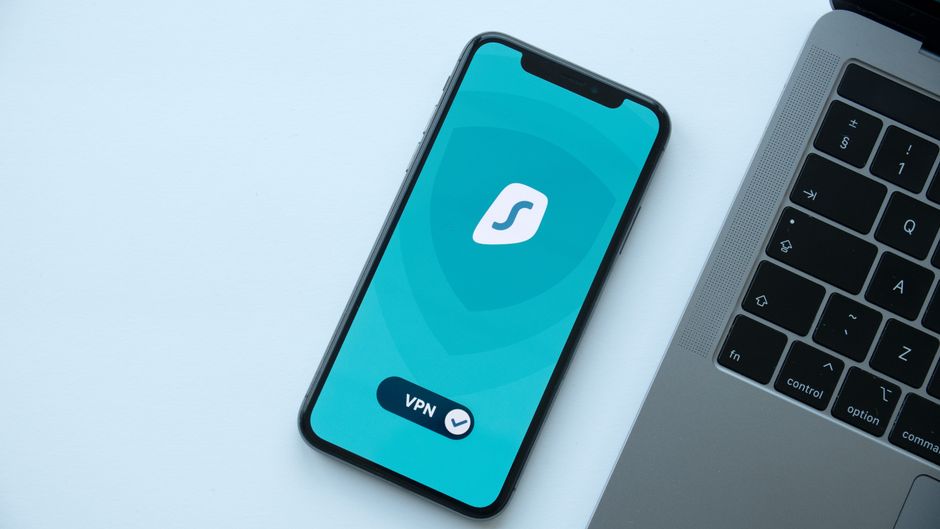
A Virtual Private Network (VPN) is your best friend for online privacy. Always use a reputable, no-logs VPN service. While a VPN doesn't prevent your device from sending out probe requests, it encrypts all your internet traffic *after* it leaves your device, preventing anyone on the local network (including a Wi-Fi scanner) from seeing what you're doing online. Make it a habit to use your VPN whenever you connect to public Wi-Fi networks, even seemingly secure ones, as these are prime hunting grounds for attackers looking to intercept data. Consider an "always-on" VPN for your mobile devices to ensure continuous protection.
- Be Skeptical of Public Wi-Fi and "Free" Hotspots
Exercise extreme caution when connecting to public Wi-Fi. Many "free Wi-Fi" networks, especially in less reputable establishments, are actually "evil twin" access points set up by hackers to trick you into connecting. Always verify the network name with staff if possible, and scrutinize network names for subtle misspellings. When in doubt, use your cellular data, which is generally more secure, and always use a VPN. Never conduct sensitive transactions, like banking or online shopping, over an unsecured public Wi-Fi network, even with a VPN, if you can avoid it.
- Review Location Services and Wi-Fi Scanning Settings
Many apps and operating systems use Wi-Fi scanning to improve location accuracy. While convenient, this contributes to your digital footprint. Review your device's privacy settings and limit which apps have access to your location. Consider disabling Wi-Fi scanning for location services if you prioritize privacy over precise location tracking. Understand that even if you disable GPS, your device can still be located via Wi-Fi signals, so managing these settings is a continuous balancing act.
Ultimately, achieving a higher degree of digital anonymity and security against invisible Wi-Fi scanners is a mindset as much as it is a set of technical steps. It requires continuous vigilance, a willingness to stay informed about emerging threats, and a proactive approach to managing your digital environment. No single solution will make you completely invisible, but by layering these defenses and adopting a privacy-first attitude, you can significantly reduce your exposure and safeguard your personal information from prying, unseen eyes. Your digital life is worth protecting, and with these steps, you’re well on your way to building a formidable defense against the silent watchers in the airwaves.