So, if the landscape of "free" VPNs is a treacherous minefield of compromised privacy, malware, and abysmal performance, what's the alternative? How do you achieve the real privacy and security you deserve without breaking the bank? The good news is that securing your online life with a legitimate, trustworthy VPN is far more affordable than most people realize. We're talking about pennies a day, a sum so negligible it barely registers against the immense value of protecting your personal data, your digital freedom, and your peace of mind. It's an investment, not an expense, and one that yields profound returns in an increasingly surveilled world.
The shift from a free, risky service to a paid, reliable one isn't just about avoiding the pitfalls we've discussed; it's about embracing a comprehensive solution built on trust, transparency, and cutting-edge technology. When you choose a premium VPN, you're not just buying access to a server network; you're investing in a commitment to privacy, a robust security infrastructure, and a team dedicated to keeping your digital life safe from prying eyes. It’s about regaining control over your data and ensuring that your online activities remain truly private, without the insidious hidden costs that plague the "free" market. Let's explore how you can make this crucial transition and finally achieve real online privacy.
The True Cost of Privacy It's Cheaper Than Your Daily Coffee
Let's put this into perspective. Many top-tier VPN services, when subscribed to on a long-term plan (typically one or two years), average out to a cost of around $2 to $5 per month. Think about that for a moment. That's less than the price of a single cup of coffee, a candy bar, or a cheap streaming service. For this minuscule daily outlay, you gain access to military-grade encryption, a strict no-logs policy backed by independent audits, a vast global network of high-speed servers, and dedicated customer support. It's truly a negligible sum when weighed against the profound benefits of protecting your entire digital footprint from data brokers, advertisers, cybercriminals, and even government surveillance.
Consider the potential financial and emotional costs of *not* having real privacy. Identity theft, which can stem from compromised data, costs victims thousands of dollars and countless hours to resolve. The constant bombardment of targeted ads, driven by data collected from free VPNs, can be irritating and even manipulative. The anxiety of knowing your online activities are being monitored can erode your sense of freedom and security. When you compare these risks to the cost of a premium VPN, the choice becomes abundantly clear: paying a few dollars a month is an incredibly small price to pay for genuine peace of mind and robust digital protection. It’s not an expense; it’s an essential utility in the modern digital age, just like electricity or internet access.
What A Real, Trustworthy VPN Actually Provides
Moving to a paid VPN isn't just about avoiding danger; it's about gaining a wealth of features and assurances that fundamentally transform your online experience. These are the cornerstones of true digital privacy and security, meticulously engineered and constantly updated by dedicated teams. Understanding these benefits helps solidify the value proposition and why they are worth every penny.
- Unwavering No-Logs Policy: The gold standard. A reputable VPN will have a strictly audited no-logs policy, meaning they genuinely do not collect, store, or share any information about your online activities, IP address, or connection timestamps. This is often independently verified by third-party auditors, offering an unparalleled level of transparency and trust.
- Military-Grade Encryption: We're talking about AES-256 encryption, the same standard used by governments and security agencies worldwide. This level of encryption makes your data virtually unreadable to anyone trying to intercept it, creating an impenetrable tunnel for your online traffic.
- Advanced Security Protocols: Access to modern, robust protocols like OpenVPN, WireGuard, and IKEv2/IPsec. These protocols are not only secure but also optimized for speed and reliability, ensuring a smooth and protected browsing experience.
- Vast Global Server Network: Thousands of servers strategically located in dozens of countries. This means reliable, high-speed connections, the ability to bypass geo-restrictions with ease, and options to connect to less congested servers for optimal performance.
- Essential Privacy Features:
- Automatic Kill Switch: Instantly cuts your internet connection if the VPN drops, preventing any accidental exposure of your real IP address or unencrypted data.
- Split Tunneling: Allows you to choose which apps or websites use the VPN tunnel and which connect directly, offering flexibility and optimizing bandwidth.
- DNS Leak Protection: Ensures all your DNS requests are handled securely by the VPN, preventing your ISP from seeing your browsing activity.
- Ad and Malware Blockers: Many premium services include built-in features to block intrusive ads, trackers, and malicious websites, further enhancing your security and improving page load times.
- Dedicated 24/7 Customer Support: Real people, available around the clock via live chat or email, ready to assist you with any technical issues or questions. No more fumbling in the dark or relying on outdated FAQs.
- Multiple Device Support: Connect multiple devices simultaneously – your laptop, smartphone, tablet, even your smart TV or router – ensuring all your internet-connected gadgets are protected under a single subscription.
- Transparent Business Practices: Clear, easy-to-understand privacy policies, public transparency reports, and often a commitment to fighting for digital rights. You know exactly what you're getting and who you're dealing with.
Embarking On Your Journey To Real Privacy A Step-By-Step Guide
Making the switch to a reliable, paid VPN is simpler than you might imagine. It doesn't require advanced technical knowledge, just a few thoughtful steps to ensure you choose the right provider and set it up correctly. Think of this as your personal roadmap to reclaiming your digital privacy, executed with precision and care.
Step One Research And Select Your Guardian
This is arguably the most crucial step. Don't just pick the first VPN you see advertised. Take a moment to research and compare reputable providers. Look for services that have a strong track record, positive independent reviews, and most importantly, a clear commitment to privacy. Key factors to consider include:
- No-Logs Policy: Ensure they explicitly state and ideally have audited proof of a strict no-logs policy.
- Jurisdiction: Opt for providers based in privacy-friendly countries outside of the 5, 9, or 14 Eyes alliances (e.g., Panama, British Virgin Islands, Switzerland).
- Security Features: Confirm they offer AES-256 encryption, a kill switch, DNS leak protection, and support for modern protocols like OpenVPN and WireGuard.
- Server Network: A wide distribution of servers means better speeds and more options for bypassing geo-restrictions.
- Pricing and Plans: Compare long-term plans for the best value. Most offer a 30-day money-back guarantee, allowing you to test the service risk-free.
- Reputation: Check independent reviews from trusted cybersecurity outlets and user feedback.
Some widely respected names in the industry include NordVPN, ExpressVPN, Surfshark, and Proton VPN, among others. Each has its own strengths, so a little comparison shopping goes a long way. For example, if you're heavily invested in the Proton ecosystem (ProtonMail, ProtonDrive), then Proton VPN might offer seamless integration. If raw speed and streaming are paramount, others might excel. It's about finding the best fit for your specific needs.
Step Two Subscribe And Secure Your Account
Once you've chosen your preferred VPN provider, head over to their official website. Avoid third-party resellers, as they might offer compromised software or outdated subscriptions. Select the subscription plan that best fits your budget and commitment level – typically, longer plans offer significant savings. Fill in your details and complete the payment. Many providers accept various payment methods, including cryptocurrencies, for enhanced anonymity. After payment, you'll usually be prompted to create an account with a strong, unique password. This is your gateway to privacy, so treat it with the utmost care.
Step Three Download, Install, And Connect
With your subscription active, the next step is to download the VPN application. Reputable providers offer dedicated apps for all major operating systems and devices, including Windows, macOS, Linux, Android, iOS, and even browser extensions. Download the correct app for your device directly from the provider's website or official app stores. Follow the on-screen instructions to install the software, which is usually a straightforward process.
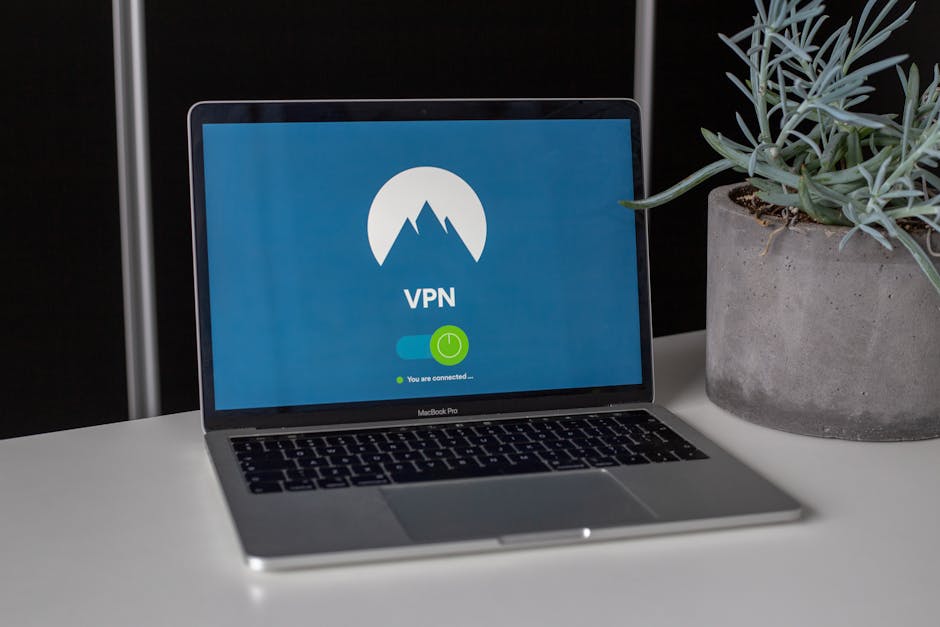
Once installed, launch the application and log in using your newly created credentials. The app will typically present you with a main dashboard, often featuring a prominent "Connect" button or a list of server locations. For initial use, simply clicking 'Connect' will usually connect you to the fastest available server. To choose a specific country or city, browse the server list and select your desired location. Confirm that the connection is established – the app usually indicates this with a green light, a "Connected" status, or a change in your notification bar icon. It's truly that simple to get started.
Step Four Customize Your Settings And Enhance Protection
While the default settings are usually sufficient for basic protection, taking a few extra minutes to customize your VPN can significantly enhance your security and user experience. Dive into the app's settings menu and look for these crucial options:
- Enable Kill Switch: Always turn this on. It’s your safety net against accidental data exposure.
- Choose Your Protocol: Experiment with different protocols. WireGuard often offers the best balance of speed and security, while OpenVPN (UDP) is a robust and widely trusted option.
- DNS Leak Protection: Verify that this feature is enabled, ensuring your DNS queries are always routed through the VPN.
- Ad/Malware Blocker: If your VPN offers one (often called "Threat Protection" or "CleanWeb"), activate it for an extra layer of defense against malicious content and intrusive ads.
- Split Tunneling (Optional): If you want certain apps or websites to bypass the VPN (e.g., your local banking app), configure split tunneling.
- Auto-Connect: Set the VPN to automatically connect when your device starts or when you join an unsecured Wi-Fi network. This ensures continuous protection.
These adjustments allow you to tailor the VPN to your specific needs, maximizing both your privacy and the efficiency of your connection. Don't be afraid to explore the settings; a good VPN app is designed to be user-friendly, and these small tweaks can make a big difference in your daily online life.
Step Five Beyond The VPN A Holistic Approach To Digital Safety
While a premium VPN is an indispensable tool for online privacy, it's part of a larger ecosystem of digital self-defense. Think of it as the sturdy walls of your castle; you still need to secure the gates and guard the inner chambers. To truly fortify your online presence, consider integrating these additional practices:
- Use a Privacy-Focused Browser: Ditch Chrome for browsers like Brave, Firefox (with privacy extensions), or DuckDuckGo, which are designed to block trackers and reduce your digital footprint.
- Implement a Secure Email Service: Move away from Gmail or Outlook for sensitive communications. Services like ProtonMail or Tutanota offer end-to-end encryption for your emails.
- Employ a Password Manager: Generate and store strong, unique passwords for all your accounts. Never reuse passwords.
- Enable Two-Factor Authentication (2FA): Add an extra layer of security to all your online accounts, making it much harder for unauthorized users to gain access.
- Be Mindful of Social Media: Review your privacy settings on platforms like Facebook and Instagram, limiting the data they collect and share.
- Keep Software Updated: Regularly update your operating system, web browser, and all applications to patch security vulnerabilities.
By combining a robust premium VPN with these additional security measures, you create a comprehensive defense strategy that significantly reduces your exposure to online threats and firmly reclaims your digital autonomy. It's a continuous journey, but one that empowers you to navigate the internet with confidence, knowing that your privacy is truly protected, not just promised.