Peeling Back the Layers How a VPN Transforms Your Digital Identity
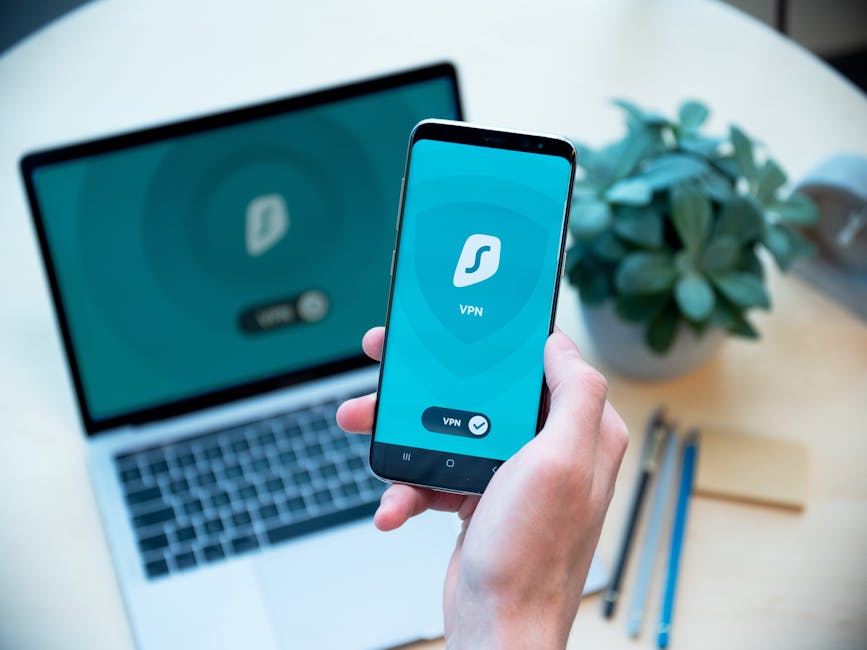
At its heart, a Virtual Private Network, or VPN, is a sophisticated tool designed to create a secure, encrypted tunnel between your device and a server operated by the VPN provider. When you connect to a VPN, all your internet traffic is routed through this tunnel, effectively masking your real IP address and encrypting your data. Instead of your traffic going directly from your home router to Netflix's servers, it takes a detour through the VPN server. This means that to any website or service you visit, including Netflix, your online activity appears to originate from the location of the VPN server, not your actual physical location. It's like putting on a digital disguise, making it seem as though you've teleported your device to another part of the world.
The magic for Netflix unlocking lies in this IP address masking. If you connect to a VPN server located in, say, Canada, Netflix will see your IP address as Canadian, and thus present you with the Canadian Netflix library. This simple, yet powerful, mechanism is what allows users to bypass geo-restrictions not just on Netflix, but on virtually any geographically restricted online service. The encryption aspect also adds a layer of privacy and security, protecting your data from eavesdropping by your ISP, government agencies, or malicious actors. While the primary goal for Netflix users is content access, the inherent privacy benefits are a significant bonus, ensuring your streaming habits remain your own business.
However, not all VPNs are created equal, especially when it comes to Netflix. The effectiveness of a VPN in bypassing geo-blocks depends heavily on the size and quality of its server network, the sophistication of its technology, and its commitment to staying ahead of Netflix's detection methods. A premium VPN will invest heavily in maintaining a vast array of servers in numerous countries, constantly refreshing their IP addresses to avoid blacklists, and implementing advanced features like obfuscation technology to disguise VPN traffic as regular internet traffic. This continuous effort is what differentiates a reliable Netflix VPN from one that will inevitably lead to the dreaded proxy error message, highlighting the crucial need for informed choice when selecting a provider.
The Great Firewall of Streaming Netflix's Ongoing War on VPNs
Netflix's stance on VPNs is clear: they are against circumvention of their geo-restrictions. This isn't out of spite, but rather a contractual obligation to content creators and distributors. As a result, they've developed a multi-pronged approach to detect and block VPN usage, turning the streaming world into a technological battlefield. One of their primary weapons is IP address blacklisting. They monitor IP addresses that show unusual traffic patterns, such as a single IP address generating requests from hundreds or thousands of different user accounts simultaneously – a clear indicator of a shared VPN server. Once identified, these IP ranges are added to a blacklist, effectively blocking anyone connecting through them from accessing Netflix content.
Beyond simple IP blacklisting, Netflix has reportedly deployed more advanced detection techniques. These can include deep packet inspection, which analyzes the data packets themselves to look for tell-tale signs of VPN protocols, and DNS leak detection, as briefly mentioned earlier. If your VPN isn't properly configured or uses weaker encryption, your device might inadvertently send DNS requests through your regular ISP, revealing your true location. Netflix can also cross-reference your IP address with your DNS server's location; if they don't match, it's another red flag. This layered approach makes it increasingly difficult for less sophisticated VPNs to consistently bypass the blocks, leading to a frustrating user experience where a VPN might work one day and fail the next.
The constant evolution of Netflix's detection systems means that even the best VPNs face an ongoing challenge. Providers must continuously invest in research and development, acquiring new IP addresses, implementing stealth protocols, and ensuring their DNS servers are secure and properly configured. It's a dynamic, high-stakes game where a momentary lapse can lead to thousands of users being locked out. This relentless cat-and-mouse struggle is why choosing a reputable, premium VPN provider is absolutely paramount for anyone serious about unlocking Netflix's global library. Free VPNs, with their limited resources and often questionable security practices, simply cannot keep up with this level of technological arms race, making them largely ineffective for this specific purpose.
Crafting the Perfect Digital Disguise What Makes a VPN Netflix-Ready
Not all VPNs are created equal, especially when your mission is to conquer Netflix's geo-blocks. To effectively bypass these restrictions and ensure a smooth, high-quality streaming experience, a VPN needs to possess a specific set of characteristics. First and foremost is a vast and constantly updated server network. The more servers a VPN has, and the more frequently they refresh their IP addresses, the harder it is for Netflix to blacklist them all. A VPN with servers in dozens of countries, particularly those with popular Netflix libraries like the US, UK, Canada, Japan, and Germany, significantly increases your chances of finding a working connection. This extensive network also helps distribute user load, preventing server congestion that can lead to slow speeds and buffering.
Secondly, blazing-fast speeds and unlimited bandwidth are non-negotiable. Streaming in HD or 4K demands significant bandwidth, and a slow VPN will turn your movie night into a stuttering, pixelated nightmare. Top-tier VPNs invest in high-speed infrastructure and optimized protocols (like WireGuard) to minimize speed loss, ensuring you can stream your favorite shows without interruption. Closely related to speed is the implementation of stealth or obfuscation technology. This specialized feature makes your VPN traffic appear as regular internet traffic, effectively hiding the fact that you're using a VPN at all. This is crucial for bypassing advanced detection systems employed by services like Netflix, which look for patterns indicative of VPN usage.
Beyond these core performance aspects, a Netflix-ready VPN must also prioritize robust security and privacy features. This includes military-grade AES-256 encryption, a strict no-logs policy (meaning your online activities are never recorded), and protection against DNS and IPv6 leaks. While these features are primarily for privacy, they indirectly contribute to Netflix unblocking by preventing your true location from being inadvertently revealed. Finally, reliable 24/7 customer support is incredibly important. When Netflix implements a new block, some servers might temporarily stop working. A good VPN provider will have responsive support staff who can guide you to a working server or offer troubleshooting advice, ensuring minimal downtime in your quest for global entertainment. Without these critical elements, your VPN might be little more than a digital dead-end for Netflix access.
The Unseen Perks More Than Just Bypassing Blocks
While the immediate allure of a VPN for many is the ability to unlock Netflix's global content, the truth is that a premium VPN offers a much broader spectrum of benefits, fundamentally enhancing your overall online experience. Beyond streaming, one of the most significant advantages is a dramatic boost in your online privacy and security. Every time you connect to public Wi-Fi – be it at a coffee shop, airport, or hotel – you're exposing your data to potential interception by malicious actors. A VPN encrypts your entire internet connection, creating a secure tunnel that shields your sensitive information, such as passwords, banking details, and personal communications, from prying eyes. This peace of mind alone is invaluable in an age rife with cyber threats and data breaches.
Furthermore, a VPN grants you greater digital freedom by bypassing censorship and other geo-restrictions beyond Netflix. In countries with strict internet censorship, a VPN can be a lifeline for accessing unbiased news, social media platforms, and educational resources that are otherwise blocked. Even in less restrictive environments, you might encounter geo-blocks on other streaming services, online games, or even e-commerce sites that offer region-specific deals. A VPN empowers you to navigate this fragmented digital landscape with greater autonomy, allowing you to access content and services that would otherwise be out of reach, essentially reclaiming control over your online experience and ensuring you're not arbitrarily limited by your physical location.
Another often-overlooked perk is the potential to save money. By connecting to a VPN server in a different country, you can sometimes access region-specific pricing for flights, hotels, software subscriptions, and even online games. Many companies employ dynamic pricing strategies, offering different rates based on your perceived geographical location. With a VPN, you can virtually "shop around the world" for the best deals, potentially recouping the cost of your VPN subscription many times over. So, while you might initially subscribe to a VPN with the singular goal of binge-watching that elusive foreign series on Netflix, you'll quickly discover that it's a versatile tool that enhances your digital life in myriad unexpected and beneficial ways, transforming your relationship with the internet itself.