The journey through the unsettling landscape of your digital clone and its algorithmic architects might leave you feeling a little overwhelmed, perhaps even a touch despondent. It’s easy to feel powerless against such an omnipresent and intelligent force. However, succumbing to despair is precisely what these systems thrive on – apathy and resignation. The good news, my friends, is that while the challenge is immense, resistance is not futile. Reclaiming your digital self, even partially, is an active, ongoing process that requires vigilance, education, and the adoption of specific tools and practices. Think of this not as a definitive victory, but as a strategic retreat and a re-fortification of your personal digital boundaries. It’s about making yourself a harder target, reducing your surface area for data collection, and consciously opting out of the pervasive algorithmic gaze wherever possible. This is your practical guide to fighting back, one informed decision at a time.
Reclaiming Your Digital Self A Practical Guide to Resistance
One of the most immediate and impactful steps you can take involves a critical examination of your web browser. The default browsers provided by operating systems or popular tech giants are often deeply integrated into the data collection ecosystem. Consider switching to privacy-focused alternatives. Browsers like Brave, for instance, come with built-in ad and tracker blockers, and even offer a private browsing mode powered by the Tor network for enhanced anonymity. Mozilla Firefox, a long-standing champion of open-source and user privacy, offers robust tracking protection features that block known third-party trackers, cryptominers, and fingerprinters by default. Beyond the browser itself, installing privacy-enhancing browser extensions is crucial. Tools like uBlock Origin effectively block ads and trackers across the web, significantly reducing the data points your digital clone can collect. Privacy Badger, developed by the Electronic Frontier Foundation, learns to block invisible trackers dynamically. These tools act as digital shields, intercepting many of the invisible probes attempting to profile your online activities.
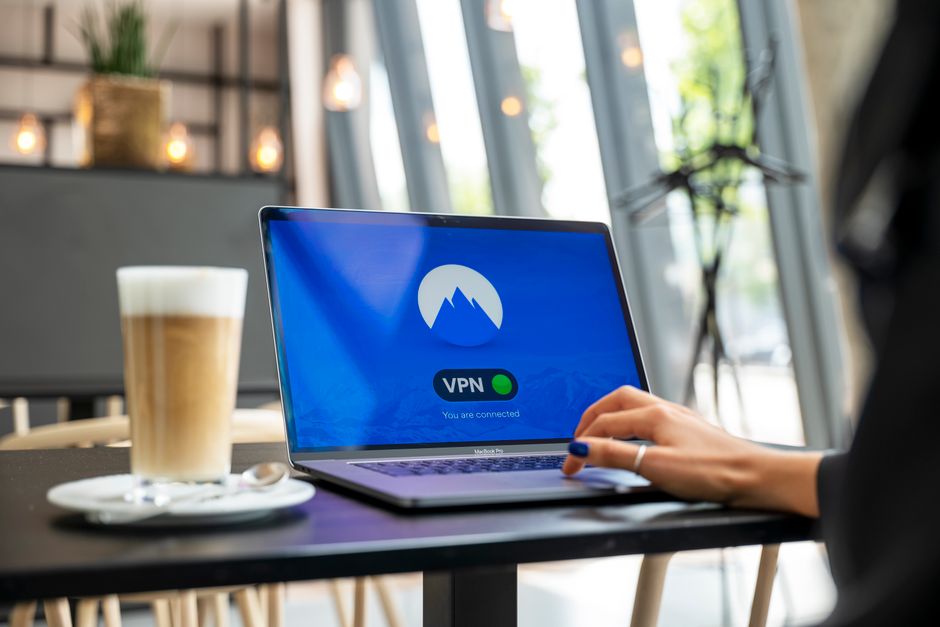
The cornerstone of online privacy, especially when dealing with the pervasive reach of AI, is a reputable Virtual Private Network (VPN). A VPN encrypts your internet connection and routes your traffic through a server operated by the VPN provider, effectively masking your real IP address and location. This means that websites and online services see the VPN server's IP address, not yours, making it significantly harder to link your online activities back to your real identity. While a VPN won't stop data collection from services you actively log into (like social media), it creates a crucial layer of anonymity by obscuring your network-level identity. When choosing a VPN, prioritize providers with a strict "no-logs" policy, meaning they don't store any data about your online activities. Look for those that have undergone independent audits to verify these claims. Features like a kill switch (which disconnects you from the internet if the VPN connection drops) and DNS leak protection are also vital. Investing in a quality, paid VPN service is one of the most effective ways to throw a wrench into the gears of the data scavengers, making it harder for them to pinpoint and aggregate your activities across the broader internet.
Your passwords are the keys to your digital kingdom, and weak or reused passwords are an open invitation for your digital clone to be compromised. Adopt a robust password management strategy immediately. Use a dedicated password manager (like LastPass, Bitwarden, or 1Password) to generate and store unique, complex passwords for every single online account. This eliminates the need to remember dozens of intricate combinations and ensures that if one service is breached, your other accounts remain secure. Furthermore, enable two-factor authentication (2FA) or multi-factor authentication (MFA) on every service that offers it. This adds an extra layer of security, typically requiring a code from your phone or a hardware token in addition to your password. Even if a malicious actor gets hold of your password (perhaps from a data breach related to your digital clone), they won't be able to access your account without that second factor. These simple yet powerful steps can significantly fortify your defenses against unauthorized access to the data that feeds your digital doppelgänger.
Social media platforms are perhaps the richest feeding grounds for your digital clone. The sheer volume of personal information, opinions, photos, and interactions shared willingly on these sites provides an unparalleled dataset for AI to construct your persona. Take a critical look at your social media footprint. Can you minimize your usage, or even delete accounts you rarely use? For active accounts, review and adjust your privacy settings meticulously. Restrict who can see your posts, photos, and personal information to only trusted connections. Be extremely cautious about what you share publicly – every post, every like, every comment contributes to your digital clone. Consider using pseudonyms or limiting the personal details you provide. Engage less with features designed for constant interaction, as these are often optimized to collect more data. Remember, anything you post online can and will be used to refine your digital twin, so approach these platforms with a healthy dose of skepticism and restraint.
You have more rights over your data than you might realize, especially if you live in regions with strong privacy laws like the European Union (GDPR) or California (CCPA). These regulations grant you the right to request access to the data companies hold about you, and crucially, the right to request its deletion. While the process can be cumbersome, exercising your data deletion rights is a powerful way to chip away at the raw materials feeding your digital clone. Start with major services you've used extensively. Send formal requests to companies asking for a copy of your data and then demanding its erasure. This isn't a silver bullet, as data brokers often operate outside these direct relationships, but it's a vital step in asserting control over your personal information. Educate yourself on the privacy laws applicable to your region and don't hesitate to leverage them; they are designed to give you some agency in this data-driven world.
Your search engine is a direct window into your thoughts, interests, and needs. Default search engines, particularly those tied to large advertising networks, meticulously log your queries and clicks to build your digital clone. Make the switch to privacy-focused search engines. DuckDuckGo is the most prominent example, famous for its "we don't track you" policy. It provides search results without creating a profile of your search history, ensuring that your queries remain private. Other alternatives include Startpage, which sources Google results anonymously, and Brave Search, which is building its own independent index. By opting for these privacy-respecting alternatives, you effectively sever one of the most direct and information-rich pipelines feeding data into your digital clone, preventing an AI from gaining deep insights into your immediate curiosities and long-term research interests.
The apps on your smartphone are notorious data collectors. Before installing any app, take the time to understand its permissions. Does a simple flashlight app really need access to your camera, microphone, and location? Does a game require access to your contacts? Be critical and deny permissions that seem excessive or irrelevant to the app's core functionality. Regularly review the permissions granted to your existing apps in your phone's settings and revoke any that are unnecessary. On Android, you can often deny permissions even after installation. On iOS, you get prompts for many permissions, so pay attention to them. Remember, every permission you grant is a potential data stream flowing into the coffers of an AI building your digital clone. Being judicious about app permissions is a powerful way to limit the data vacuuming capabilities of your mobile devices.
Finally, consider your hardware choices and become more aware of the smart devices in your home. Every "smart" appliance, from your TV to your vacuum cleaner, is a potential data collection point. Can you opt for "dumb" versions of these devices when possible? If you do use smart devices, research their privacy policies thoroughly. Can you disable microphones on smart speakers when not in use? Can you limit the data sharing settings on your smart TV? For the truly privacy-conscious, exploring options like "de-Googled" Android phones (e.g., those running LineageOS with microG) or other privacy-hardened operating systems can provide a much higher level of control over your mobile data. This isn't about Luddism; it’s about making informed choices about the convenience-to-privacy trade-off and consciously reducing the number of sensors feeding information about your physical environment and habits to the algorithmic alchemists. It’s a call to action for collective awareness and a commitment to robust digital hygiene, ensuring that we, the users, remain the masters of our digital selves, rather than becoming mere data points in an AI's ever-expanding understanding of humanity.