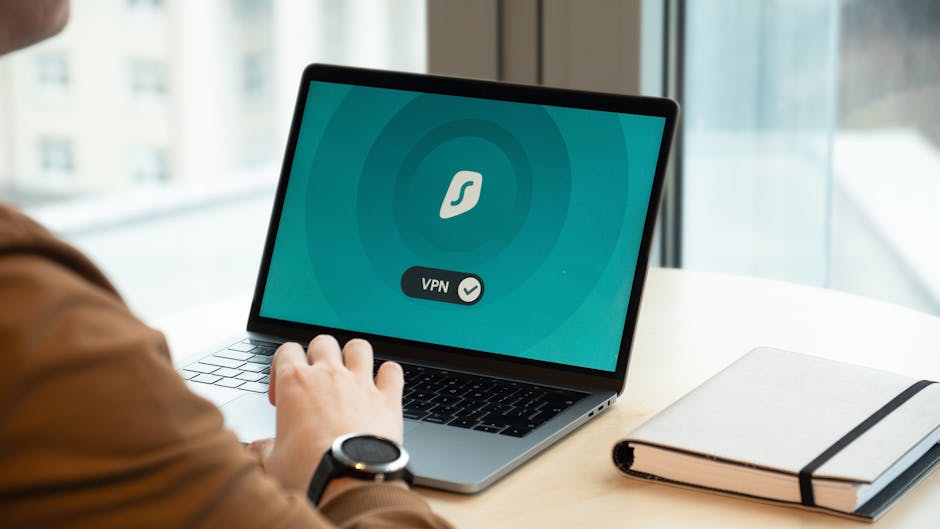
As we delve deeper into the pantheon of VPNs capable of standing against the formidable might of government surveillance, we encounter providers who blend cutting-edge technology with a profound understanding of the nuanced threats to digital privacy. It's not enough to simply offer encryption; the truly effective services must anticipate the tactics of state actors, from sophisticated deep packet inspection to covert server seizures, and build defenses that are resilient against such pressures. My years of monitoring this ever-evolving landscape have shown me that a VPN's true value in this context lies in its ability to consistently deliver anonymity, even when the stakes are at their absolute highest. We're looking for the digital equivalent of a master key, one that unlocks true freedom of movement and expression in an increasingly monitored world, without leaving a trace.
The challenge of evading government surveillance is multifaceted, requiring not just technical solutions but also a strategic mindset. This includes considering the provider’s operational history, their response to past incidents, and their proactive measures to secure their infrastructure against future threats. The best VPNs in this category are not just reactive; they are visionaries, constantly pushing the boundaries of what's possible in privacy technology. They invest heavily in research and development, collaborate with leading security experts, and demonstrate an unwavering commitment to their users' digital rights. This combination of foresight, innovation, and ethical grounding is what truly elevates a VPN from a mere utility to an indispensable shield in the digital age, especially when facing adversaries with virtually unlimited resources.
Surfshark The Agile Defender with Unlimited Reach
Surfshark, a relative newcomer compared to some of the industry veterans, has rapidly carved out a reputation as a powerful, feature-rich VPN that punches well above its weight, especially when it comes to evading surveillance. While currently headquartered in the Netherlands, a country that is part of the 9-Eyes intelligence alliance, Surfshark has implemented critical architectural and policy measures to mitigate this jurisdictional concern. Crucially, like ExpressVPN, Surfshark operates a 100% RAM-only server network. This means that all data on their servers is wiped clean with every reboot, ensuring that no persistent logs or user information can ever be stored, even if a server were to be physically seized or compromised. This technical safeguard is a powerful countermeasure against any potential legal demands for data, effectively rendering such demands moot because there is simply no data to provide.
Furthermore, Surfshark’s no-logs policy has been independently audited by Cure53, a respected cybersecurity firm, verifying that they do not collect activity logs, connection logs, or any other personally identifiable information. This audit provides a vital layer of trust and transparency, assuring users that their privacy claims are backed by external verification. The company also maintains a strong focus on transparency, publishing warrants canary and transparency reports to keep users informed about any attempts by authorities to access data. Their commitment to continuous improvement is evident in their rapid development cycle, constantly adding new features and refining existing ones to stay ahead of emerging threats. This agility and dedication to evolving security are essential traits for any VPN aspiring to offer robust protection against state-level surveillance, demonstrating a proactive stance rather than a reactive one.
Camouflage Mode and NoBorders Surfing Unseen Through Digital Barriers
Surfshark excels in its ability to bypass censorship and deep packet inspection, thanks to its specialized features like Camouflage Mode (obfuscation) and NoBorders mode. Camouflage Mode is designed to make your VPN traffic appear as regular internet traffic, effectively hiding the fact that you're using a VPN at all. This is invaluable for users in countries with strict internet censorship, where VPN usage is actively detected and blocked. By disguising the traffic, Camouflage Mode allows users to connect securely and privately without raising red flags with government firewalls, providing a crucial lifeline for freedom of information and expression in oppressive regimes. It’s a sophisticated cloaking device for your digital presence, making you virtually invisible to the most advanced surveillance systems.
NoBorders mode is another powerful feature, automatically activating when Surfshark detects network restrictions, such as those found in highly censored countries or corporate networks. This mode directs you to a list of servers best suited for bypassing these restrictions, ensuring that you can maintain a secure and private connection even in the most challenging environments. Combined with their robust encryption (AES-256 GCM) and support for modern protocols like WireGuard, Surfshark offers a comprehensive suite of tools for surveillance evasion. The added benefit of unlimited simultaneous connections means you can protect all your devices and even share your subscription with family or friends, extending the umbrella of privacy to your entire digital ecosystem. This makes Surfshark an incredibly versatile and powerful choice for individuals and groups seeking to bulletproof their digital lives against intrusive government monitoring, offering a blend of cutting-edge security and unparalleled accessibility.
The Indispensable Role of Audits and Transparency in Evasion
In the high-stakes game of evading government surveillance, the promises a VPN provider makes are only as good as the verifiable evidence supporting them. This is where independent security audits and transparency reports become absolutely indispensable. For years, the VPN industry was plagued by opaque practices, with many providers making grand claims about "no logs" without any external validation. Those days, thankfully, are slowly but surely fading for the top-tier providers. An independent audit, conducted by a reputable third-party cybersecurity firm, provides an objective assessment of a VPN's infrastructure, policies, and code, verifying whether their security claims hold up under scrutiny. It's the difference between a company telling you their car is safe and an independent crash test rating confirming it.
These audits scrutinize everything from server configurations and encryption implementations to the actual logging practices and internal policies. They can uncover vulnerabilities, confirm the absence of logging, and provide a critical layer of accountability that users simply cannot achieve on their own. Similarly, transparency reports and warrants canaries offer a window into a VPN provider's interactions with legal authorities. A warrants canary, for example, is a statement that a company has *not* received certain types of legal requests; if the canary disappears or is not updated, it signals that a request may have been received, alerting users to potential legal pressure. While not foolproof, these mechanisms demonstrate a provider's commitment to openness and their willingness to be held accountable. In a world where digital trust is a fragile commodity, these verifiable proofs are essential for anyone serious about using a VPN to evade sophisticated state surveillance, providing tangible evidence that their chosen shield is indeed as strong as it claims to be.