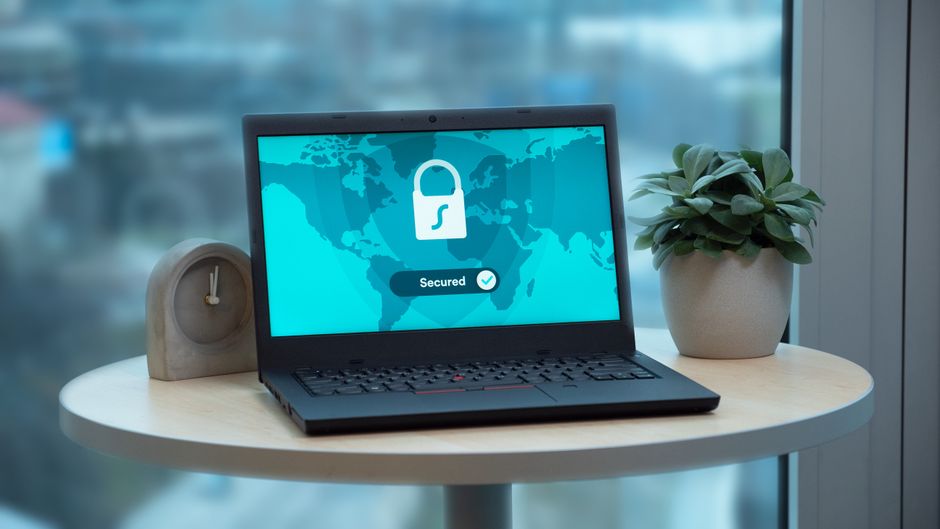
Ah, the age-old digital dilemma that has plagued countless evenings, turning excited anticipation of a global cinematic journey into a frustrating dance with a buffering wheel and a stern error message: "Whoops, something went wrong." You’ve been there, haven’t you? You fire up your trusty VPN, ready to dive into the vast, tantalizing ocean of international Netflix libraries, only to be met with that soul-crushing notification telling you, in no uncertain terms, that your VPN has been detected and blocked. It’s a moment that can make even the most seasoned streamer sigh in exasperation, feeling like a digital outlaw simply trying to watch a show unavailable in their region. This isn't just about accessing content; it's about the promise of an open internet, the freedom to choose, and the sheer joy of discovering new stories from around the globe without arbitrary digital borders dictating your viewing pleasure. The constant cat-and-mouse game between streaming giants like Netflix and the VPN providers fighting for digital freedom has escalated dramatically, making it increasingly difficult to find a reliable solution.
For years, using a Virtual Private Network to bypass geo-restrictions on streaming platforms was almost a given, a simple trick in every tech-savvy user's arsenal. But as Netflix invested heavily in sophisticated VPN detection technologies, those easy days faded into memory, replaced by a landscape of constant frustration for many. What was once a straightforward click of a button has become a quest for the holy grail of streaming: a VPN that genuinely, consistently, and reliably works with Netflix. The stakes are higher than ever, not just for the viewers who want to enjoy their subscriptions to the fullest, but for the VPN industry itself, which prides itself on offering unrestricted internet access. This isn't merely a minor inconvenience; it strikes at the core of digital sovereignty, challenging the very notion of what it means to have an internet connection in the 21st century. The sheer volume of disappointed users flooding forums and support channels with tales of woe underscores the urgency of this challenge, highlighting how deeply integrated streaming has become into our daily lives and how frustrating it is when that access is arbitrarily curtailed.
The Unyielding Battle for Your Digital Freedom
The relentless tug-of-war between Netflix and VPN providers is more than just a technical skirmish; it's a fundamental battle over content distribution and user autonomy in the digital age. Netflix, bound by complex and often restrictive licensing agreements with studios and production companies, is obligated to enforce geographical restrictions on its content. These agreements mean that a show available in the United States might not be licensed for viewing in Germany, or a film popular in Japan could be exclusive to that region. To maintain these agreements and avoid legal repercussions, Netflix employs a formidable array of detection methods designed to identify and block IP addresses associated with VPN services. This often involves monitoring for a large number of connections originating from a single IP address, identifying known VPN server IP ranges, or even using deep packet inspection to detect VPN traffic patterns, creating a sophisticated digital dragnet that catches most conventional VPN connections in its intricate weave.
On the other side of this digital fence are the VPN providers, champions of online privacy and unrestricted access, who view these geo-blocks as a violation of the open internet principle. Their mission is to provide users with secure, private pathways through the internet, allowing them to bypass censorship, protect their data, and, yes, access content from anywhere in the world. This means constantly innovating, developing new technologies like obfuscated servers, rotating IP addresses, and custom protocols to circumvent Netflix's ever-evolving detection systems. It's a high-stakes game of cat and mouse where the technology on both sides is constantly being refined and updated, leading to a dynamic and often unpredictable situation for the end-user. The financial implications for both sides are enormous; Netflix needs to protect its licensing deals, which cost billions, while VPN providers need to deliver on their promise of unblocking streaming services to retain their subscriber base, making this a truly existential struggle in the digital realm.
Unmasking Netflix's VPN Detection Arsenal
Netflix's methods for detecting and blocking VPNs are incredibly sophisticated and have evolved significantly over the years, moving far beyond simple IP blacklisting. Initially, it might have been enough for Netflix to simply compile a list of known VPN server IP addresses and block them. However, as VPNs grew more popular and adept at acquiring new IP ranges, Netflix upped its game. One common tactic involves monitoring for an unusually high number of connections originating from a single IP address. If thousands of users suddenly appear to be streaming Netflix from the same IP, it’s a dead giveaway that this IP belongs to a VPN server, not a residential user. This behavioral analysis is a powerful tool in their arsenal, allowing them to identify patterns that betray VPN usage even if the IP address itself isn't on a known blacklist.
Furthermore, Netflix often employs deep packet inspection (DPI), a technology that examines the data packets themselves rather than just their origin or destination. DPI can sometimes identify the unique signatures or protocols associated with VPN traffic, even when the traffic is encrypted. This means that even if a VPN tries to hide its server's true location or identity, the way the data is packaged and transmitted can still give it away. Another subtle but effective method involves DNS (Domain Name System) leaks. A VPN is supposed to route all your internet traffic, including DNS requests, through its secure tunnel. If your device inadvertently sends a DNS request directly to your ISP's server, Netflix can see that your DNS server's location doesn't match your VPN-assigned IP address, immediately flagging it as a VPN connection. These layered detection techniques make it incredibly challenging for most VPNs to consistently bypass Netflix's defenses, turning the quest for a working solution into a true technological challenge.