Having navigated the murky waters of how your data is collected and by whom, it’s time to equip ourselves with the essential tools and cultivate the right mindset to fortify our digital borders. Thinking about online privacy solely in terms of deletion is like trying to bail out a leaky boat without patching the holes; you need to stop the inflow of data as much as you need to clear out the existing archives. This means adopting a proactive approach, integrating privacy-enhancing technologies into your daily routine, and fundamentally altering your relationship with the internet. It’s about building a robust defense, layer by layer, against the constant onslaught of trackers, data brokers, and surveillance mechanisms that seek to categorize and monetize your every digital move. This isn't a one-time fix but a continuous process of adaptation and vigilance.
This section will delve into the practical applications of various privacy tools, explaining not just what they are, but how they work and, crucially, how to integrate them effectively into your digital life. We’ll explore the foundational role of Virtual Private Networks, the importance of choosing privacy-respecting browsers and search engines, and the critical need for secure communication channels. Furthermore, we’ll discuss the often-overlooked but absolutely vital aspects of password hygiene and multi-factor authentication, which form the bedrock of personal cybersecurity. My aim here is to provide you with actionable knowledge and empower you to make informed choices that significantly reduce your digital footprint and enhance your overall online anonymity, transforming you from a passive data subject into an active guardian of your personal information.
The Power of a Virtual Private Network Your First Line of Defense
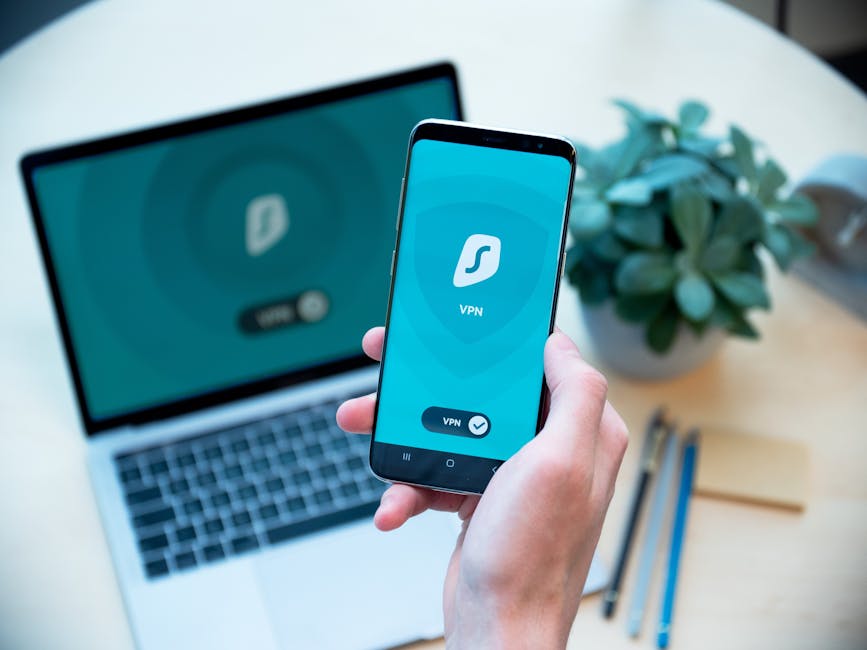
If you're serious about taking control of your online privacy and reducing your digital footprint, a Virtual Private Network, or VPN, should be your very first port of call. Think of a VPN as a secure, encrypted tunnel through the internet. When you connect to a VPN server, your internet traffic is routed through this tunnel, encrypting all the data that passes through it. This means that your Internet Service Provider (ISP), government agencies, and even potential hackers on public Wi-Fi networks can no longer see what you're doing online – what websites you visit, what files you download, or what services you use. It's like putting on an invisibility cloak for your internet activity, making it vastly more difficult for anyone to monitor your online presence and build a profile based on your browsing habits. This foundational layer of encryption is absolutely critical in today's surveillance-heavy digital landscape.
Beyond encryption, a key benefit of a VPN is IP address masking. Every device connected to the internet has a unique Internet Protocol (IP) address, which can reveal your geographical location and identify your network. When you connect to a VPN, your actual IP address is replaced with the IP address of the VPN server. This means that websites and online services you visit will only see the VPN server's IP address, effectively hiding your real location and making it much harder to trace your online activities back to you. For instance, if you're in New York but connect to a VPN server in London, websites will perceive you as browsing from London. This not only enhances your anonymity but also allows you to bypass geo-restrictions, accessing content or services that might otherwise be unavailable in your actual physical location. It’s a powerful tool for both privacy and freedom online.
Choosing the right VPN is paramount, as not all services are created equal. You need to look for a reputable provider with a strict "no-logs" policy, meaning they do not record your online activities. Independent audits verifying these claims are a huge plus. Strong encryption standards (like AES-256), a wide network of servers, and reliable customer support are also essential. While free VPNs might seem tempting, they often come with significant privacy trade-offs, sometimes selling user data or having weaker security protocols, effectively defeating the purpose of using a VPN in the first place. Investing in a trusted, paid VPN service is a relatively small price to pay for a significant boost in your online privacy and security. It empowers you to browse, stream, and communicate with a much greater degree of confidence that your digital footprint is being minimized and your personal information remains your own.
Browsing Beyond the Beaten Path Embracing Privacy-Focused Ecosystems
Your choice of web browser is another critical component in fortifying your digital defenses. Mainstream browsers like Google Chrome, while popular, are deeply integrated into advertising ecosystems and often come with extensive tracking capabilities enabled by default. To truly minimize your digital footprint, you need to move beyond these data-hungry giants and embrace browsers specifically designed with privacy in mind. Browsers like Brave, Firefox (with hardened settings), and Tor Browser offer significant advantages by blocking ads, trackers, and fingerprinting scripts by default, thereby reducing the amount of data you passively leak during your everyday browsing activities. This proactive blocking prevents countless third parties from building profiles of your interests and behaviors, making your online journey far more anonymous.
Let's consider a few excellent alternatives. Brave Browser, for example, is built on Chromium (the same engine as Chrome) but comes with an integrated ad and tracker blocker that works out of the box, often speeding up page load times in the process. It also offers a unique rewards system that allows you to earn Basic Attention Tokens (BAT) for viewing privacy-respecting ads, or you can choose to block all ads entirely. Mozilla Firefox, particularly when configured with enhanced tracking protection and additional privacy-focused extensions, offers a highly customizable and secure browsing experience. Its commitment to open-source development and user privacy makes it a strong contender. For those seeking the highest level of anonymity, the Tor Browser is the gold standard, routing your traffic through a worldwide network of relays to obscure your location and identity, making it extremely difficult to trace your internet activity back to you. While slower, Tor is invaluable for sensitive browsing or accessing content that requires extreme privacy.
Beyond the browser itself, your choice of search engine significantly impacts your privacy. Google, while incredibly powerful, logs your searches, tracks your location, and uses this data to personalize results and target ads. Switching to privacy-focused search engines like DuckDuckGo or Startpage is a simple yet effective step. DuckDuckGo prides itself on not tracking its users and not collecting personal information, offering a clean, unbiased search experience. Startpage goes a step further by providing Google search results anonymously, effectively acting as a proxy to Google's powerful search engine while stripping away all tracking elements. By combining a privacy-focused browser with a privacy-respecting search engine, you create a robust browsing ecosystem that significantly reduces your exposure to pervasive tracking, ensuring that your queries and browsing habits remain your own, not fodder for corporate data mines.
Email Anonymity and Secure Communication Reclaiming Your Digital Conversations
Email, for many of us, is the central hub of our digital lives, linking countless accounts and serving as a primary channel for communication. Yet, traditional email services like Gmail, Outlook, or Yahoo often come with significant privacy trade-offs. These services typically scan your emails for keywords to serve targeted ads, and their servers are often subject to government requests for data. To truly fortify your digital borders, you need to embrace email providers that prioritize privacy and secure communication. Services like ProtonMail and Tutanota offer end-to-end encryption, meaning that your emails are encrypted on your device before they even leave your computer and remain encrypted until they reach the recipient's device, making them unreadable to anyone in between, including the email provider itself. This level of security is crucial for sensitive communications and for minimizing your traceable footprint.
Using an anonymous email alias is another powerful strategy for reducing your digital footprint. Instead of giving out your primary email address for every online service, newsletter, or forum, you can use a unique alias. Services like SimpleLogin or AnonAddy allow you to generate multiple email aliases that forward messages to your real inbox. If an alias starts receiving spam or is involved in a data breach, you can simply deactivate that specific alias without compromising your main email address. This compartmentalization prevents your primary email from becoming a single point of failure and makes it much harder for data brokers to link disparate online activities back to your core identity. It's a simple yet effective way to manage your digital identity and prevent the proliferation of your most central online identifier.
Beyond email, securing your instant messaging and voice calls is equally important. Mainstream messaging apps like WhatsApp, while offering end-to-end encryption by default, are owned by Meta (Facebook), raising concerns about metadata collection and data sharing with the parent company. For truly private communications, apps like Signal are highly recommended. Signal uses robust end-to-end encryption for all messages, calls, and media, and critically, it collects minimal metadata, meaning it knows very little about who you're talking to or when. Its open-source nature allows for independent security audits, fostering trust in its privacy claims. By shifting your primary communication channels to these privacy-focused alternatives, you ensure that your conversations remain private and your communication patterns don't contribute to the vast data profiles being built by tech giants. It’s a conscious decision to choose privacy over convenience, a choice that significantly impacts your overall digital anonymity.