Building Your Digital Fortress and Sharpening Your Instincts
The evolving landscape of phishing scams, with its AI-powered deceptions and masterful psychological manipulations, demands more than just a casual awareness; it requires a fundamental shift in our digital habits and a proactive approach to cybersecurity. We can no longer rely solely on technology to protect us, nor can we assume that our past experiences with clumsy scams will prepare us for the sophisticated threats of today. Building a robust digital fortress isn't just about installing software; it's about cultivating a skeptical mindset, sharpening our observational skills, and consistently applying best practices in every online interaction. It's a continuous learning process, much like training for a marathon, where consistent effort and adaptation are key to endurance and success in the face of ever-increasing challenges.
The most crucial defense you can cultivate is an unwavering sense of skepticism. Adopt a "verify, then trust" mentality for every unsolicited communication, especially those that demand urgency, appeal to strong emotions, or request sensitive information. Treat every link, every attachment, and every unexpected request with suspicion, regardless of who it appears to be from. Remember, attackers excel at impersonation. If an email or message seems even slightly off – an unusual tone, an unexpected request, or a subtle deviation from normal communication patterns – take a moment to pause. Never act immediately under pressure. This mental discipline is the first and most powerful line of defense against social engineering. It's about retraining your brain to question rather than to comply, to analyze rather than to react impulsively, giving yourself the critical seconds needed to spot the red flags that an attacker hopes you'll overlook.
Mastering the art of email and message inspection is paramount. Before clicking any link or opening any attachment, scrutinize the sender's email address – not just the display name. Hover your mouse over the sender's name to reveal the full email address; look for subtle misspellings, unusual domains, or discrepancies. For links, hover over them (without clicking!) to see the actual URL in the bottom-left corner of your browser or email client. Does it match the expected domain? Is there an extra character, a dash, or a different top-level domain? Be wary of shortened URLs, which can obscure their true destination. Additionally, pay close attention to the content itself: poor grammar, awkward phrasing, generic greetings when a personalized one is expected, or unusual requests are still red flags, even in the age of AI. If the message claims to be from a company you deal with, consider logging directly into their official website or app (by typing the URL yourself, not clicking a link) to check for alerts or messages, rather than relying on the email.
Leveraging Technology Wisely and Securing Your Digital Footprint
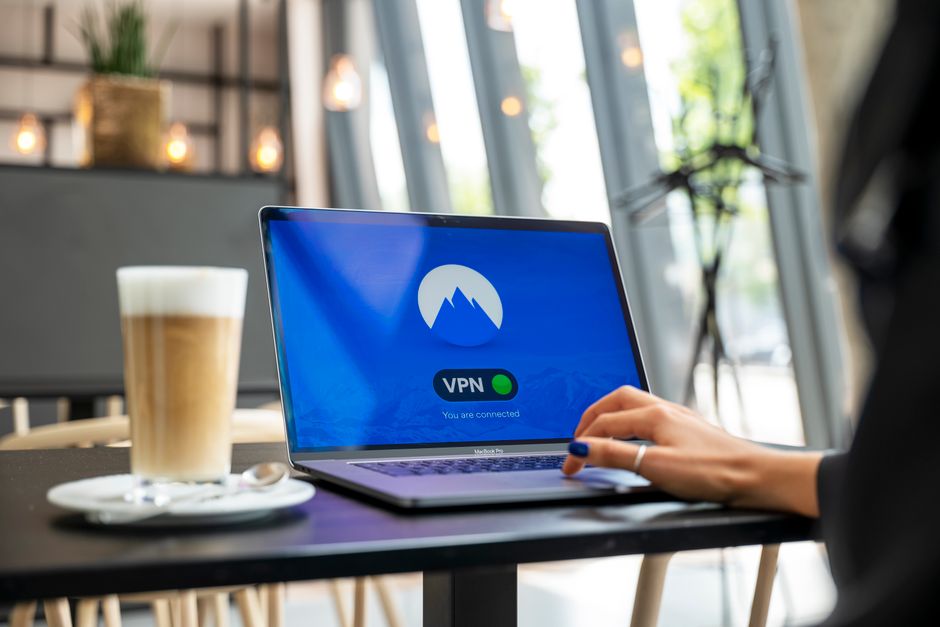
While human vigilance is critical, technology plays a vital supporting role. Implement Multi-Factor Authentication (MFA) on every account that offers it – email, banking, social media, cloud services. While MFA isn't foolproof against advanced AiTM attacks, it significantly raises the bar for attackers, making it much harder for them to gain unauthorized access with just a stolen password. Use strong, unique passwords for every single online account, preferably generated and stored by a reputable password manager. This eliminates password reuse, a common vulnerability. Invest in and regularly update comprehensive antivirus and anti-malware software on all your devices. These tools can detect and block malicious files and websites, even if you accidentally click a bad link. Consider using a Virtual Private Network (VPN) for all your internet activity, especially on public Wi-Fi, as it encrypts your traffic and adds a layer of privacy and security against certain types of interception.
Browser security best practices are often overlooked but are incredibly effective. Keep your web browser and all its extensions updated to the latest versions. Browser updates often include critical security patches that protect against known vulnerabilities. Be selective about browser extensions; only install those from trusted sources and regularly review their permissions. Consider using privacy-focused browsers or extensions that block trackers and malicious scripts. Regularly clear your browser's cache and cookies. For critical logins, especially for banking or financial services, consider using a dedicated, clean browser profile or even a separate browser to minimize the risk of malicious extensions or cached data being compromised. It's about creating a segmented and hardened environment for your most sensitive online activities.
"The best defense against sophisticated phishing isn't just technology; it's a combination of educated users, robust processes, and a healthy dose of paranoia. Assume everything is a threat until proven otherwise." - James O'Connell, Cybersecurity Educator
Beyond active defenses, maintaining good digital hygiene is non-negotiable. Regularly update your operating systems and all software applications. These updates often contain crucial security patches that close vulnerabilities exploited by attackers. Be mindful of what you share online; every piece of information you post on social media, from your pet's name to your vacation plans, can be used by social engineers to craft more convincing attacks. Limit the amount of personal information visible on public profiles. Understand that companies, banks, and government agencies will rarely, if ever, ask for sensitive information like passwords, credit card numbers, or Social Security numbers via email or text message. If in doubt, always contact the organization directly using a verified phone number or their official website, not through contact details provided in the suspicious message. Finally, report suspicious emails and messages to your IT department (if applicable) or to relevant authorities; your report could help protect others and contribute to tracking down these malicious actors, making the digital world a safer place for everyone. Continuous learning about new scam tactics is also vital, as the threat landscape is ever-changing, making proactive education an indispensable tool in your personal cybersecurity arsenal. Stay curious, stay skeptical, and stay secure.