Imagine your smartphone, that sleek, indispensable device you clutch almost every waking moment, quietly broadcasting your every move, every whispered conversation, every intimate photo to an unseen audience. It's not the plot of a dystopian thriller; it's a stark reality for millions who haven't taken a moment to truly understand and manage their device's privacy settings. For over a decade, I’ve been immersed in the shadowy corners of cybersecurity, witnessing firsthand how the digital threads of our lives are meticulously collected, analyzed, and often monetaged by entities both benign and malicious. Your phone, far from being a private sanctuary, can easily become a digital open house, inviting data brokers, advertisers, and even opportunistic hackers to rummage through your most personal information. This isn't about paranoia; it's about practical self-defense in an increasingly data-hungry world, where the line between convenience and pervasive surveillance has become perilously thin.
The sheer volume of personal data residing on our phones is staggering. Think about it: your contacts, messages, photos, videos, browsing history, precise location data, health metrics, financial apps, and even recordings of your voice commands. Each piece of this digital mosaic paints an incredibly detailed picture of who you are, what you do, where you go, and even what you aspire to. Many of us, myself included, initially embraced the convenience of apps and services without fully grasping the Faustian bargain we were making—exchanging invaluable privacy for a seemingly free service. We tap "Allow" on permission requests without a second thought, assuming the app needs access to our camera for a photo editor or our location for a weather forecast, not realizing the broader implications of that unchecked consent. This casual disregard for our digital boundaries has created a fertile ground for privacy invasions, making us vulnerable to everything from targeted advertising that feels eerily personal to sophisticated phishing attacks leveraging our own data against us.
The urgency of this situation cannot be overstated. We live in an era where data breaches are practically daily news, where companies you've never heard of compile vast dossiers on individuals, and where nation-states engage in digital espionage that makes spy novels seem quaint. Your phone, designed to connect you to the world, can inadvertently become the weakest link in your personal security chain if its settings are left to their default, often permissive, configurations. These defaults are typically designed for maximum convenience and data collection, not for your ultimate privacy protection. They are a treasure trove for anyone looking to exploit your digital identity, whether for financial gain, social engineering, or even more nefarious purposes. The time to act is now, before a forgotten setting or an overlooked permission turns into a costly, reputation-damaging, or even dangerous privacy catastrophe. We're going to dive deep into five critical privacy settings that demand your immediate attention, transforming your phone from a potential liability into a fortified personal fortress.
Reining In Runaway App Permissions
One of the most insidious ways our phone’s privacy is eroded is through an often-overlooked aspect of app functionality: permissions. When you download a new app, whether it's a game, a social media platform, or a utility tool, it invariably asks for access to various parts of your phone. These requests might seem innocuous at first glance – "Allow access to your camera?" for a photo editing app makes perfect sense. But what about a flashlight app demanding access to your contacts, or a simple calculator wanting your precise location? This is where the red flags should be waving furiously. Apps frequently request more permissions than they genuinely need to function, creating backdoors for data collection that goes far beyond their stated purpose, often selling this data to third-party brokers without your explicit, informed consent.
Consider the sheer audacity of some of these requests. A seemingly harmless game might ask for microphone access, ostensibly for in-game voice chat. However, the potential for that microphone to listen in on your ambient conversations, even when the app isn't actively in use, is a chilling prospect. In 2018, a report from the New York Times highlighted how many apps were indeed listening to users' audio, often disguised as "diagnostic" or "analytics" data collection, which was then used to target ads. While app stores have tightened policies since then, the underlying capability remains, and less scrupulous developers or older app versions can still exploit these permissions. It's a stark reminder that once you grant access, you're essentially handing over control of a specific hardware component or data set to a piece of software whose ultimate intentions might not align with your privacy interests.
Beyond the microphone, think about your camera. Many apps, from social media to shopping, request camera access. While some uses are legitimate, an app with camera permission could, theoretically, snap photos or record video without your knowledge. Similarly, access to your contacts list is a goldmine for data brokers, allowing them to map social networks and build more comprehensive profiles. Your contacts aren't just names and numbers; they're often linked to email addresses, social media profiles, and other identifiers, creating a web of interconnected data points. Giving an app carte blanche to this information isn't just a risk to your privacy; it's a risk to the privacy of everyone in your address book, as their data can be scraped and uploaded to third-party servers without their consent. The potential for a single compromised app to expose not just your data, but that of your entire social circle, is a sobering thought, underscoring the ripple effect of lax permission management.
Taming Your Device's Location Tracking Habits
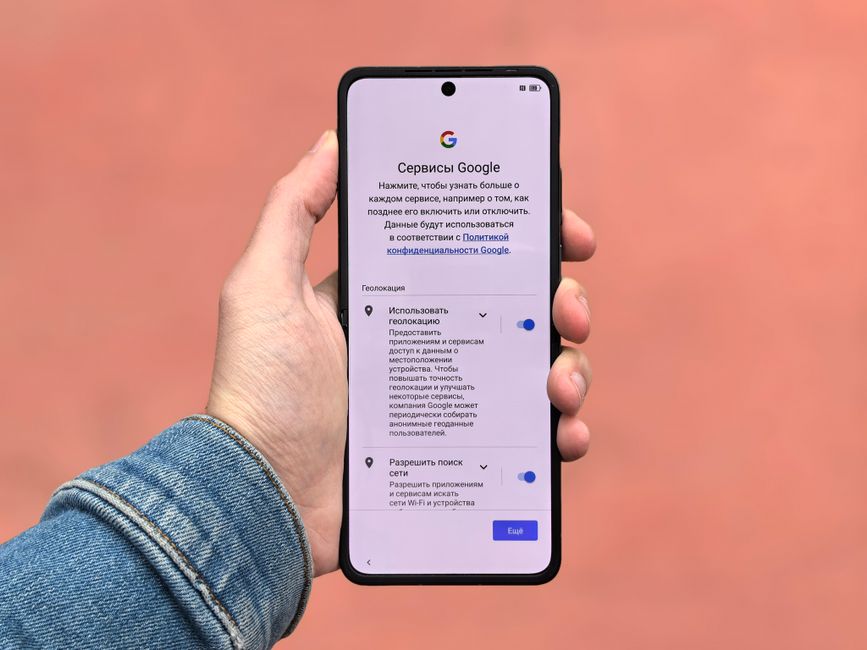
Our phones are incredibly powerful GPS devices, constantly aware of our precise geographical coordinates. While location services are undeniably convenient for navigation, finding nearby restaurants, or even for emergency services, the default settings often allow for an alarming level of persistent tracking that most users are completely unaware of. Many apps and even the operating system itself maintain a detailed history of your movements, logging every coffee shop visit, every commute, and every late-night run to the grocery store. This granular data, when aggregated, paints an incredibly intimate picture of your daily routine, your habits, and even your personal interests. It’s a digital breadcrumb trail that can be followed by anyone with access, from advertisers keen to understand your shopping patterns to less savory individuals with malicious intent.
The implications of this pervasive location tracking are far-reaching. Imagine a scenario where your insurance company uses your driving data, collected through a background app, to justify higher premiums, or where an employer subtly monitors your movements outside of work hours. The possibilities for misuse are vast and often extend beyond mere targeted advertising. We've seen numerous cases where location data, supposedly anonymized, has been de-anonymized and used to track individuals, sometimes with unsettling precision. A 2019 report by The New York Times, for instance, revealed how location data from over 12 million American smartphones was being collected and sold, allowing journalists to track individuals with alarming accuracy, even identifying public figures and their private residences. This isn't just about big tech companies; it's about a sprawling ecosystem of data brokers who trade in your location history as a commodity.
Furthermore, the concept of "precise location" versus "approximate location" is often overlooked. Many apps, by default, request access to your precise location, down to a few meters, even when an approximate location would suffice for their functionality. Do you really need a weather app to know your exact house number, or is knowing your general neighborhood enough? Granting precise location access to every app that asks creates an unnecessary vulnerability. This data can be correlated with other information, like public social media posts or even details from data breaches, to create a terrifyingly accurate profile of your life. The constant pinging of GPS, Wi-Fi, and cellular towers to pinpoint your location also has a tangible impact on your phone's battery life, a small price to pay perhaps, but one that highlights the constant, energy-intensive process of surveillance that often runs silently in the background, consuming not just your data, but your device's resources as well.