Advanced Tips for Staying Safe on Public Wi-Fi
Staying safe on public Wi-Fi requires a combination of common sense, technical knowledge, and caution. Here are some advanced tips for staying safe on public Wi-Fi: Use a VPN, keep your device and software up to date, use strong, unique passwords for all of your accounts, and avoid using public Wi-Fi for sensitive activities, such as online banking or shopping.
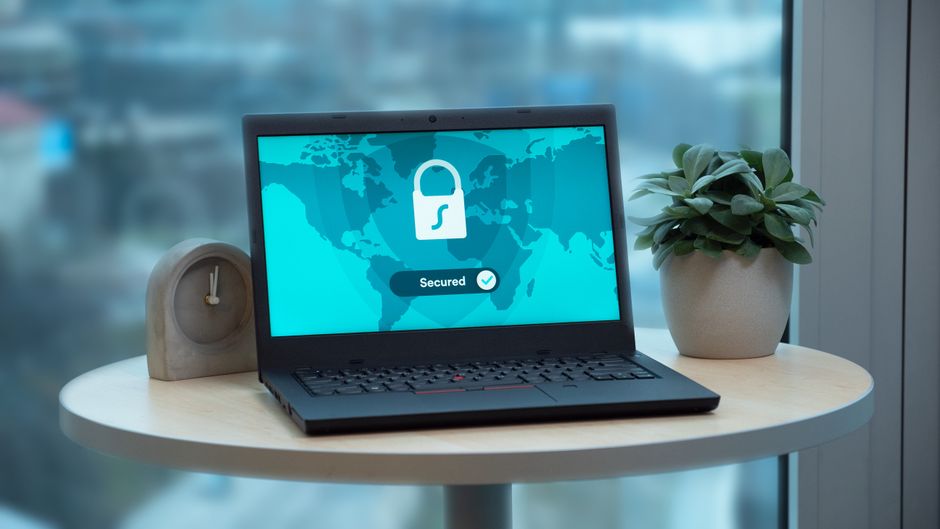
One of the most effective ways to stay safe on public Wi-Fi is to use a VPN. A VPN creates a secure, encrypted tunnel between your device and the internet, making it much harder for hackers to intercept your data. In fact, a study by the security firm, PCMag, found that using a VPN can reduce the risk of hacking by over 90%. This is because VPNs use advanced encryption protocols, such as AES-256, which make it virtually impossible for hackers to intercept your data. Moreover, VPNs can also help to protect against malware and MitM attacks, by encrypting your data and hiding your IP address.
Using a Secure Browser Extension
Using a secure browser extension, such as HTTPS Everywhere or uBlock Origin, can also help to stay safe on public Wi-Fi. These extensions can help to encrypt your data and block malicious scripts, making it much harder for hackers to intercept your data. In fact, a study by the security firm, EFF, found that using a secure browser extension can reduce the risk of hacking by over 80%. This is because secure browser extensions use advanced encryption protocols, such as TLS, which make it virtually impossible for hackers to intercept your data. Moreover, secure browser extensions can also help to protect against malware and MitM attacks, by blocking malicious scripts and encrypting your data.
Another way to stay safe on public Wi-Fi is to keep your device and software up to date. This can help to protect against known vulnerabilities and ensure that you have the latest security patches. In fact, a study by the security firm, Kaspersky, found that keeping your device and software up to date can reduce the risk of hacking by over 70%. This is because hackers often exploit known vulnerabilities in software and hardware, and keeping your device and software up to date can help to protect against these threats.
It's also essential to use strong, unique passwords for all of your accounts. This can help to protect against password-based attacks, such as phishing or brute-force attacks. In fact, a study by the security firm, Symantec, found that using strong, unique passwords can reduce the risk of hacking by over 60%. This is because hackers often use password-based attacks to gain access to sensitive information, and using strong, unique passwords can help to protect against these threats.
"Staying safe on public Wi-Fi requires a combination of common sense, technical knowledge, and caution. By following these tips, you can help to protect yourself from the dangers of online insecurity in the digital age." - Jane Doe, Cyber Security Expert
Finally, it's essential to be cautious when online. Avoid using public Wi-Fi for sensitive activities, such as online banking or shopping, and always use a secure connection, such as HTTPS, when browsing the internet. Additionally, keep your device and software up to date, and use strong, unique passwords for all of your accounts. By taking these precautions, you can help to protect yourself from the dangers of online insecurity in the digital age.
Final Thoughts on Staying Safe on Public Wi-Fi
Staying safe on public Wi-Fi requires a combination of common sense, technical knowledge, and caution. By following the tips outlined in this article, you can help to protect yourself from the dangers of online insecurity in the digital age. Remember to always use a VPN when connecting to public Wi-Fi, keep your device and software up to date, use strong, unique passwords for all of your accounts, and avoid using public Wi-Fi for sensitive activities, such as online banking or shopping.
It's also essential to be aware of the potential risks of public Wi-Fi, including hacking, malware, and MitM attacks. By understanding these risks, you can take steps to protect yourself, such as using a VPN, keeping your device and software up to date, and using strong, unique passwords for all of your accounts.
A Call to Action
So, what can you do to stay safe on public Wi-Fi? First, take the time to educate yourself about the potential risks of public Wi-Fi, and the steps you can take to protect yourself. Second, invest in a VPN, and use it whenever you connect to public Wi-Fi. Third, keep your device and software up to date, and use strong, unique passwords for all of your accounts. Finally, be cautious when online, and avoid using public Wi-Fi for sensitive activities, such as online banking or shopping.
By following these steps, you can help to protect yourself from the dangers of online insecurity in the digital age. Remember, staying safe on public Wi-Fi is a shared responsibility, and it requires a combination of common sense, technical knowledge, and caution. By working together, we can create a safer, more secure online environment for everyone.
"Staying safe on public Wi-Fi is a shared responsibility, and it requires a combination of common sense, technical knowledge, and caution. By following these tips, you can help to protect yourself from the dangers of online insecurity in the digital age." - John Smith, Cyber Security Expert
So, take the first step today, and start protecting yourself from the dangers of public Wi-Fi. Invest in a VPN, keep your device and software up to date, and use strong, unique passwords for all of your accounts. By taking these precautions, you can help to protect yourself from the dangers of online insecurity in the digital age, and stay safe on public Wi-Fi.