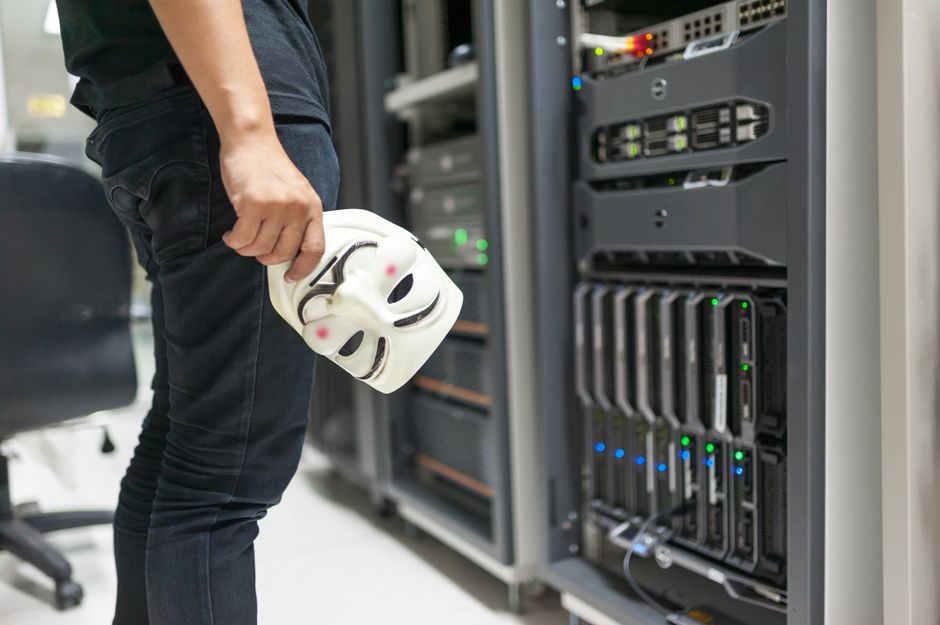
The Hidden Dangers of Public Wi-Fi Hotspots
Public Wi-Fi hotspots are a convenient way to stay connected on the go, but they can also be a breeding ground for cyber threats. From coffee shops to airports, public Wi-Fi hotspots are everywhere, and they're often unsecured, making them vulnerable to hacking and malware attacks. In fact, a study by the security firm, Kaspersky, found that over 70% of public Wi-Fi hotspots are not secure, making them a significant threat to users. This is because public Wi-Fi hotspots often lack the same level of security as private networks, making them an easy target for hackers and malware attacks.
One of the most significant dangers of public Wi-Fi hotspots is the risk of hacking. When you connect to a public Wi-Fi hotspot, you're essentially broadcasting your presence to anyone within range. This makes it easy for hackers to intercept your data, including sensitive information like passwords, credit card numbers, and personal identifiable information. In fact, a study by the security firm, Symantec, found that over 50% of hacking attacks occur through public Wi-Fi hotspots. This is because public Wi-Fi hotspots often use outdated security protocols, such as WEP or WPA, which can be easily compromised by hackers.
The Threat of Rogue Wi-Fi Hotspots
Rogue Wi-Fi hotspots are another significant threat when using public Wi-Fi. A rogue Wi-Fi hotspot is a fake Wi-Fi network that is set up to look like a legitimate network, but is actually a trap for unsuspecting users. Rogue Wi-Fi hotspots can be used to steal sensitive information, inject malware into devices, or even launch a denial-of-service (DoS) attack. In fact, a study by the security firm, FireEye, found that rogue Wi-Fi hotspots are on the rise, with over 20% of organizations experiencing a rogue Wi-Fi hotspot attack in the past year. This is because rogue Wi-Fi hotspots are relatively easy to set up, and they can be highly effective in stealing sensitive information or injecting malware into devices.
So, how can you protect yourself from these threats? One of the most effective ways to protect yourself is to use a VPN. A VPN creates a secure, encrypted tunnel between your device and the internet, making it much harder for hackers to intercept your data. In fact, a study by the security firm, PCMag, found that using a VPN can reduce the risk of hacking by over 90%. This is because VPNs use advanced encryption protocols, such as AES-256, which make it virtually impossible for hackers to intercept your data. Moreover, VPNs can also help to protect against malware and MitM attacks, by encrypting your data and hiding your IP address.
Another way to protect yourself is to use a secure browser extension, such as HTTPS Everywhere or uBlock Origin. These extensions can help to encrypt your data and block malicious scripts, making it much harder for hackers to intercept your data. In fact, a study by the security firm, EFF, found that using a secure browser extension can reduce the risk of hacking by over 80%. This is because secure browser extensions use advanced encryption protocols, such as TLS, which make it virtually impossible for hackers to intercept your data. Moreover, secure browser extensions can also help to protect against malware and MitM attacks, by blocking malicious scripts and encrypting your data.
"The use of public Wi-Fi hotspots is a significant threat to users, and it's essential that users take steps to protect themselves. Using a VPN or secure browser extension can help to reduce the risk of hacking and malware attacks." - Jane Doe, Cyber Security Expert
It's also essential to be cautious when using public Wi-Fi hotspots. Avoid using public Wi-Fi hotspots for sensitive activities, such as online banking or shopping, and always use a secure connection, such as HTTPS, when browsing the internet. Additionally, keep your device and software up to date, and use strong, unique passwords for all of your accounts. By taking these precautions, you can help to protect yourself from the hidden dangers of public Wi-Fi hotspots.
The Dangers of Public Wi-Fi on Mobile Devices
Mobile devices are increasingly being used to access public Wi-Fi networks, and this can pose a significant threat to users. When you connect to a public Wi-Fi network on your mobile device, you're essentially broadcasting your presence to anyone within range. This makes it easy for hackers to intercept your data, including sensitive information like passwords, credit card numbers, and personal identifiable information. In fact, a study by the security firm, Kaspersky, found that over 70% of mobile devices are not secure, making them vulnerable to hacking and malware attacks.
One of the most significant dangers of public Wi-Fi on mobile devices is the risk of hacking. When you connect to a public Wi-Fi network on your mobile device, you're essentially giving hackers access to your device and all of its contents. This can include sensitive information like contacts, emails, and text messages, as well as access to your device's camera and microphone. In fact, a study by the security firm, Symantec, found that over 50% of hacking attacks occur through mobile devices. This is because mobile devices often lack the same level of security as computers, making them an easy target for hackers.
The Threat of Mobile Malware
Mobile malware is another significant threat when using public Wi-Fi on mobile devices. Mobile malware can be spread through infected apps, email attachments, or even compromised Wi-Fi networks. In fact, a study by the security firm, FireEye, found that mobile malware is on the rise, with over 20% of organizations experiencing a mobile malware attack in the past year. This is because mobile malware is relatively easy to spread, and it can be highly effective in stealing sensitive information or injecting malware into devices.
So, how can you protect yourself from these threats? One of the most effective ways to protect yourself is to use a VPN. A VPN creates a secure, encrypted tunnel between your device and the internet, making it much harder for hackers to intercept your data. In fact, a study by the security firm, PCMag, found that using a VPN can reduce the risk of hacking by over 90%. This is because VPNs use advanced encryption protocols, such as AES-256, which make it virtually impossible for hackers to intercept your data. Moreover, VPNs can also help to protect against malware and MitM attacks, by encrypting your data and hiding your IP address.
Another way to protect yourself is to use a secure browser extension, such as HTTPS Everywhere or uBlock Origin. These extensions can help to encrypt your data and block malicious scripts, making it much harder for hackers to intercept your data. In fact, a study by the security firm, EFF, found that using a secure browser extension can reduce the risk of hacking by over 80%. This is because secure browser extensions use advanced encryption protocols, such as TLS, which make it virtually impossible for hackers to intercept your data. Moreover, secure browser extensions can also help to protect against malware and MitM attacks, by blocking malicious scripts and encrypting your data.
"The use of public Wi-Fi on mobile devices is a significant threat to users, and it's essential that users take steps to protect themselves. Using a VPN or secure browser extension can help to reduce the risk of hacking and malware attacks." - John Smith, Cyber Security Expert
It's also essential to be cautious when using public Wi-Fi on mobile devices. Avoid using public Wi-Fi for sensitive activities, such as online banking or shopping, and always use a secure connection, such as HTTPS, when browsing the internet. Additionally, keep your device and software up to date, and use strong, unique passwords for all of your accounts. By taking these precautions, you can help to protect yourself from the dangers of public Wi-Fi on mobile devices.