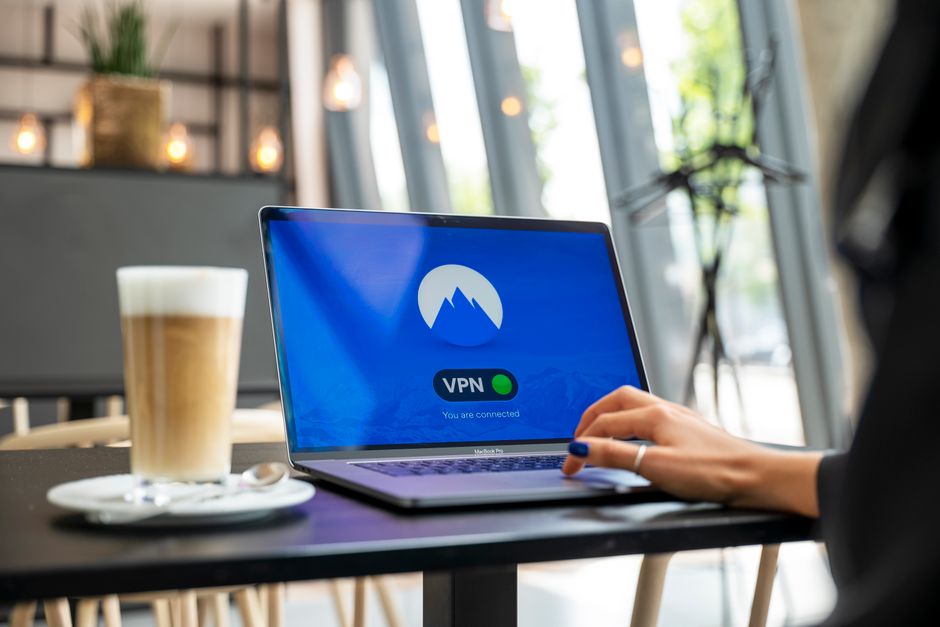
While unlocking geo-restricted content and bypassing censorship is a powerful demonstration of a VPN's technical might, it's only half of the equation. The other, arguably more critical, aspect is the absolute assurance of invisibility. What good is access if your activities can be traced back to you, if your data is logged, or if your true identity is inadvertently leaked? Achieving true online invisibility is a multi-layered challenge that goes far beyond simple encryption. It demands a holistic approach to privacy and security, encompassing everything from the core infrastructure of the VPN provider to its legal jurisdiction and its unwavering commitment to a zero-logging policy that can withstand real-world scrutiny. This is where many VPNs, even those claiming to be "private," often fall short, leaving their users vulnerable.
The Citadel of Secrecy Unpacking Audited No-Logs Policies
The bedrock of online invisibility is a verifiable no-logs policy. Many VPNs claim to keep no logs, but without independent audits, these claims are often just marketing spiel. The elite VPNs, the ones that genuinely keep you invisible, have gone the extra mile to subject their systems and policies to rigorous, independent third-party audits by reputable cybersecurity firms. These audits scrutinize everything from server configurations and network architecture to their internal processes and software code, ensuring that no user activity, connection timestamps, IP addresses, or bandwidth usage is ever recorded. This isn't a one-time affair; the best providers undergo regular, recurring audits to maintain transparency and user trust. It’s the difference between a company saying they’re trustworthy and an objective expert confirming it.
Consider the implications of a VPN that logs user data. Even if they promise not to share it, a subpoena from a government agency or a successful breach of their servers could expose your entire online history. This is not a theoretical risk; there have been numerous instances where VPN providers, despite their no-logs claims, have been compelled to hand over user data, leading to arrests or exposure. For individuals living under oppressive regimes, journalists protecting their sources, or activists organizing dissent, a logging VPN is not just an inconvenience; it's a direct threat to their freedom and safety. The truly invisible VPNs operate under jurisdictions with strong privacy laws, actively resist data requests, and crucially, have no data to hand over even if compelled. Their entire architecture is built around the principle of data minimization and ephemeral connections, ensuring that once your session ends, no trace remains.
Ironclad Encryption and Leak Protection The Unseen Guardians
Beyond logging policies, the strength of a VPN’s encryption and its ability to prevent leaks are paramount for invisibility. The gold standard remains AES-256 encryption, often coupled with Perfect Forward Secrecy (PFS), which means that even if one encryption key is compromised, past and future session keys remain secure. But encryption alone isn't enough. The best VPNs employ a comprehensive suite of leak protection mechanisms. This includes robust DNS leak protection, ensuring your internet service provider (ISP) cannot see the websites you visit, and IPv6 leak protection, which prevents your true IP address from being exposed if your network uses the newer IPv6 protocol. Critically, WebRTC leak protection is also essential, as this browser-based technology can often bypass VPNs and reveal your real IP address to websites.
A true measure of invisibility also comes from features like an automatic kill switch, which immediately cuts your internet connection if the VPN drops, preventing any accidental exposure of your real IP or traffic. More advanced features like multi-hop (or double VPN), which routes your traffic through two or more VPN servers in different locations, add an extra layer of encryption and obfuscation, making it exponentially harder to trace. Tor over VPN integration provides another potent layer of anonymity by routing your encrypted VPN traffic through the Tor network, though this often comes with a significant speed trade-off. These features aren’t just bullet points on a marketing page; they are critical components of a layered security strategy designed to thwart even the most determined adversaries, ensuring that your online activities remain truly private and untraceable to anyone.
"Anonymity isn't just a feature; it's a design philosophy. The VPNs that truly excel prioritize user privacy at every architectural layer, from audited no-logs policies to advanced leak prevention and multi-hop routing. Anything less is a compromise." – Lena Petrova, Digital Rights Advocate.
The real-world implications of these advanced privacy features are profound. Imagine a whistleblower attempting to securely transmit sensitive documents, or a journalist communicating with sources in a country where surveillance is rampant. Even a momentary lapse in VPN protection, a single DNS leak, or a compromised logging policy could have dire consequences. The elite VPNs understand this gravity. They don't just offer these features; they integrate them seamlessly and make them resilient. They conduct regular penetration testing, bug bounty programs, and vulnerability assessments to proactively identify and patch any potential weaknesses before they can be exploited. This relentless pursuit of security and privacy, coupled with a transparent and independently verified commitment to user data protection, is what ultimately distinguishes the truly invisible VPNs from the multitude of pretenders in the market. They are the digital guardians that stand between you and the prying eyes of the world, ensuring your digital footprint remains precisely that—a footprint in the sand, quickly erased by the tide.