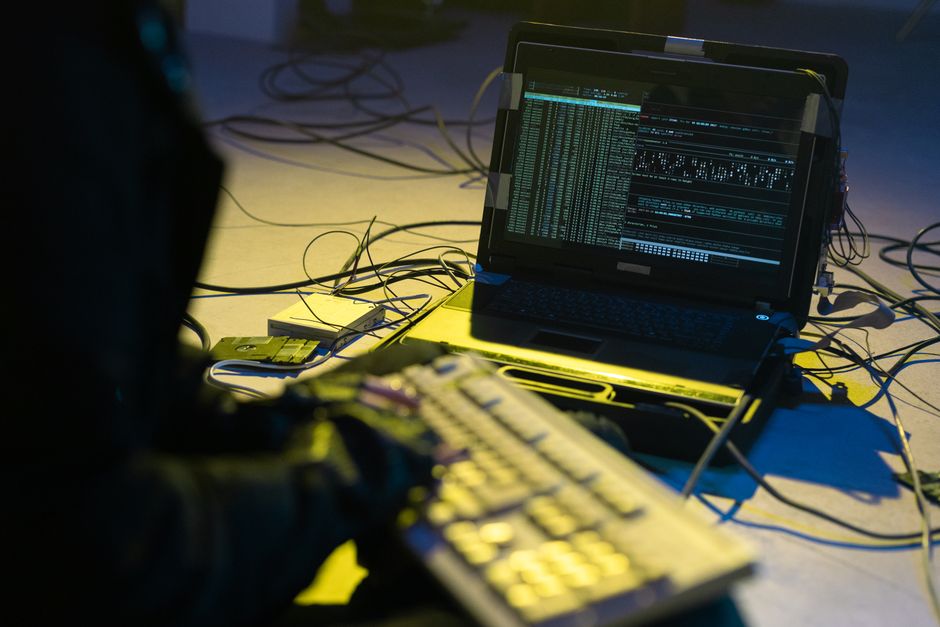
As the digital landscape evolves, so too do the tactics of malicious actors. If passwords become obsolete, attackers won't simply throw up their hands in despair; they will adapt, pivot, and innovate. This brings us to perhaps the most insidious threat posed by the widespread adoption of passwordless authentication: the evolution of social engineering. For decades, phishing has been the weapon of choice for credential theft, tricking users into revealing their usernames and passwords through deceptive emails, websites, and messages. But in a passwordless world, where there are no passwords to phish, the game changes entirely. Attackers won't be looking for your secret string of characters; they'll be looking to trick you into *approving their access* or *granting them control* over your trusted authentication device. This isn't merely a tweak to existing methods; it's a fundamental reimagining of digital deception, ushering in what I call "Social Engineering 2.0." The human element, that wonderfully fallible and perpetually exploited component of any security system, remains the weakest link, just with a new set of psychological levers to pull.
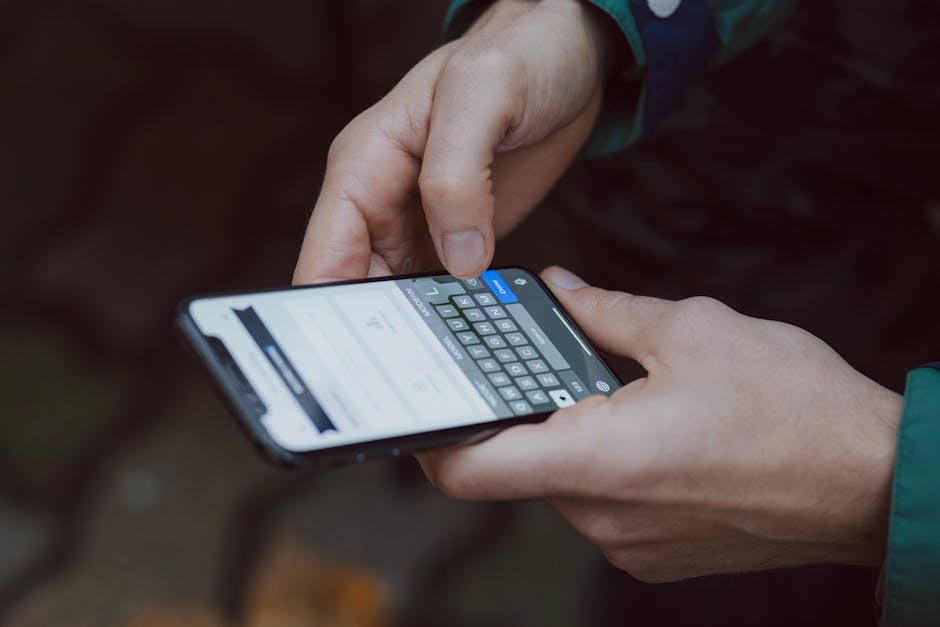
The beauty of passwordless systems, from a user experience standpoint, is their simplicity. A push notification on your phone asking, "Are you trying to log in?" with a simple 'Yes' or 'No' button. A quick facial scan. A tap of your finger. This very simplicity, however, can be weaponized. Attackers will no longer send you to a fake login page; instead, they might spam you with login requests, hoping you'll accidentally approve one in a moment of distraction. Or they might craft highly targeted messages that induce panic or urgency, prompting you to approve a request that seems legitimate but is, in fact, granting them access. The psychological manipulation remains the same, but the target shifts from eliciting a secret to eliciting an action. This subtle but profound change means that even the most technically robust passwordless system can be undermined by human error, fatigue, or sophisticated psychological manipulation. We're trading the risk of a leaked password for the risk of a misguided tap, and in many ways, the latter might be even harder to defend against because it exploits our trust in the very systems designed to protect us.
The New Art of Digital Deception – From Phishing for Secrets to Phishing for Approval
Imagine a scenario where you receive a text message, seemingly from your bank, stating there's unusual activity on your account and asking you to review it. Instead of a link to a fake login page, the message instructs you to "check your banking app for a security alert." Simultaneously, an attacker, having obtained your username (which is often public or easily discoverable), initiates a login attempt on your bank's website using a passwordless method. Your banking app then flashes a push notification: "Login attempt from an unrecognized device. Approve or Deny?" In a moment of stress, influenced by the text message, you might instinctively tap "Approve," believing you're confirming your own activity or resolving a security issue. Boom. The attacker is in. This is a classic example of how phishing tactics will evolve from credential harvesting to what's often called "push bombing" or "MFA fatigue attacks." The attacker isn't trying to steal your password; they're trying to trick you into *authenticating them*.
Another dangerous tactic involves exploiting the context surrounding passwordless authentication. Attackers might craft highly sophisticated spear-phishing campaigns that mimic legitimate IT support requests, asking users to "re-authenticate their device" or "update their security settings" by approving a push notification. The user, believing they are following legitimate instructions, grants access to the attacker. Furthermore, the sheer volume of push notifications for legitimate logins could lead to "approval fatigue." If users are constantly bombarded with "Approve login?" notifications, they might become desensitized and, out of habit or frustration, approve a malicious request without carefully reviewing its context. This is a well-documented phenomenon in human-computer interaction, and attackers are keenly aware of it. The convenience of a single tap, when combined with human psychological biases, becomes a significant vulnerability, turning the user into an unwitting accomplice in their own compromise.
The Human Element Remains the Weakest Link, Just in a Different Disguise
The core problem with social engineering, regardless of the authentication method, is that it targets human psychology rather than technical vulnerabilities. Passwordless systems, while technically robust against automated attacks, often still rely on a human decision point. And humans, bless our hearts, are notoriously susceptible to manipulation. We respond to urgency, authority, fear, and curiosity. Attackers will continue to exploit these fundamental human traits. Instead of crafting convincing fake login pages, they will craft convincing narratives that coerce or trick users into performing the desired authentication action. This could involve impersonating colleagues, IT support, family members, or even law enforcement, all designed to create a scenario where approving an authentication request seems like the logical, necessary, or even urgent thing to do.
Consider the rise of SIM swapping, a social engineering attack that has become increasingly prevalent. In a passwordless world, if your primary authenticator is tied to your phone number (e.g., for recovery or even as a primary login method), a SIM swap attack could be devastating. An attacker convinces your mobile carrier to transfer your phone number to a SIM card they control. Once they control your phone number, they can intercept SMS-based recovery codes or even use it to register new passwordless authenticators, effectively hijacking your digital identity without ever needing a password. This highlights how attackers will shift their focus to the weakest link in the *entire ecosystem*, which often involves human operators at service providers or the user's own lack of vigilance. The problem isn't the technology itself, but the broader human and operational context in which it operates. We are simply moving the goalposts for human error, not eliminating the human error itself.
"Social engineering doesn't die; it evolves. Passwordless just gives attackers a new set of buttons to push, literally and figuratively, to achieve their goals. The human mind remains the ultimate exploit." – Mark Rogers, Cybercrime Investigator.
To combat this evolving threat, we need to drastically improve user education and awareness. It's no longer enough to warn people about suspicious links; we need to teach them to critically evaluate every authentication request, to understand the context, and to question unsolicited prompts. Organizations must implement robust anti-phishing training that specifically addresses these new social engineering tactics, including simulating push bombing attacks and educating users on how to verify login requests. Furthermore, multi-factor authentication (even *with* passwordless systems) that requires more than a simple 'Yes' or 'No' – perhaps a confirmation code displayed on the login screen that must be entered into the device – can add a crucial layer of defense against accidental approvals. The promise of a passwordless future is alluring, but it demands an equally sophisticated and continuous effort to educate and empower users against the ever-adapting art of digital deception. Without this, the convenience of passwordless could inadvertently become a wide-open door for the next generation of highly targeted and psychologically manipulative cyberattacks.